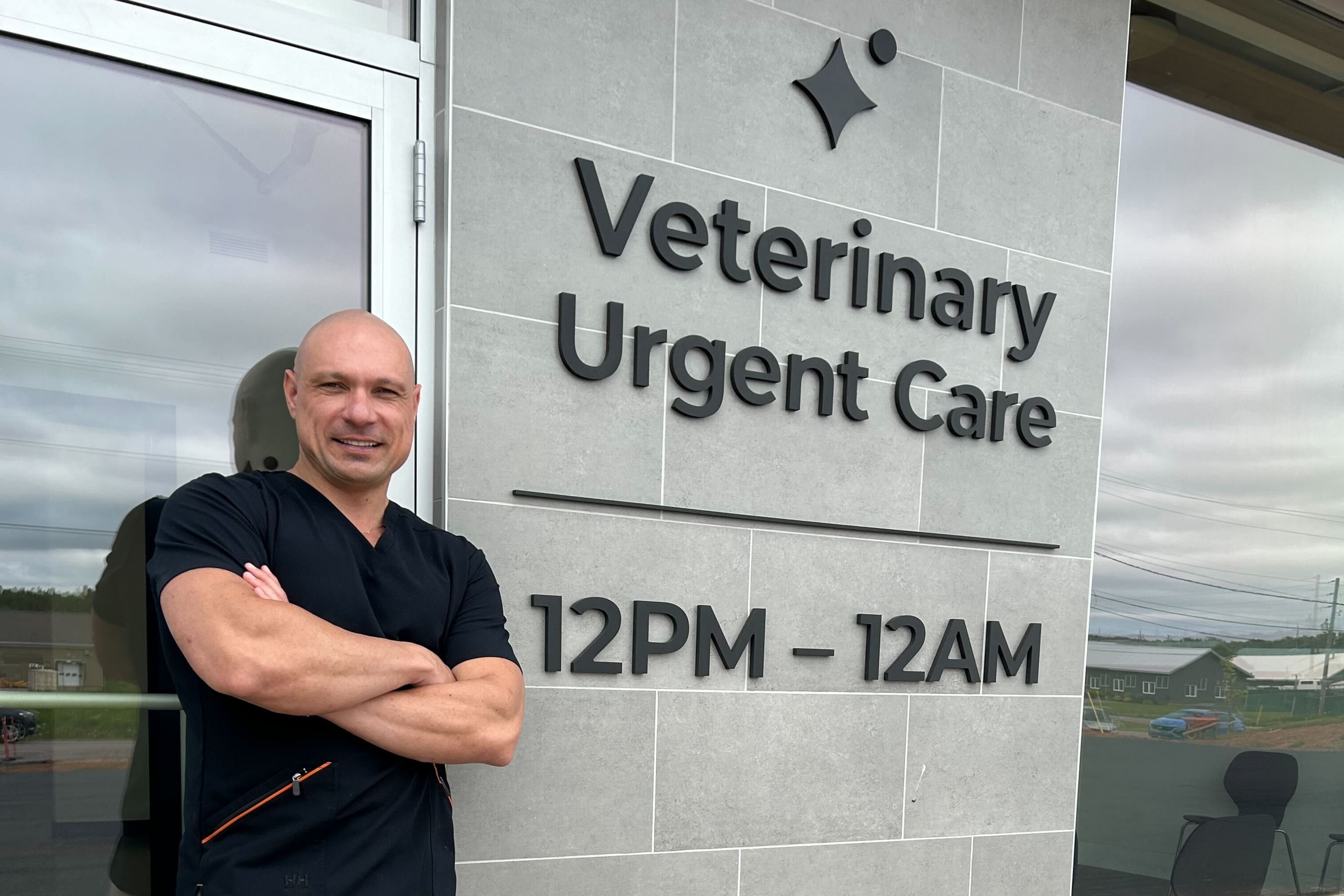
Ivan Zak | Co-Founder, Serenity Vet
After surviving burnout severe enough to nearly end his life, veterinarian Ivan Zak set out to fix the systems behind it. He bootstrapped SmartFlow and sold it to IDEXX, built the employee-owned group Galaxy Vets, and now co-leads Serenity Vet to tackle veterinary medicine's least-managed cost: labor. A candid conversation on burnout, ownership, private equity, and operational discipline.
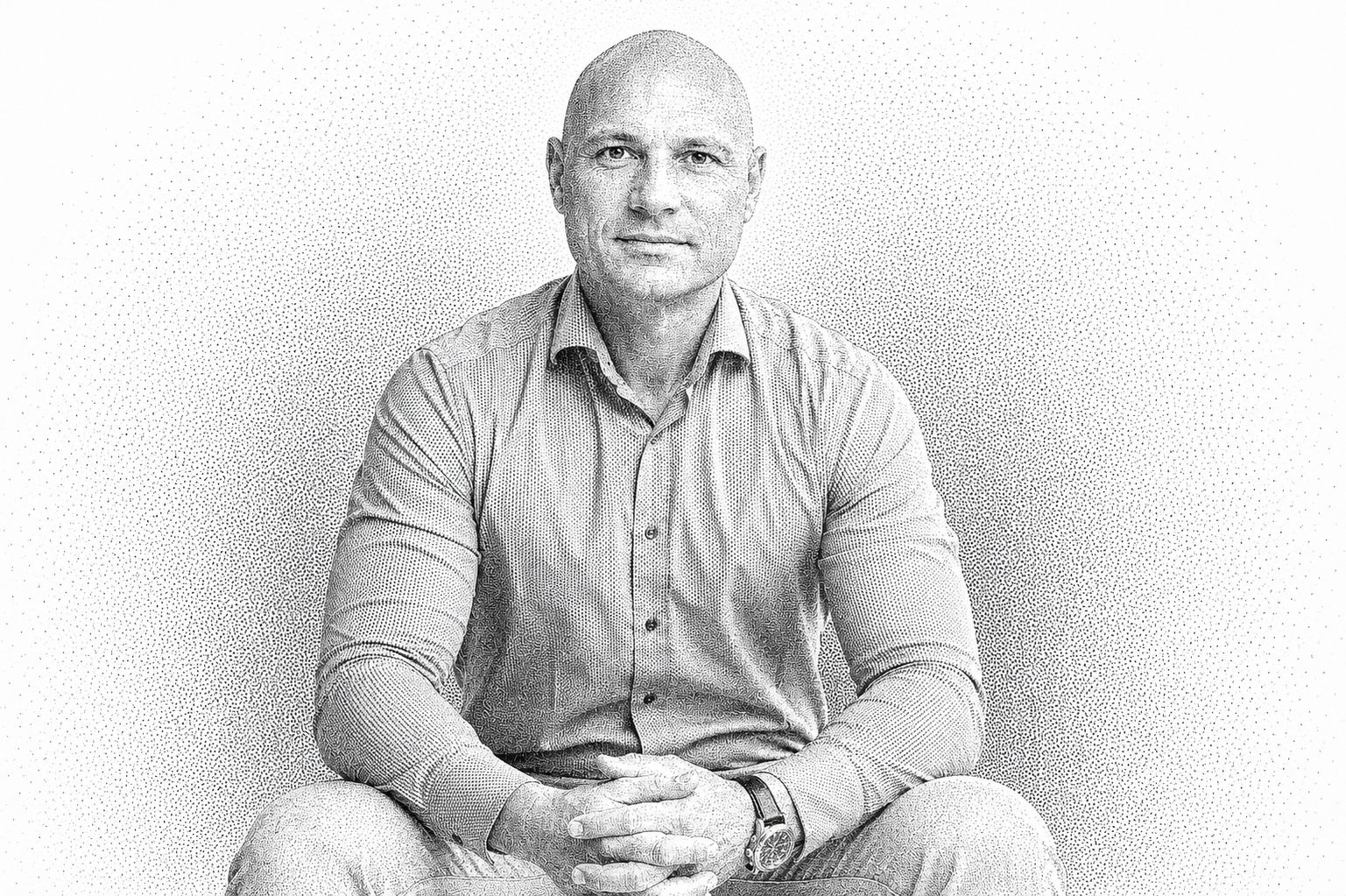
Ivan Zak, DVM, MBA, Founder of Galaxy Vets, Co-Founder of Serenity Vet
When Ivan Zak hit rock bottom, he thought the problem was himself. Years spent working emergency shifts as a relief veterinarian had left him exhausted, burned out, and questioning whether he could continue. What he eventually discovered was that the crisis wasn’t personal, it was systemic. That realization would shape the next decade of his career.
Today, Zak is one of the most influential operators in veterinary medicine. He bootstrapped SmartFlow from a frustrating workflow problem inside emergency hospitals and eventually sold it to IDEXX. He launched Galaxy Vets to test whether employee ownership could create healthier workplaces. And now, through Serenity Vet, he’s tackling one of the profession’s most persistent challenges: labor efficiency. In this conversation, Zak reflects on burnout, entrepreneurship, private equity, employee ownership, and why operational excellence, not acquisitions, may ultimately determine the future of veterinary medicine.
You survived burnout severe enough to attempt suicide, then turned it into a career mission. What made you run toward the problem instead of stepping back?
Finding a purpose and fully engaging in it.
Burnout can take away your joy. The things you used to love, even outside work, don’t feel fun anymore. For me, what helped was finding new happiness, a bigger goal that would excite me. That became looking for management solutions to burnout, and more specifically, solving inefficiencies in veterinary hospitals that were draining. I became curious about how to fix those systems, and that curiosity and sense of purpose gave me the energy to move forward.
You spent 12 years as a relief vet in emergency hospitals, the highest-stress corner of the profession. When did you stop seeing burnout as personal struggle and start seeing it as a management problem?
At first, I thought the problem was me. I felt like I was failing, and I was embarrassed to even talk about what I was going through. Then I started hearing other vets talking about burnout. Suddenly, the symptoms I was experiencing had a name, and I realized this wasn’t a personal weakness — it was a systemic issue affecting the profession.
You bootstrapped SmartFlow while still working clinical shifts, and it ended up being acquired by IDEXX. What problem were you solving?
A lot of innovation comes from frustration. In my case, SmartFlow came from exhaustion. On night shifts, I’d be in the doctor’s office doing medical records, but I had to keep running back and forth to grab treatment sheets from the cages. And the technicians would yell at you because you were stealing the charts. You do one at a time, negotiate, go back, fill it out, bring it back, take another one… just back and forth. I kept thinking, it would be so much easier if I could see the sheets without leaving the office.
All the pieces came together when I reconnected with my old friend Pavel, who was building software for restaurants that allowed waiters to put orders into an iPad, and the chef sees them on a big screen. I told him, why not do the same thing for treatments? Instead of food orders, I’d be sending treatment orders to the techs, and they’d see them on the big screen. That’s really how the idea came together.
What did building and selling SmartFlow teach you?
Grit.
At the time, we were basically broke. I had a newborn son, and we had just bought a house we couldn’t really afford. Pavel, my co-founder, was living in our basement. There were multiple times I had to tell the team to start looking for other jobs because we literally couldn’t make payroll. At one point, I had $700 total across personal and company accounts. It was a constant struggle.
I also learned a lot from Jon Ayers, who acquired SmartFlow at IDEXX. He always said that software products rarely end up as you plan. We actually talked recently about my new startup, Serenity Vet. I was sharing the four pillars of my vision, and he said he’s focusing only on the first two because steps three and four may never happen.
Success isn’t a brilliant idea executed perfectly; it’s the ability to keep going when things are hard, pivot when needed, and let the market guide you. That’s grit.
What was the idea behind Galaxy Vets, where did it come from, and why did you decide to build something so radically different from what already existed?
After leaving IDEXX, I wanted to keep building systems to tackle burnout in veterinary medicine. Consolidation seemed like the space where I could have the most impact at scale. I started Veterinary Integration Solutions and developed a proprietary operating framework for veterinary consolidators to help them grow sustainably while keeping the employee experience in mind. Having consulted dozens of consolidators, I realized I could put these ideas into practice myself, so I decided to build my own veterinary group using these frameworks.
Galaxy Vets was employee-owned from the start because I believe every team member should have a stake in the outcome. I saw employee ownership as a burnout prevention tool — it gives people a sense of control and investment in the work they do. Over time, I realized employee ownership doesn’t work well in the acquisition model, but it does work in new practices. So we pivoted to building de novo clinics. They are all employee-owned, and every team member — veterinarians, technicians, support staff — is a shareholder, with no upfront investment. That approach is still pretty unique in the space.
Galaxy Vets was the only ESOP consolidator in veterinary medicine — and then you walked away from the acquisition model altogether. What did that experience reveal about the limits of employee ownership inside a consolidation strategy?
The fundamental problem with consolidation is that when you acquire a hospital, you’re also acquiring a team — and that team didn’t choose you. They were sold, and sometimes they may not like it. Another challenge is how consolidators approach change. Some say they won’t change anything, but then they have to, and that breaks trust. Others promise big changes, but then employees leave. It makes improving acquired practices really difficult.
Culture is another major factor. Employee ownership was central to our model, but simply giving shares doesn’t create an owner mindset. We realized we didn’t want to be in the business of changing cultures. We wanted to build it intentionally from the ground up, so every new hire aligns with our core values from day one. That’s the only way employee ownership can truly work.
PE consolidation is reshaping veterinary medicine fast. You’ve been inside that world as both a consultant and a founder — where do you see it falling short, and how does that create the opening that Galaxy Vets is built to walk through?
The problem with PE consolidation is the same one I’ve been talking about for over ten years: private equity doesn’t know how to run the business at the clinic level. They know acquisitions, M&A, and recapitalization, but operational efficiency and excellence are rarely a focus. For years, the model was easy — borrow hundreds of millions, buy hundreds of clinics, and sell them to the next buyer. Operational improvements at the clinic level rarely happened.
Some efficiency gains were real (buying power could lower inventory costs, for example), but people management, workflows, and true operational profit generation didn’t exist. Now, the market has changed fundamentally. Most consolidators have reduced their M&A teams and are looking for operators who can actually make these clinics run efficiently. But many clinics were bought under the promise that nothing would change. Now the consolidators need to implement changes, and that’s where the friction is.
At Galaxy Vets, our hospitals are built from the ground up using an overarching playbook — the tech stack, processes, and workflows are all uniform. We also hire people from the start who share our mindset and values. Being independent and employee-owned allows us to design the organization intentionally, rather than trying to fix inherited systems.
Serenity Vet came out of a staffing problem inside Galaxy Vets. What was breaking down, and how does the marketplace plus subscription model solve what existing solutions couldn’t?
The problem that inspired Serenity Vet wasn’t just finding new relief veterinarians - it was managing the ones we already had relationships with. Even from my time as a relief vet, I remember spending hours sending invoices, finding shifts, booking, negotiating — all across multiple chats, emails, and texts. It was completely unorganized. At Galaxy Vets, as an employer, we saw the same thing: a lot of time is spent managing relief veterinarians, and that’s a real pain point.
Existing marketplaces don’t address this because their model is transactional. They charge a fee every time a clinic books a relief vet, which becomes expensive and unsustainable for clinics that use relief vets regularly. Serenity Vet flips that model. It’s a flat subscription, giving clinics a central place to manage all their relief veterinarians and control costs. We still offer classic matching for clinics looking for new vets, but after about five interactions, a vet becomes part of their network and stops generating transactional fees. It addresses a problem nobody else is tackling — optimizing management and the cost of your existing talent rather than just hunting for new hires.
You’ve said that labor is the least-optimized variable in veterinary operations. Can you explain why that is, and how you’re approaching solving it with Serenity Vet?
Labor is the single biggest lever that isn’t fully managed. It’s also the most expensive. Relief veterinarians are just one piece of that puzzle. When we built Serenity Vet, we approached it from the clinic perspective rather than the veterinarian perspective, because most marketplaces are supply-driven. They focus on making it easier for vets to find shifts, which makes sense in a tight market, but it doesn’t address whether hiring relief is actually good for the business.
There are industry reports saying, point blank, that clinics should minimize hiring relief veterinarians because they’re more expensive and less productive. On average, relief vets cost 26.9% of production compared with 22.3% for associates, while generating roughly 12% lower transaction revenue than practice owners and 2% lower than associates. The real problem, however, is that clinics don’t consistently measure performance or have visibility into this workforce, which makes it impossible to control costs effectively.
Right now, consolidators are focused on operational efficiency and margin expansion. The two levers that actually move the P&L are inventory and labor. Inventory is getting some attention — Emmitt Nantz, a friend and former SmartFlow COO, has built Inventory Ally to tackle that problem — but labor remains largely untouched. That’s why we’re approaching it strategically, and relief is only the first step.
You’re now an angel investor evaluating ideas in a space you know intimately. What’s the most common mistake veterinary founders make?
One is losing focus — trying to solve too many problems at once or split attention across multiple projects. Startups need a clear, singular mission, and founders should pour their energy into that.
Another big mistake is raising capital too early. I’ve seen founders host extravagant launch parties, fly their team to exotic locations, and treat early funding like earned money. I’ve made these mistakes myself, but it doesn’t help the business survive or scale. Early-stage capital should be treated strategically, not as a license to spend.
The way I look at it now, every day I ask myself one question: what can I do today to get closer to revenue? That focus, combined with a deep understanding of the problem, is what separates founders who build something meaningful from those who get distracted or overextend too soon.
You co-host a podcast, run multiple companies, work clinical shifts, and lead your local Ukrainian community. What does the personal engine run on - and has your own relationship with burnout changed now that you’ve built systems to prevent it in others?
I don’t like the idea of “work-life balance” because it implies work and life are separate things. For me, they aren’t. I don’t have hobbies outside of what I do - podcasting, building businesses, consulting entrepreneurs, optimizing operations with AI agents - these are my toys, and they’re what make me happy.
The key to being able to do all of this consistently is having a reliable partner. My wife is incredible. She supports everything I do, and she usually says, “As long as you’re happy.” That’s what makes it work.
Other Interviews
More conversations with founders, operators, and investors building the future of pet care.
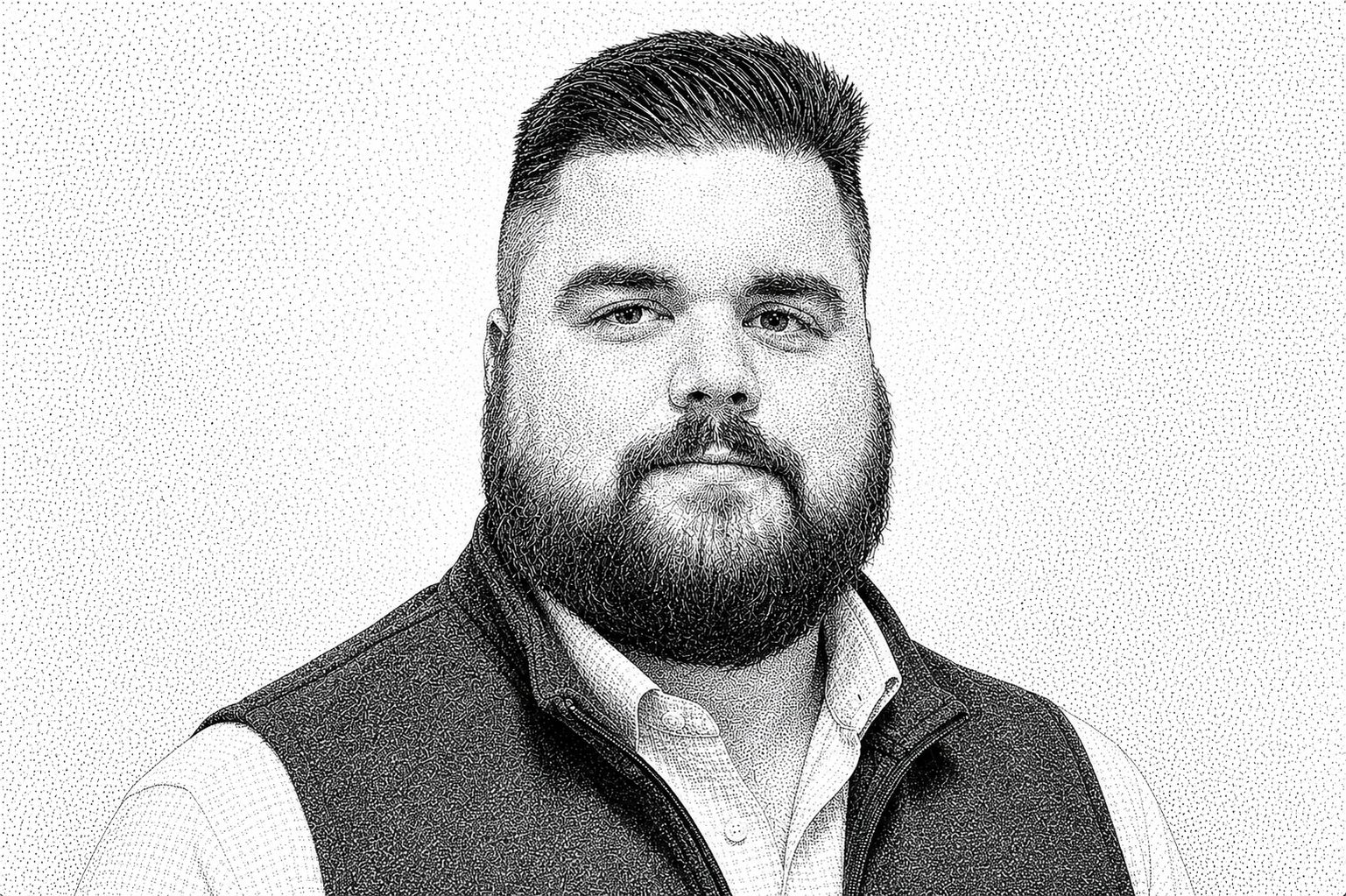
Joshua Fitzgerald | CEO, Zoomin Groomin
Joshua Fitzgerald lived Zoomin Groomin as a franchisee before running it. Now, past 300 mobile grooming vans, the CEO argues operational discipline beats flashy growth, walks through the metrics every franchisee should obsess over, and explains how the Loyalty Brands umbrella turns buying power and franchising experience into a competitive edge.
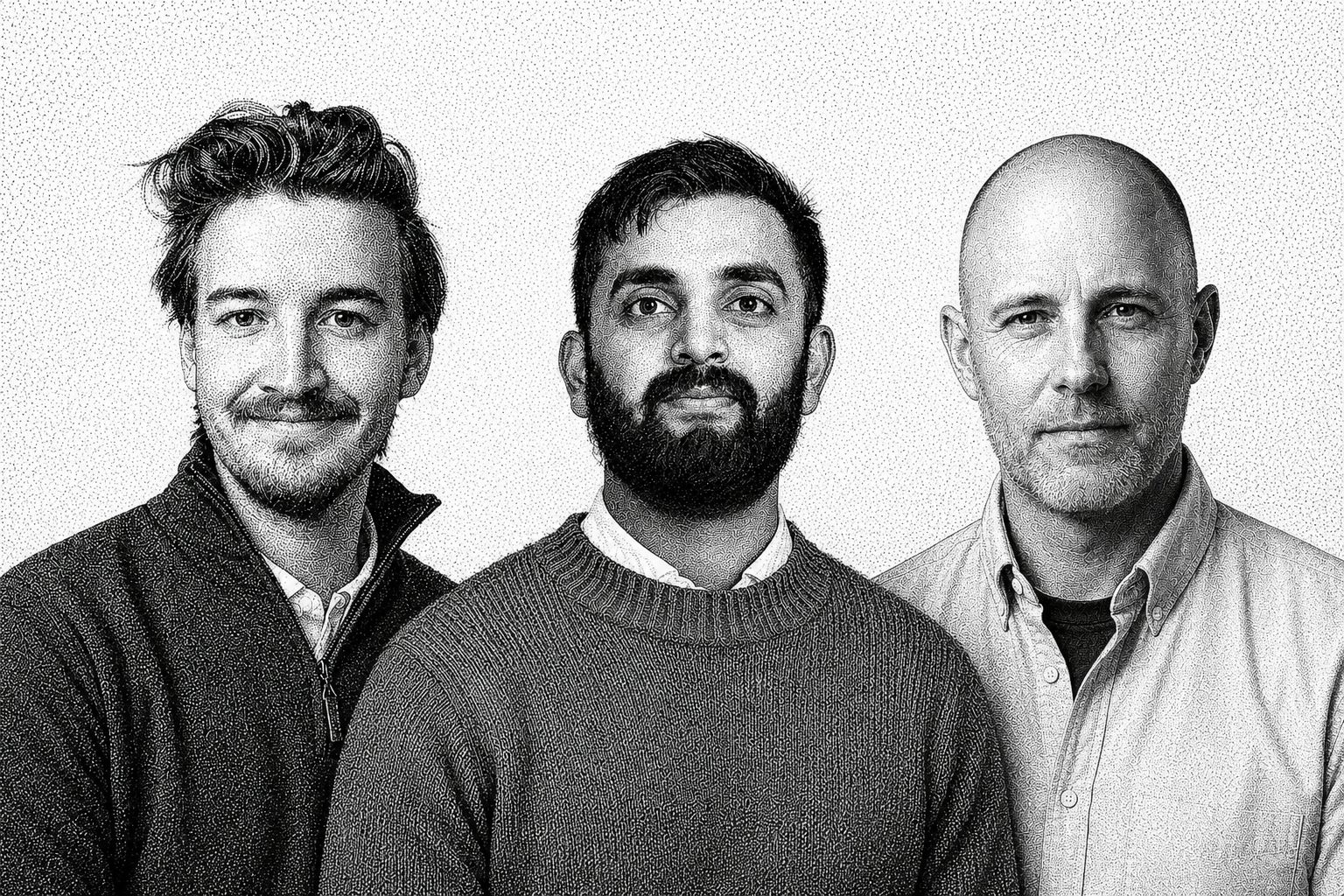
The New Frontier of Preventive Pet Care
Three founders building the early-detection layer of pet health sit down with The Underbite: Rhett Rumery of Tether (wearable pain monitoring for dogs), William von der Pahlem of DeepScan Diagnostics (cell-free DNA cancer screening), and Fayzan Chaudry of Everfur (metabolomics fur testing plus a pet health app). They explain why veterinary medicine stays reactive, how long disease hides before symptoms appear, and why continuous longitudinal monitoring could move pet-care spend earlier over the next decade.
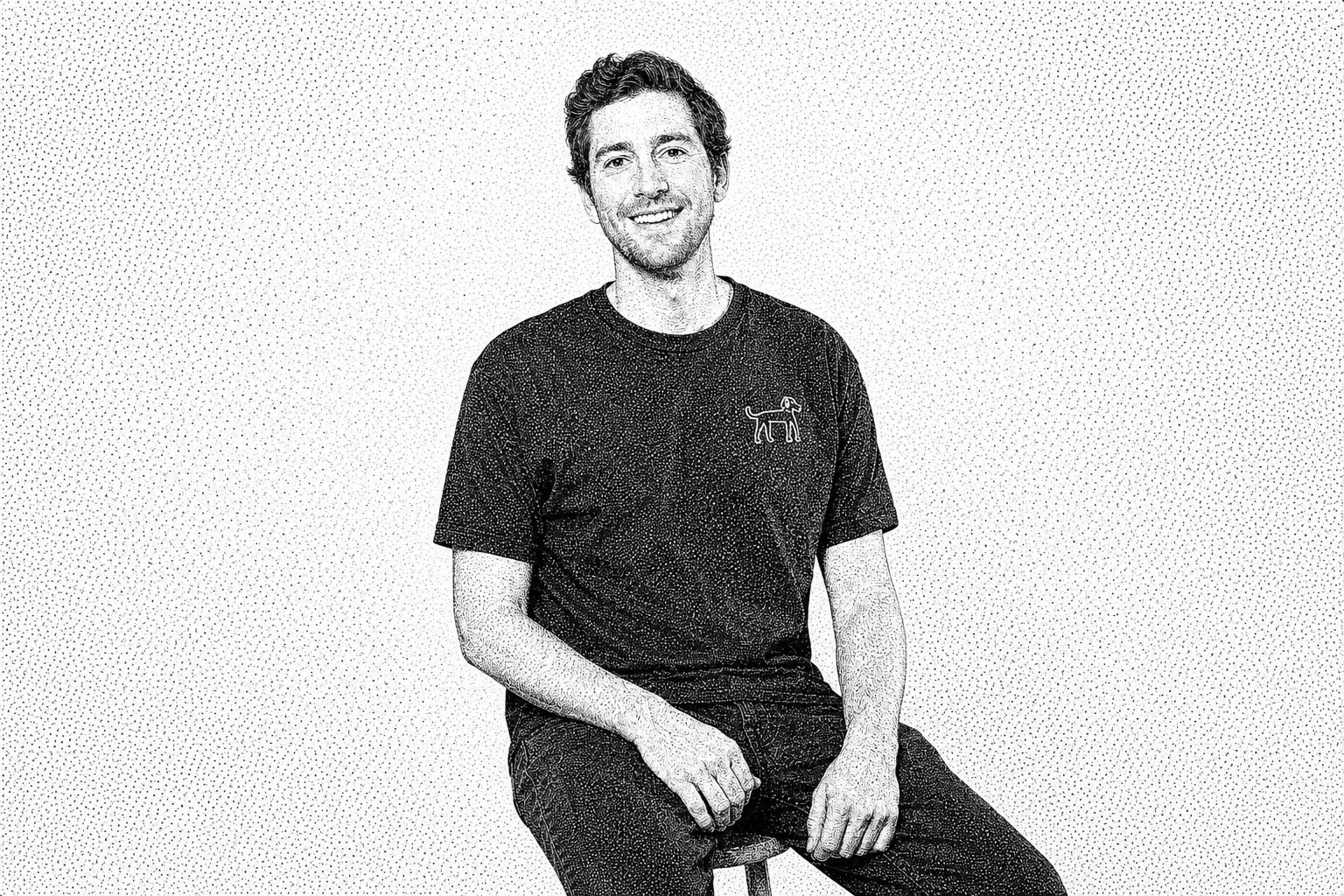
Dylan Munro | Co-Founder & COO, Spot & Tango
Spot & Tango grew from 12 boxes a week to 200 million meals served and an estimated $130M in revenue — 95% subscription, zero retail. Co-founder and COO Dylan Munro on why the company spent tens of millions building its own factory, how vertical integration cut UnKibble's cost nearly in half, and why frugality still governs a business investing at scale.