
Ron Levi | Chief Content Officer & Founder, DOGTV
How DOGTV went from a single experiment with YouTube videos for a lonely cat into a global media company built on science, pet behavior, and a completely new category of television.
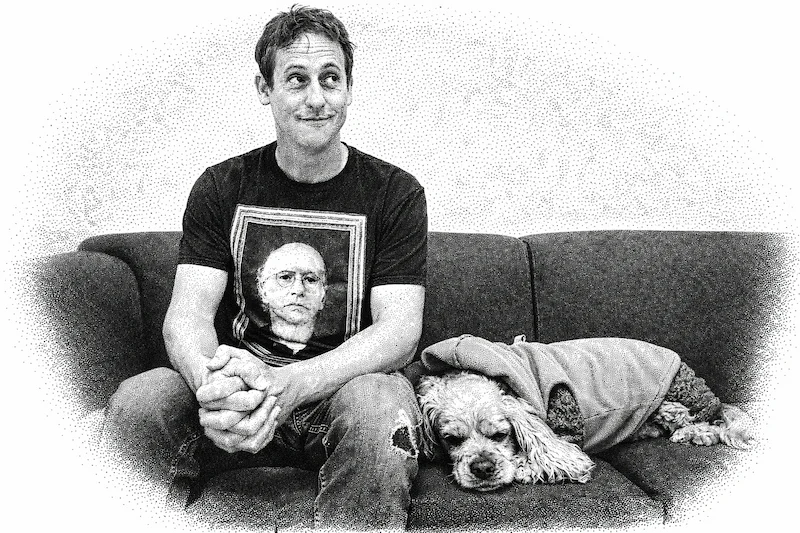
Ron Levi is the founder and Chief Content Officer of DOGTV, the world’s first television network scientifically designed for dogs. What started as a personal experiment to ease separation anxiety for his own pet has evolved into a global media company reaching millions of dogs—and their humans—around the world.
In this interview, Levi shares how DOGTV came to life, the skepticism he faced early on, the science behind creating content for animals, and why streaming has become the future of the business.
What was the original idea behind DOGTV?
I got my cat, Charlie, from London, and we lived in Tel Aviv. When we moved from London to Tel Aviv, I noticed that Charlie wasn't too happy about it. He looked sad every time I left for work. I thought something had to be done because it was not okay to leave Charlie alone by himself with nothing to do. So, I started playing some music, but he didn’t react to it well. Then, I put some content on TV.
This was the end of 2006, and a new website called YouTube had just come out. I downloaded some content from YouTube, like birds and squirrels, and put it on the old TV. Charlie jumped on the TV and reacted so beautifully to it. I thought, "Wow, this is great, I can leave the TV on for the cat or dog and feel less guilty about it." That was the original idea of DOGTV.
It evolved from cats to both cats and dogs and eventually to just dogs because of the significant need for a channel like this, especially in the US. Many people leave their pets alone, and having the right content on TV can help relax them and make them feel less stressed and alone during the many hours they spend at home alone each day.
What were some of the initial reactions when you decided to launch your channel for dogs?
Everybody looked at me weirdly and thought it was a ridiculous idea, including the initial investors. They weren’t sure if I was even serious about it; they thought it was a candid camera prank or something. However, once they looked into the numbers, they saw that the pet industry, especially in the US, is massive and that people do leave their dogs alone, so they started to take it seriously.
The first cable and satellite players we met thought we were crazy, but now the idea is easier for everyone to digest. It took time, but we adjusted well to the environment, and many people now understand what we’re trying to do. The fact that we’re still around after 14 years speaks volumes.
How did COVID affect the content you were creating? Did it attract new audiences?
Unlike many companies, COVID was pretty good for DOGTV as a company. People were at home and suddenly discovered that there was a channel for dogs they weren’t aware of. They started emailing us, saying, “Hey, this is great. Maybe you could start putting some content for us, not just our dogs. Our dogs are enjoying it, but we are here at home too.”
So, for the first time, we started creating shows for dog parents as well, including content featuring vets, behaviorists, trainers, and nutritionists. Now, we cater to both dogs and their humans. We understood from our audiences that they would appreciate content to help them become better pet parents, and that's what we've been doing ever since.
Yes, new audiences have been attracted because people are always looking for solutions, such as how to deal with their dog’s anxiety or how to train their dog to be more comfortable in the car. We provide answers and solutions, which attract new viewers.
Outside of the US, what is your biggest market? What emerging markets are you excited about?
We’re excited about every pet market around the world that is new and exciting. Pet markets globally are growing very fast. The trend of humanization of pets didn’t really exist in many countries a few years ago.
Brazil is a very important market for DOGTV; it’s the second biggest pet market in the world after the US, and it’s growing rapidly. When I was there for the channel launch, I was honestly surprised to see all the enthusiasm for pets. So, Brazil is probably our number one market outside the US.
How does one create content for animals, and what metrics do you use to measure success?
Good question. I didn’t know anything about creating content for animals initially; I had created content for people for many years. This is a new breed of television, so I had to study dogs thoroughly to understand what they want to see and what is good for them when they’re home alone.
From 2008 to 2012, we studied 68 scientific studies from universities all over the world, researching dog vision, hearing, color perception, memory, attention span, and more. We had to learn it all because we didn’t come from the pet world but from the TV world.
We created the “Bible” for making content for dogs, produced pilots, and tested them. We did a significant scientific study with Tufts University, installing security cameras in 38 apartments in New York and Los Angeles to test dogs’ reactions to DOGTV and other channels. The study showed that dogs reacted more positively to DOGTV, especially the relaxation content.
We measure success through subscriber feedback, emails, testimonials, and social media. We see beautiful evidence that we’re doing something right from posts and hashtags related to DOGTV.
What is the process of launching a TV channel in the US, both traditional and streaming?
Launching a TV channel in the US is a big process, involving endless meetings and convincing executives that this is a good idea. It’s the only TV channel in the world not for people, which makes it unique but challenging to pitch. It requires many years, many meetings, relationships, and investments.
Streaming is a bit easier because you have full control over what’s happening. You control the content, the price point, and everything else. However, it also took time because OTT platforms weren’t very popular a few years ago. Now, streaming is the future for DOGTV, with the direct-to-consumer model being more prevalent.
Other Interviews
More conversations with founders, operators, and investors building the future of pet care.

Sarah McLean | Co-Founder & CEO, Big Damn Dog Co.
A joint supplement label that stopped at 60 pounds sent Sarah McLean looking for a product that did not exist. Big Damn Dog Co. is the bootstrapped answer: giant-breed formulations, dosing built for 120-pound dogs, and a customer list the founders still call by phone. Six months after launch, its Gravy Blend already accounts for roughly 40% of joint supplement sales.
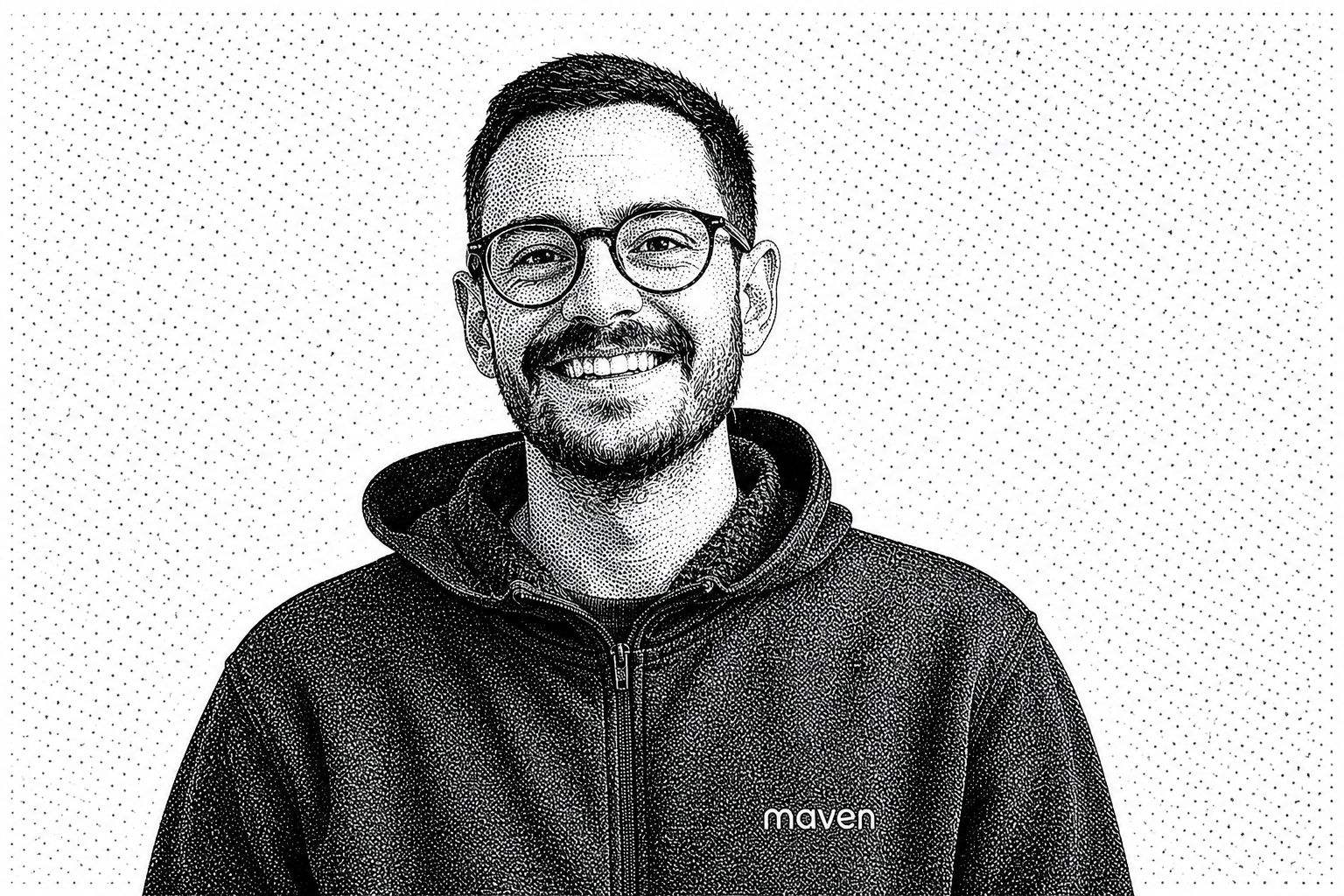
Guilherme Coelho | Co-Founder & CEO, Maven
Most owners catch a health problem only once it is visible, and by then it is usually late. Maven built its wearable around vitals instead of GPS, hired veterinarians before it shipped anything, and sells to owners rather than clinics. Guilherme Coelho on continuous monitoring, a study that set feeding portions by activity data, and why the consumer is the one who now brings the vet the data.

Francesca Albo & Lea Burbidge Izquierdo | Co-Founders, Puppy Sphere
Puppy yoga read as a novelty. It is now 13 corporate-owned studios, 450,000 customers, and more than $14M in revenue, built without outside capital for four and a half years. Francesca Albo and Lea Burbidge Izquierdo explain why they financed growth from cash flow, passed on VC term sheets, and kept every studio company-owned instead of franchising. The story is not the puppies. It is the operating discipline underneath them.