
Sebastian Gabor | Founder and CEO of Digitail
Sebastian Gabor, founder and CEO of Digitail, breaks down how a Romania-born PIMS scaled to 10,000+ veterinary professionals and 3M+ pet parents—raising $37M to build an AI-native operating system that’s redefining clinic workflows, care delivery, and the future of veterinary software.

We sat down with Sebastian Gabor, founder and CEO of Digitail, fresh off a $23M Series B that brought total funding to $37M, to talk about why the veterinary industry is finally entering its AI-native era.
In this conversation, Sebastian breaks down Digitail’s journey from Romania to a global PIMS platform, how the company scaled to serve thousands of clinics and millions of pet parents, and why its vision for holistic, workflow-native AI is resonating with veterinarians and investors alike.
Digitail launched in Romania in 2018 with a mission to pull veterinary clinics out of 90s-era software and into a modern, AI-native operating system. What specific workflow frustrations did you see early on that convinced you the industry needed a fully connected, modern PIMS?
The idea for Digitail started from the perspective of the pet owner's experience. In a world where consumers are used to digital communication – texting, personalized apps, instant confirmations – most veterinary clinics didn't even offer online booking, let alone digital access to their pet's medical records. We wanted to improve the client experience.
But as we dug deeper, we realized those frustrations were symptoms of something much bigger: the technology underneath was holding everyone back. Many clinics were still running on server-based systems, using pen and paper for medical records, and piecing together workflows with a lot of manual steps.
They were trying to serve modern clients while operating on software built decades ago.
So we decided to build an all-in-one, cloud-based operating system that would unify every clinic workflow: scheduling, patient intake, medical records, invoicing, billing, inventory, client communication, telemedicine, wellness plans, and a pet-parent app.
Our goal was to create something that felt modern, intuitive, and connected, so both veterinary teams and pet parents could have an experience that actually matches how people live and communicate today.
Digitail now serves 10,000+ veterinary professionals across independents, multi-location groups, and mobile practices — plus more than 3 million pet parents in the last year. As you've scaled globally, how do you ensure that rapid growth never compromises user experience or product reliability?
Our philosophy is: speed matters, but reliability is sacred. Digitail runs at 99.99% uptime, which is exceptionally high for any practice management system. Breaking things simply isn't an option when clinics rely on you every minute of the day.
One of the best decisions we made early on was to build one global platform, not different versions for different countries. Every improvement, every AI workflow, every bug fix – they all go to everyone, at the same time. That's how we maintain product consistency, rather than ending up with a patchwork of regional versions.
We also apply “the Elon Musk algorithm” – remove before you add. We run all our leadership teams through the same principles:
- Question every requirement
- Delete unnecessary complexity
- Simplify
- Accelerate cycle time
- Only automate once the workflow is rock-solid
It's a simple framework, but it keeps the platform lean, fast, and extremely stable.
And finally, we stay very close to our users. Every week, we review skip-level conversations with clinics, look at “bad news first” feedback, use AI to spot patterns in support tickets, and study onboarding data tied to real clinic outcomes. If something slows down a vet, it immediately becomes a top-priority fix.
At the end of the day, scaling isn't just adding more users – it is adding capacity for every clinic without slowing anyone down.
You recently raised $23M in a Series B round, bringing total funding to more than $37M. Your focus is on accelerating Holistic AI and global expansion. How do you define “Holistic AI,” and why do you think investors are gravitating toward this vision?
Holistic AI is AI that's fully integrated into the day-to-day workflows of a clinic, not added on as a separate layer.
Over the past few years, the market has been flooded with point solutions – one tool for AI dictation, another for client communication, another for clinical decision support. Each solves a narrow problem, but when they're bolted onto legacy systems, they create even more fragmentation.
We took a fundamentally different approach – Digitail is AI-native at the core. The AI is fully embedded across more than 15 workflows throughout the patient journey, creating a truly holistic experience for users.
Along with the Series B announcement, we rolled out three major updates that move our Holistic AI vision forward:
Continuous Care Dashboard – a real-time view of the entire patient base
Tails Concierge – an AI assistant that follows up with pet parents
Mission Control – a central hub to review and fine-tune AI interactions
Investors responded to this because it's a practical, scalable vision. Instead of chasing isolated AI features, we've built the underlying operating system where AI feels intuitive, not bolted on.
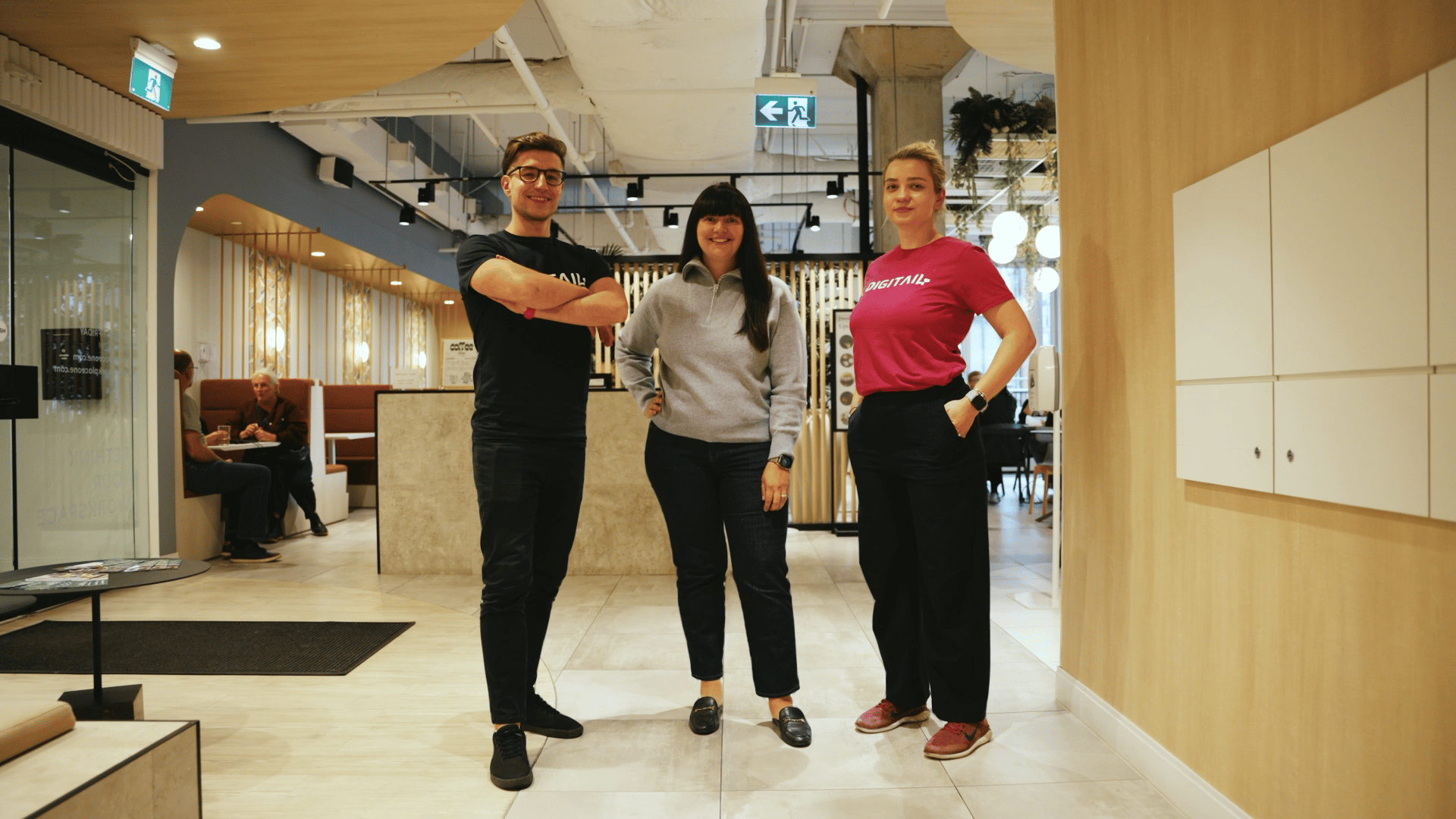
You're a serial founder, with ventures ranging from CleverTaxi to CocoManda to Code4Romania. How have those entrepreneurial experiences shaped your leadership philosophy and the culture you've built at Digitail?
One of the biggest lessons was learning to ignore the temptation to chase every “shiny object.” At CleverTaxi, we committed fully to a single product instead of spreading ourselves thin, and that focus helped us grow to 100,000 users in just two weeks.
Another takeaway was that data really is king. The moment we started measuring the right things, decisions became clearer and teams moved faster. That’s why today, everything at Digitail has a metric attached to it.
And finally, I learned how important it is to have the right people in the right seats, and to give them ownership over their projects. Those takeaways – data, ownership, focus, and purpose – are really the foundation of how we lead and grow Digitail today.
A core promise of Digitail is helping veterinarians spend less time behind screens, see more patients, and actually get home on time. How do you measure success against that mission?
We track a mix of hard metrics and real stories from the field. On average, clinics using Digitail's native AI are seeing about 70 minutes saved per DVM per day, over 50 hours of administrative time saved per month, and zero backlog of medical records for the first time in their careers.
We also hear stories of AI flagging early clinical risks or pet parents mistaking AI follow-ups for a real team member because the experience feels so personalized.
Telehealth, mobile-first care, wellness plans, and consolidation are reshaping pet care. How do you see the role of a PIMS evolving over the next 3–5 years?
We see the PIMS evolving into a true continuous-care platform – connecting in-clinic medicine with at-home monitoring, remote follow-ups, proactive care plans, and AI-assisted decision support.
Because we're AI-native, we can keep pushing toward a future where technology fades into the background and clinicians can simply practice medicine.
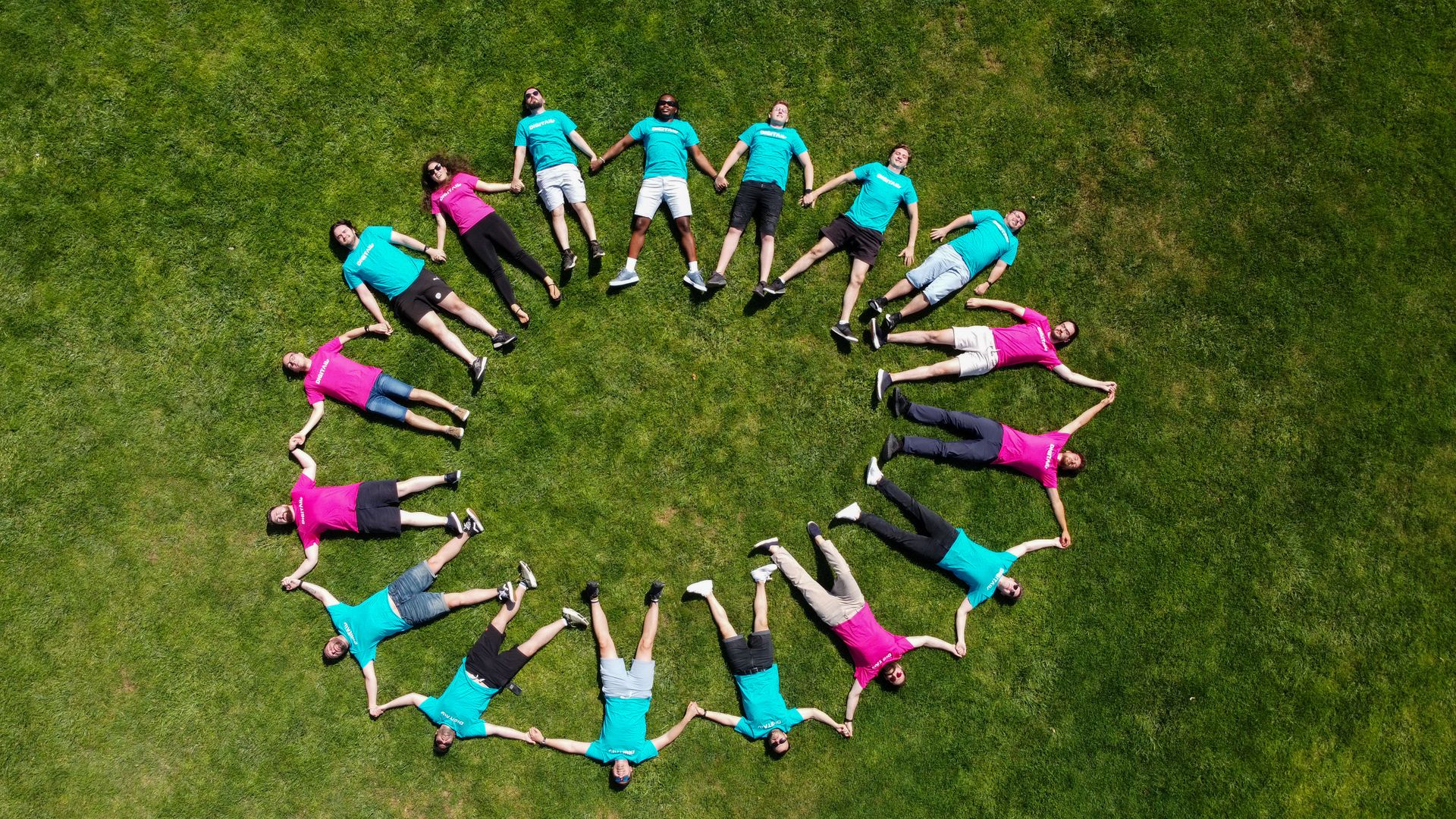
Digitail emerged from Romania during a rise in Eastern European SaaS and AI companies. Why do you think the region is producing so many strong, product-led businesses?
Eastern Europe has incredible technical talent, strong work ethic, and growing product leadership. Companies like UiPath showed the world what’s possible, and I’m proud that Digitail is part of that next generation.
How does operating in the U.S. veterinary market differ from Europe, and how has that influenced Digitail's roadmap?
The U.S. and Europe differ in buying behavior, speed, and expectations around support. That’s why we expanded into London and Toronto—proximity matters.
We still maintain one global platform, but we adapt how features are introduced, how teams are trained, and how onboarding fits each market.
Other Interviews
More conversations with founders, operators, and investors building the future of pet care.

Fawad Farrukh | VP of Feline Nutrition, Mars Pet Nutrition
July is National Pet Hydration Awareness Month, but inside Mars Pet Nutrition it reads as a multi-year strategic bet, not a seasonal campaign. Fawad Farrukh, who runs the North America feline portfolio, explains why the world's largest pet food company thinks moisture-rich feeding is the category's next structural shift. The tell: dog and cat toppers are up 129% and 138% since 2018, and Mars is building products to ride that behavior rather than fight it.
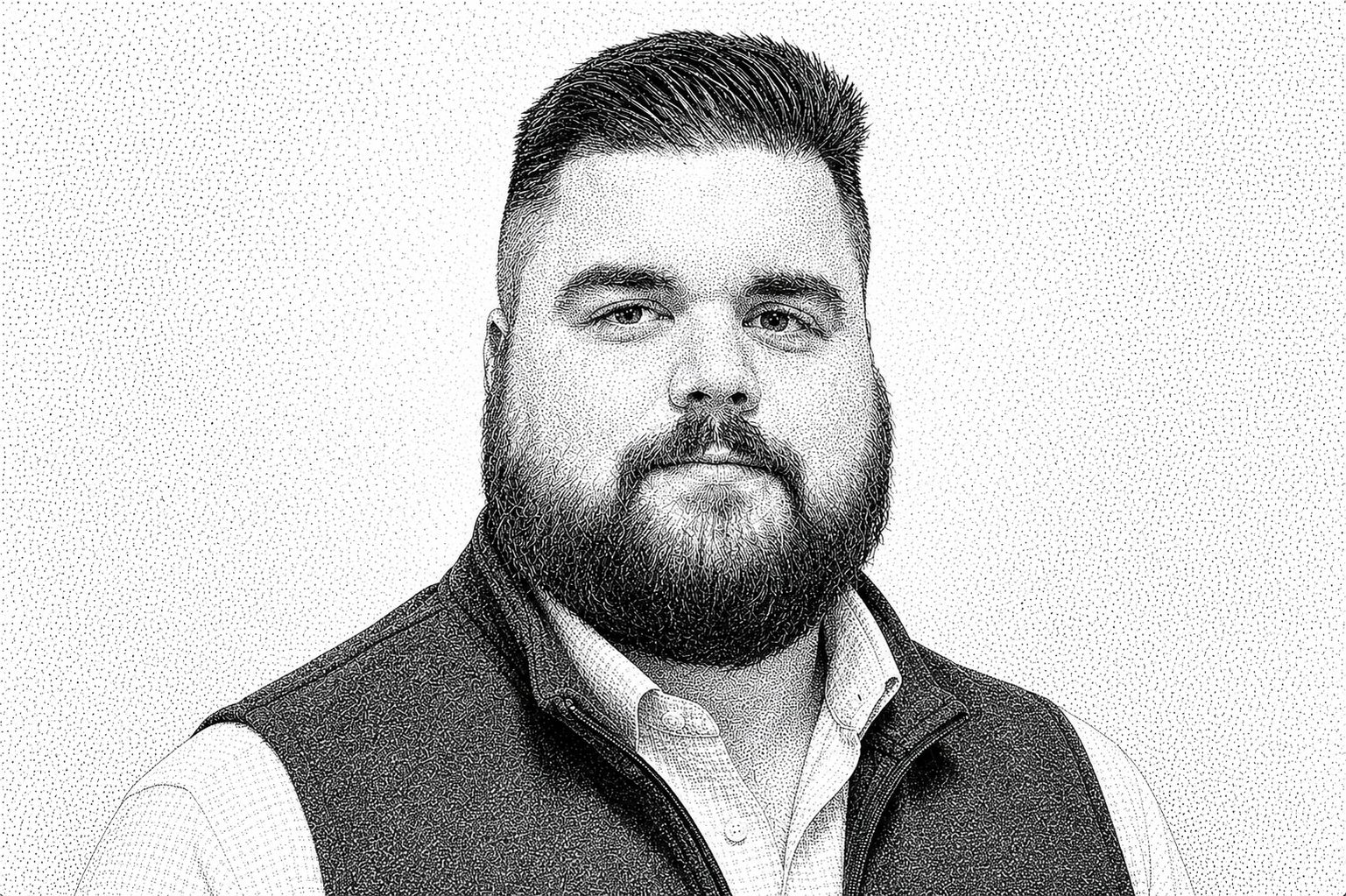
Joshua Fitzgerald | CEO, Zoomin Groomin
Joshua Fitzgerald lived Zoomin Groomin as a franchisee before running it. Now, past 300 mobile grooming vans, the CEO argues operational discipline beats flashy growth, walks through the metrics every franchisee should obsess over, and explains how the Loyalty Brands umbrella turns buying power and franchising experience into a competitive edge.
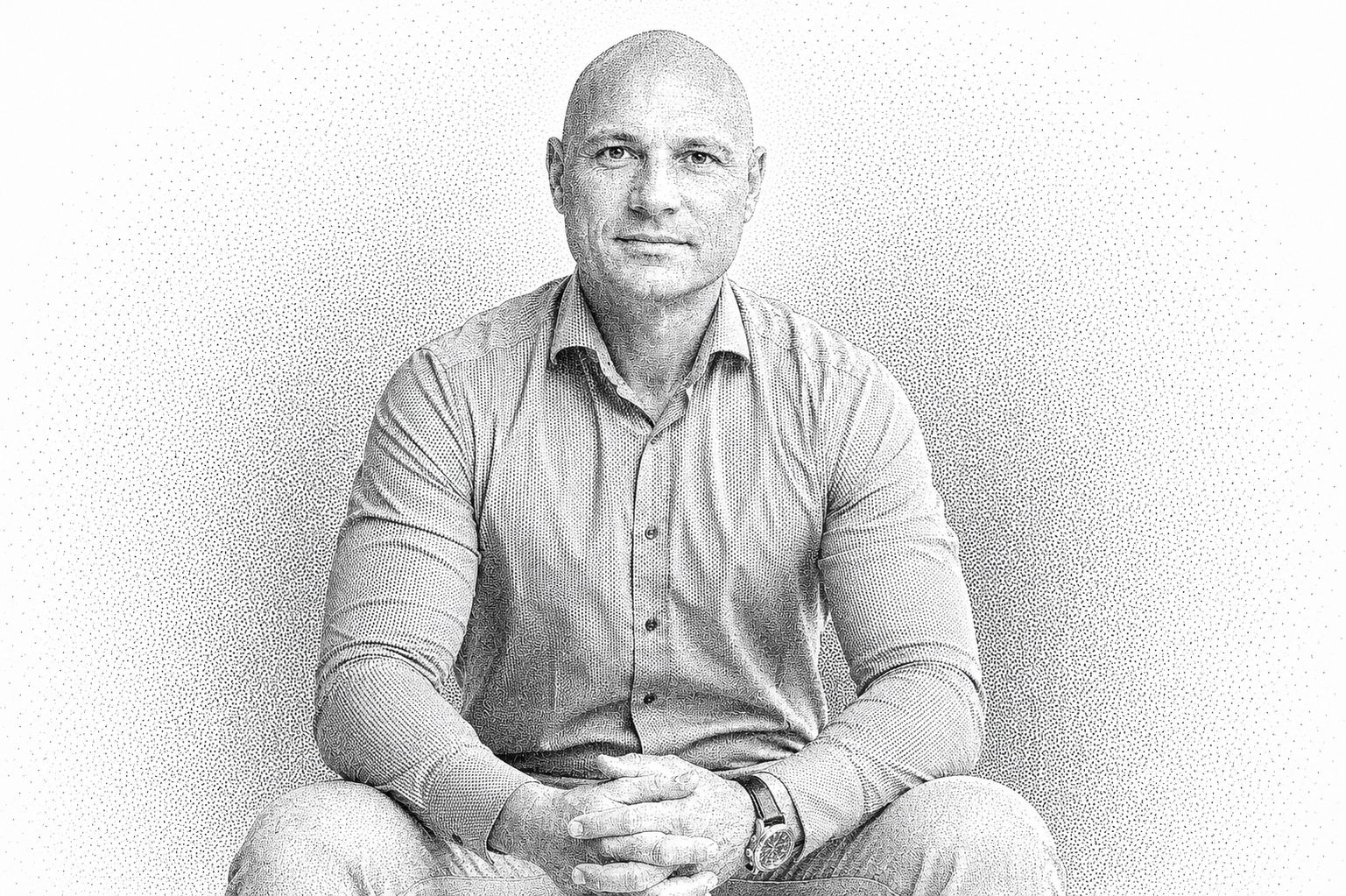
Ivan Zak | Co-Founder, Serenity Vet
After surviving burnout severe enough to nearly end his life, veterinarian Ivan Zak set out to fix the systems behind it. He bootstrapped SmartFlow and sold it to IDEXX, built the employee-owned group Galaxy Vets, and now co-leads Serenity Vet to tackle veterinary medicine's least-managed cost: labor. A candid conversation on burnout, ownership, private equity, and operational discipline.