Most DTC Pet Brands Expand to Retail Too Early
Most DTC pet brands expand to retail before they're ready, trading margin for reach without understanding the true costs. This guide covers the five signals that indicate readiness, the real economics of retail expansion, and when staying DTC-only makes more sense.
The conversation always starts the same way. Revenue is growing, but customer acquisition costs are climbing faster. Facebook ads that worked eighteen months ago now cost twice as much for half the results. The founder looks at the numbers and asks the obvious question: Is retail the answer?
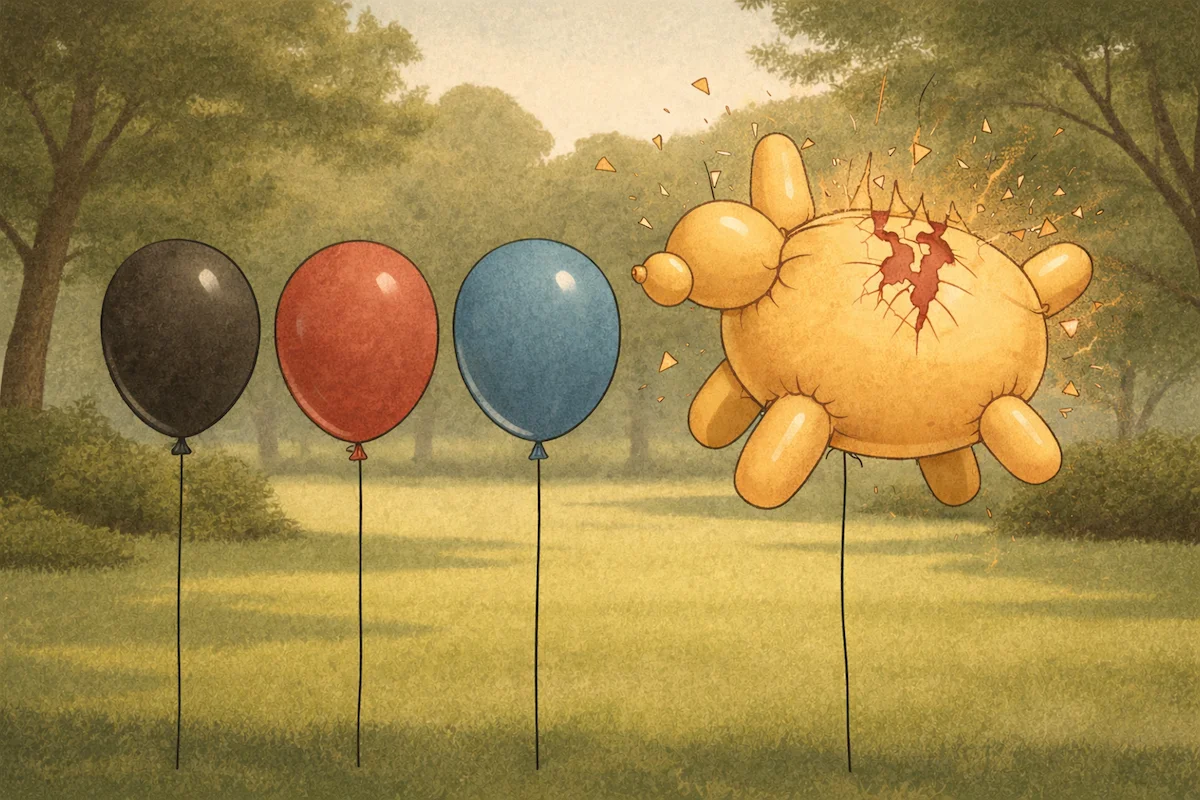
Sometimes it is. Sometimes it's the move that breaks the business.
The DTC-to-retail transition isn't a growth strategy. It's a trade. You're exchanging margin for reach, control for velocity, and direct customer relationships for retailer relationships. Some brands make that trade at the right time and scale to nine figures. Others make it too early and spend years recovering from margin compression they didn't see coming.
The difference isn't luck. It's knowing which signals to watch.
The Math That Triggers the Retail Conversation
Pet brand DTC strategy decisions rarely start with a vision for omnichannel expansion. They start with a spreadsheet that stops making sense.
Digital advertising costs nearly doubled between 2024 and 2025, with Google Ads lead costs jumping from $41.40 to $70.11. The channels that built most DTC pet brands are becoming prohibitively expensive. What worked when you were spending $50,000 a month doesn't work at $500,000.
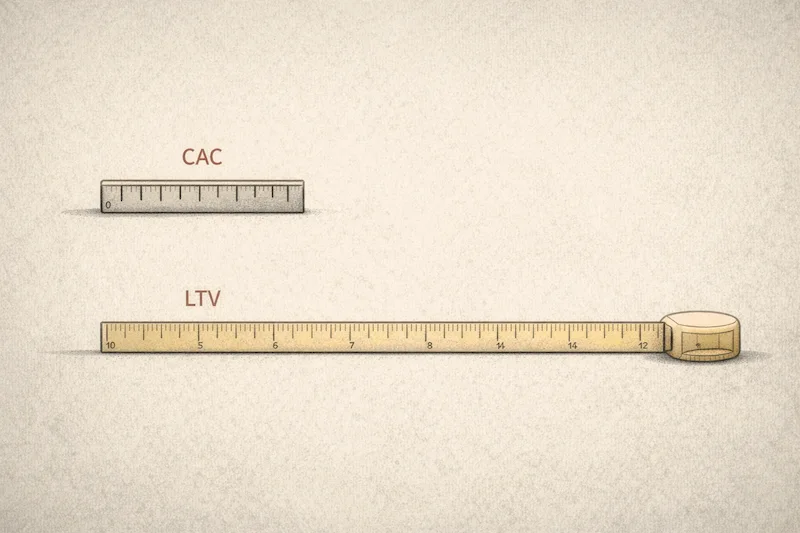
The math problem compounds quickly. Only 11% of DTC companies ever exceed $100 million in revenue. Most hit a ceiling somewhere between $10 million and $50 million, where customer acquisition costs eat the gains from scale. The LTV:CAC ratio that looked healthy at 3:1 starts compressing toward 2:1, then worse.
This is when founders start taking calls from retail buyers.
The DTC pet food market hit $2.5 billion in 2024 and is projected to reach $7.7 billion by 2035. That growth sounds like validation, but it's also attracting more competition for the same digital advertising inventory. The early movers had an arbitrage opportunity that's mostly gone now. What remains is a market where profitability requires either exceptional efficiency or channel diversification.
Retail expansion addresses the customer acquisition problem by tapping into existing foot traffic. A PetSmart shopper doesn't cost you $70 in ad spend. But that savings comes with costs that aren't always visible until you're committed.
Five Signals You're Actually Ready
Retail readiness isn't about hitting a revenue number. It's about having the right foundation. Here's what the brands that navigated this transition well had in common.
Your subscription mix proves product-market fit. If subscriptions represent 20-30% or more of your revenue, you've demonstrated that customers don't just try your product. They keep buying it. That retention signal matters to retail buyers because it predicts velocity on their shelves. Brands with weak retention can get into retail but rarely survive there.
You can articulate what changes. "We want to grow" isn't a retail strategy. "We've maxed out digital efficiency at $40 CAC and retail gives us access to customers who don't shop online for pet food" is a strategy. The brands that succeed in retail know exactly why they're making the move and what they're willing to trade for it.
Operations can handle volume uncertainty. Retail orders come in waves. A successful launch means replenishment orders you didn't forecast. A slow launch means inventory sitting in your 3PL. Either scenario breaks brands that are still figuring out their supply chain. Before pursuing retail, you should be able to handle 2-5x volume swings without panic.
You've done the margin math honestly. Wholesale pricing typically runs 50-60% of your DTC list price. That's before slotting fees, trade spend, and promotional allowances. If your DTC margins are already thin, retail will push you underwater. Run the numbers with realistic assumptions, not optimistic ones.
Your CAC payback is stretching beyond acceptable limits. When it takes 6-9 months to recoup customer acquisition costs on a DTC subscription, you're funding growth with cash you don't have. Retail's lower acquisition cost per customer can help, but only if you've already optimized DTC as far as it can go.
What Retail Actually Costs
The visible costs of retail are negotiated upfront. The hidden costs emerge over the first year. Most DTC founders are surprised by both.
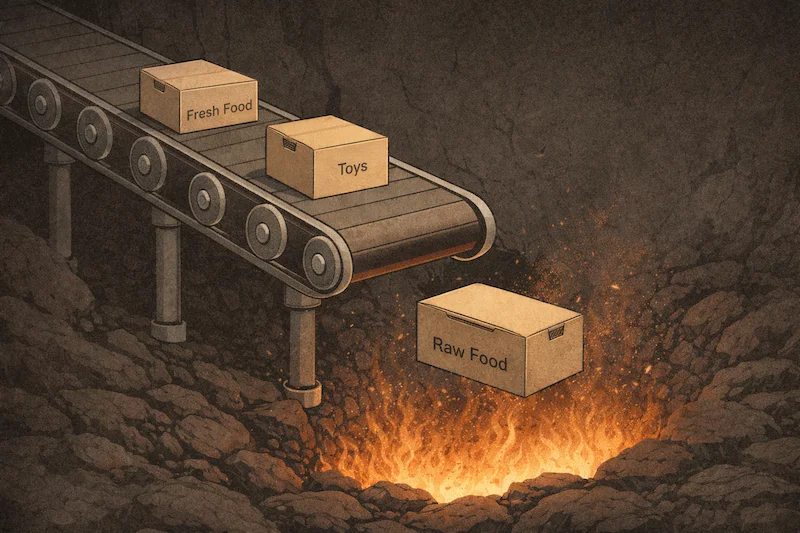
Margin compression is steeper than it looks. Wholesale pricing at 50-60% of retail is the starting point, not the end. Retailers expect promotional participation, which means temporary price reductions you fund. They expect trade spend, which is money paid to secure and maintain shelf position. Add it up and effective margins often drop 15-40% below what you were making DTC.
Slotting fees are real. Large retailers charge for shelf space. The specific fees vary widely by category, retailer, and negotiating leverage, but they're rarely zero. For a brand launching multiple SKUs across multiple regions, upfront shelf placement costs can reach five or six figures before you've sold a single unit.
Payback takes longer than DTC. A good retail payback period is 24 months. Compare that to DTC subscriptions where strong brands recover acquisition costs within the first order. Retail is a longer-term investment with more capital tied up in the waiting period.
You'll need new capabilities. Retail requires packaging designed for shelf presence, not shipping. It requires broker relationships, EDI integration, and often a dedicated sales resource. These aren't optional. They're table stakes that add fixed cost before you've proven velocity.
The brands that survive retail expansion treat it as a customer acquisition channel that happens to generate revenue, not as a profit center. They protect their DTC margins and use retail for reach. The brands that expect retail to be immediately profitable usually aren't.
How Three DTC Brands Made the Jump
The timing patterns are consistent. Brands that expand successfully do so after proving the model, not while still figuring it out.
Pet Honesty started on Amazon, using the platform to prove demand and generate reviews before seeking retail distribution. The company scaled through Amazon's Subscribe & Save before expanding to Target, Petco, and PetSmart roughly 2-4 years after launch. The pattern: use one channel to build proof points for the next.
Ollie built a substantial DTC subscription business before signing an exclusive partnership with Petco in August 2023. The partnership made Ollie the only fresh and baked dog food brand available at Petco nationwide. Exclusivity meant deeper support from the retailer. It also meant Ollie could maintain premium positioning without competing against itself in multiple channels.
Native Pet launched at Tractor Supply Company in early 2024, then expanded to PetSmart. The sequencing matters. Tractor Supply's customer base skews toward functional pet ownership. PetSmart's skews toward premium. Starting in the more accessible channel let Native Pet build retail operations before tackling higher-stakes distribution.
The common thread: none of these brands rushed. They validated DTC economics, built operational capacity, then expanded to retail as a scaling mechanism rather than a survival strategy.
What about the brands that expanded too early? Most don't make headlines because they don't survive to tell the story. The ones that do talk about years spent recovering from margin compression, inventory mistakes, and retailer relationships that became liabilities when velocity targets weren't met.
When Staying DTC Actually Makes Sense
The Farmer's Dog is the counterargument to every retail expansion thesis.
The company hit $1.2 billion in annualized revenue by 2024, making it one of the largest pet food brands in the country. Monthly profits exceed $10 million. And it's done this without a single retail partnership. Pure DTC. Pure subscription.
What makes that possible? Several factors that most brands can't replicate.
Exceptional product-market fit that drives word-of-mouth. The Farmer's Dog reportedly achieved payback on customer acquisition within the first order during its early years. That's almost unheard of in subscription commerce and suggests demand that feeds itself.
Premium positioning that supports margin. Fresh pet food commands prices most traditional retailers can't support. The cold chain requirements create barriers that retail distribution would complicate rather than solve.
A subscription model that generates predictable revenue. Pet food is consumed daily. Unlike apparel or accessories, where customer behavior is episodic, food subscriptions create recurring revenue with low churn once customers onboard.
If your brand has these characteristics, retail expansion might not be the answer. The margin compression and complexity might cost more than the reach is worth.
For most brands, though, The Farmer's Dog is an outlier rather than a template. The question isn't whether you should expand to retail. It's whether you should expand now, and whether you're prepared for what that trade actually costs.
What Retailers Evaluate Before Saying Yes
Retail buyers see hundreds of pitches. Most don't get meetings. The ones that do share common characteristics.
Proof of velocity. Amazon sales data, DTC subscription numbers, and social engagement all signal whether customers will buy repeatedly. Retailers are betting shelf space on your velocity. They want evidence you'll move product, not just promises.
Clear category positioning. Why does your product deserve space that could go to a proven brand? The answer needs to be specific. "We're premium" isn't positioning. "We're the only human-grade fresh food option in your freezer section" is positioning.
Operational readiness. Can you fulfill a PO next week? Do you have the packaging, the logistics, and the inventory to support distribution? Retailers don't babysit brands through growing pains. If you're not ready, they'll wait or find someone who is.
A pricing strategy that works for everyone. Your wholesale price needs to give the retailer acceptable margins while leaving you profitable. If the math doesn't work for both sides, the relationship won't last.
The first conversation usually isn't a pitch meeting. It's a capabilities assessment. Can you support this partnership? If the answer isn't an obvious yes, the answer is no.
For more on what drives pet marketing decisions at the brand level, see our pet brand marketing strategy guide. The DTC-to-retail question doesn't exist in isolation. It's one piece of a broader customer acquisition puzzle that every growing brand has to solve.
The founders who get this right don't ask "should we go retail?" They ask "what would retail cost us, and what would we have to be true for that trade to make sense?" The answer is usually more complicated than the question.
Affiliated Products
Lorem ipsum dolor sit amet, consectetur adipiscing elit. Suspendisse varius enim in eros elementum tristique. Duis cursus, mi quis viverra ornare, eros dolor interdum nulla, ut commodo diam libero vitae erat.