Adequan Recall Strips Vets of Their Only FDA-Approved Joint Drug
American Regent Animal Health recalled two lots each of Adequan Canine and Adequan i.m. after finding glass fiber material during internal testing. It's the only FDA-approved disease-modifying joint drug for dogs, and the second glass-contamination recall from the manufacturer's network in seven days.
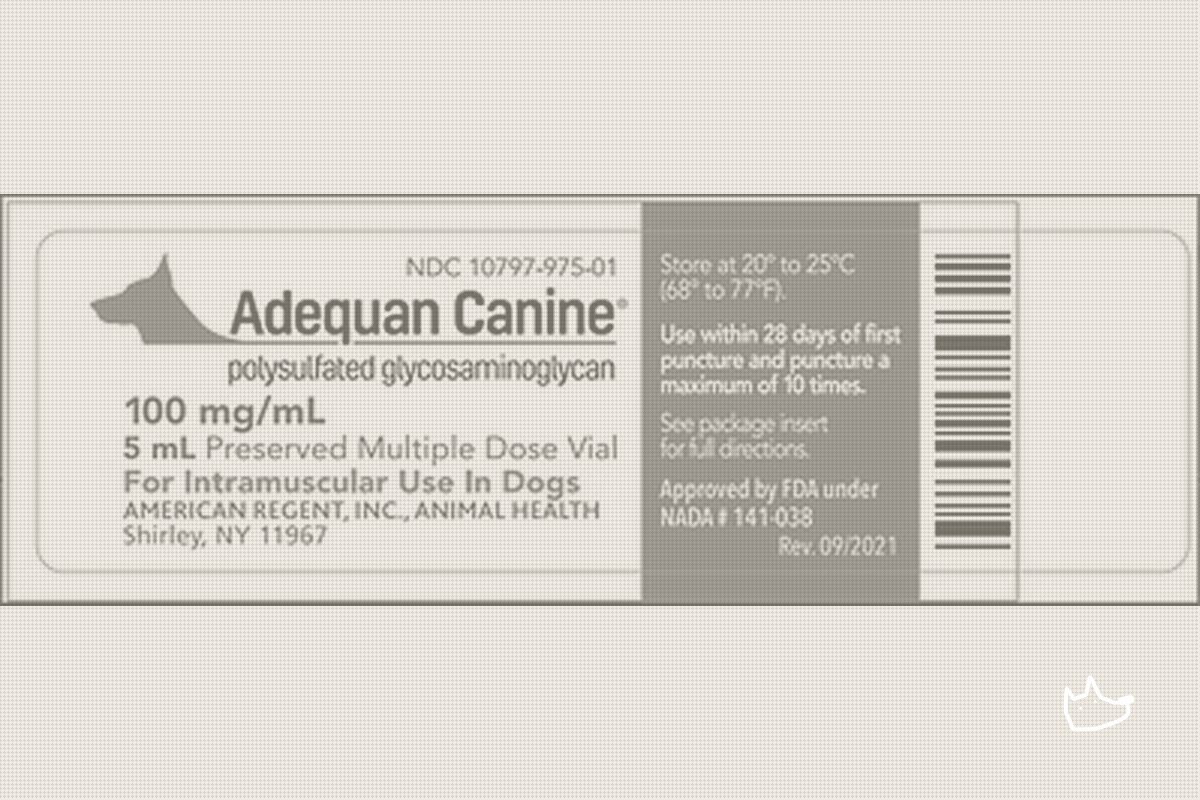
Four lots of a veterinary joint-therapy drug used across thousands of U.S. clinics are coming off shelves nationwide, the second glass-contamination recall tied to the same drugmaker's network in just a week. American Regent Animal Health's Adequan, the only FDA-approved disease-modifying injection for canine arthritis, has no true substitute on the market, leaving veterinarians managing an entrenched therapy with an unplanned supply gap.
American Regent recalls two Adequan product lines
American Regent Animal Health issued a nationwide recall on July 31st covering four lots across two products. The affected Adequan Canine Injection (100 mg/mL) lots are 3369 and 25011. The affected Adequan i.m. Injection (500 mg/5 mL) lots are 24416 and 25265P.
The company said internal testing of retained samples turned up visible glass fiber material in the product. Adequan Canine is labeled for dogs with degenerative joint disease. Adequan i.m. carries the same active ingredient, polysulfated glycosaminoglycan, but is labeled for horses, so the recall reaches both the companion-animal and equine channels at once.
Adequan has been on the market since the 1980s under various ownership, most recently as part of American Regent's animal-health portfolio after the unit was renamed from Luitpold Animal Health. That tenure is part of why the drug carries the weight it does in general practice: it's a therapy generations of small-animal vets were trained on, not a recent product launch still building trust.
Distribution ran nationwide to online pharmacies, distributors, wholesalers, and veterinarians. American Regent Animal Health said no adverse events have been reported to date, but warned that an intramuscular injection containing particulate matter can cause local irritation, swelling, inflammation, injection-site pain, infection, or abscesses. Clinics and pharmacies holding the affected lots are being told to quarantine remaining stock and report any adverse reactions to the FDA.
Why vets have no easy substitute for Adequan
Adequan occupies an unusual spot in the canine osteoarthritis market. It isn't a painkiller competing with newer entrants like Zoetis's three-month arthritis injection. It's the only FDA-approved drug marketed to slow cartilage breakdown itself, a mechanism vets often layer under pain management rather than swap out for it. That distinction matters here. A recall of an NSAID or a monoclonal antibody pain shot has near substitutes on the shelf. A recall of the only approved disease-modifying option does not.
The timing compounds the problem. American Regent, Inc. (the Daiichi Sankyo-affiliated parent of the animal-health unit) pulled a lot of its human Papaverine Hydrochloride Injection on July 24th for the same underlying defect category, glass and paraformaldehyde particulate matter. Two recalls citing glass contamination from one manufacturing network, seven days apart, spanning both the human and animal-health sides of the business, is not something either release disclosed on its own. Read together, it points at a fill-finish or vial-sourcing issue broader than a single product line, not an isolated one-lot mistake.
For veterinary clinics, that raises a practical question beyond this week's lot numbers: how much of their remaining Adequan inventory sits in the same supply chain, and how fast can wholesalers requalify it. Online pharmacies and distributors named in the recall now have to audit stock against four lot numbers across two SKUs, a manual process that larger buying groups can absorb faster than independent practices. Any resulting shortage would land in an already competitive joint-pain category, one where Wall Street has been betting heavily on continued growth. It also gives newer entrants a real-world argument for switching clients who might otherwise have stayed on Adequan by habit.
Cost cuts the other way, too. Adequan's per-injection price has historically undercut the newer monoclonal antibody options, which is part of why general practitioners kept prescribing it even as flashier alternatives launched. A prolonged shortage doesn't just risk losing a clinical tool. It risks pushing cost-sensitive clients toward pricier substitutes at the exact moment household pet-care budgets are already stretched.
What a second recall in a week means next
No corrective-action timeline or root-cause explanation has been published for either recall, and neither release states whether the FDA has assigned a recall classification. That designation, when it comes, will signal how seriously the agency views the risk: a Class I finding would carry more regulatory weight than a routine Class II or III quality flag.
Worth watching over the next few weeks: whether American Regent widens the recall to additional lots as it works back through its testing data, whether the FDA's Center for Veterinary Medicine issues its own advisory beyond the company's voluntary notice, and whether wholesalers report tightening Adequan availability heading into fall, historically a busy season for canine orthopedic visits. A third contamination disclosure from the same manufacturing network, in either the human or animal-health business, would turn this from a one-off supply hiccup into a credibility problem for the parent company.
Other News
More stories shaping the pet industry this week. From funding rounds and product launches to regulatory shifts and retail strategy, stay ahead of what's driving the market.
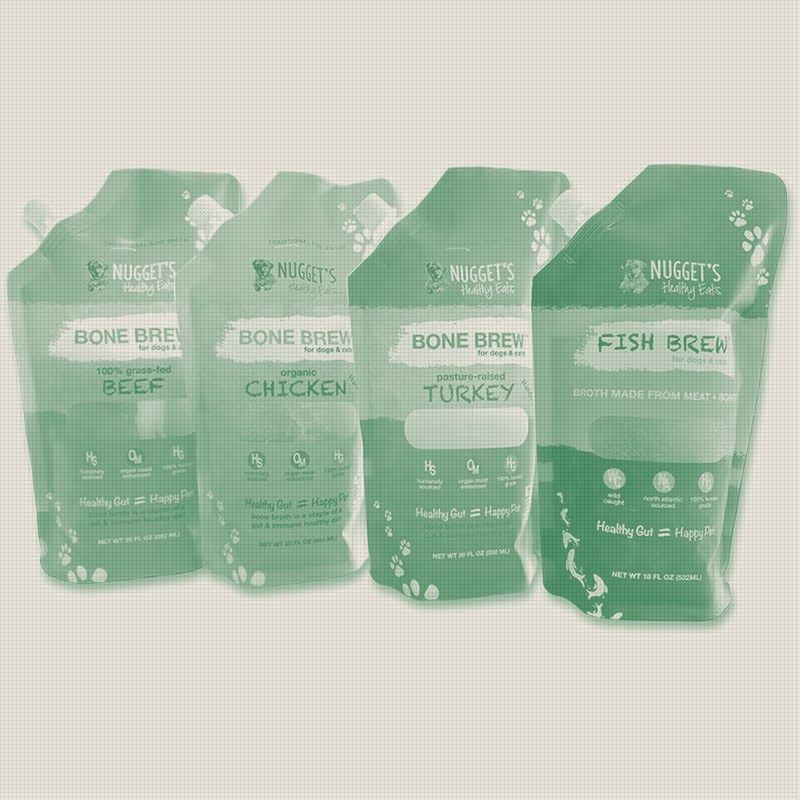
Tucker's Buys Nugget's Healthy Eats, Its Second Brand Absorption This Year
Tucker's Raw Frozen Food acquired bone-broth brand Nugget's Healthy Eats in April, retiring the name and folding its formulas into Tucker's own lineup. It's the second time this year Tucker's has absorbed rather than kept an acquired brand, and the rebranded line debuts this week at SuperZoo.
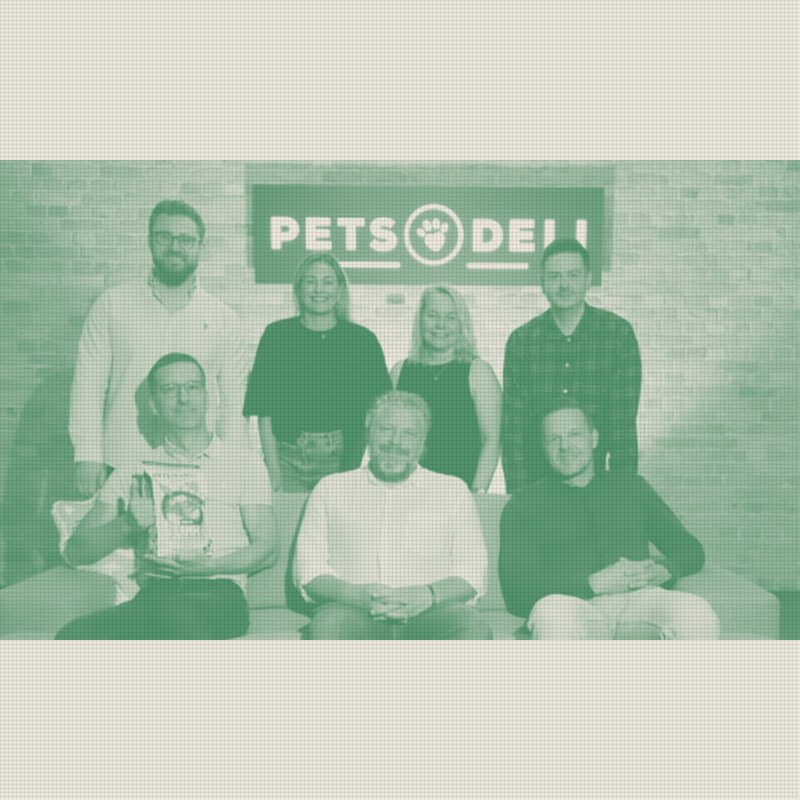
VAFO Acquires Pets Deli as Its Founder Returns to the CEO Seat
VAFO Group has acquired Berlin-based D2C pet food brand Pets Deli on undisclosed terms, with founder Tania Moser returning as CEO after more than a year as chairwoman. The deal is the second involving a German pet food company The Underbite has tracked in two weeks, and it fits a pattern of manufacturers buying direct customer relationships rather than building them.
Nine Pet Companies that Made the 2026 Inc. 5000
At least nine pet-industry companies, led by veterinary network Petfolk's 2,016% three-year growth, placed on the 2026 Inc. 5000 list of America's fastest-growing private companies. Their range, from consolidated veterinary care to doodle-breed grooming, maps where pet industry money is actually moving.