
Gen Z and Cat Dads Are Reshaping the Market—New APPA Data Shows Where Cat Spending Is Accelerating
New APPA research reveals that Gen Z (22% of cat owners, +10% YoY) and cat dads (43% of owners, Gen Z males +27% YoY) are reshaping category spending. Multi-cat ownership and specialty product purchases among male owners have tripled since 2018, signaling a shift toward customized, premium cat care.

Cat ownership hit 53 million U.S. households in 2025, a 5% increase over the prior year and the second consecutive year of double-digit growth momentum. The market isn't expanding evenly. Gen Z now accounts for 22% of cat owners (up 10% YoY), and men now represent 43% of the base, with male Gen Z ownership jumping 27%. These two cohorts are spending harder on food, treats, and specialized products in ways that reshape what "cat product" means.
Gen Z and male owners drive category growth beyond headcount
The American Pet Products Association released findings from its 2026 Cat Report on September 14th, based on its National Pet Owners Survey. The headline figures look healthy: 53 million households, 39% penetration, a 5% year-over-year increase. But the subsurface tells a different story.
Gen Z cat owners report the strongest emotional connection to their cats compared to older cohorts. Multi-cat ownership among Gen Z jumped 14% YoY. The cohort balances affordability with targeted premium purchases, combining value-oriented staples with products that deliver perceived health, wellness, or enrichment benefits. Nearly half of Gen Z cat owners buy cat food at supermarkets, but e-commerce-only purchasing continues to climb.
Cat dads are an even more pronounced signal. Men account for 43% of U.S. cat owners overall. Gen Z male cat ownership is up 27% YoY. Multi-cat ownership among men has increased 117% since 2018, the sharpest upside among any demographic. Cat dads devote a larger share of their pet budgets to products than female owners and are increasingly embracing premium and specialized nutrition. Since 2018, purchases of mixers and toppers among male cat owners have increased 214%.
Mixers and toppers are low-volume, high-margin products that assume an engaged owner who treats meal customization as an experience, not a chore. A tripling of purchases in eight years signals a consumer base that's willing to pay for differentiation and perceived added value.
Why these segments matter more than volume growth
The broader market trend—53 million households, +5% YoY—appears as steady-state expansion. The segment trends read as category redefinition. Existing cat owners are adding cats and spending more per cat on food and specialty products. New cohorts (Gen Z, male owners) are entering the category with higher expectations for customization, perceived wellness, and emotional connection.
For food and product brands, this creates two overlapping strategies. The first is reach, where Gen Z and male owners represent the growth vector and the one buying premium. The second is format where mixers, toppers, specialty formulations, and variety-pack bundles address an owner base that no longer buys cat food as interchangeable bulk replenishment, but as a platform for personalization.
The data also reveals a shift in retail logic. Gen Z is bimodal—nearly half buy at supermarkets, but e-commerce-only purchasing is growing. Male cat owners are active across specialty, online, and traditional grocery. Neither cohort is relying on one channel; both are shopping where convenience and perceived quality intersect. That makes omnichannel presence matter more than it did when cat ownership skewed older and female.
What emerges when segments start to lead the category
The growth is real, but the growth is uneven. Cat ownership increased 5% YoY after a 23% surge in 2024. Gen Z ownership is up 10% YoY. Male Gen Z cat ownership is up 27%. That gap between the category average and the leading segments is where product, marketing, and channel strategy all compress.
Watch whether the brands that emerge as winners in the next 18 months are the ones that treat Gen Z and cat dads not as niche adjacencies but as the leading edge of where cat ownership is going. Watch, too, whether existing players that built their base around the older, female, single-cat owner can adapt pricing, format, and retail strategy fast enough to compete for market share as the category center of gravity shifts.
Source: APPA 2026 Cat Report: Strategic Insights from the 2025 National Pet Owners Survey
Other News
More stories shaping the pet industry this week. From funding rounds and product launches to regulatory shifts and retail strategy, stay ahead of what's driving the market.
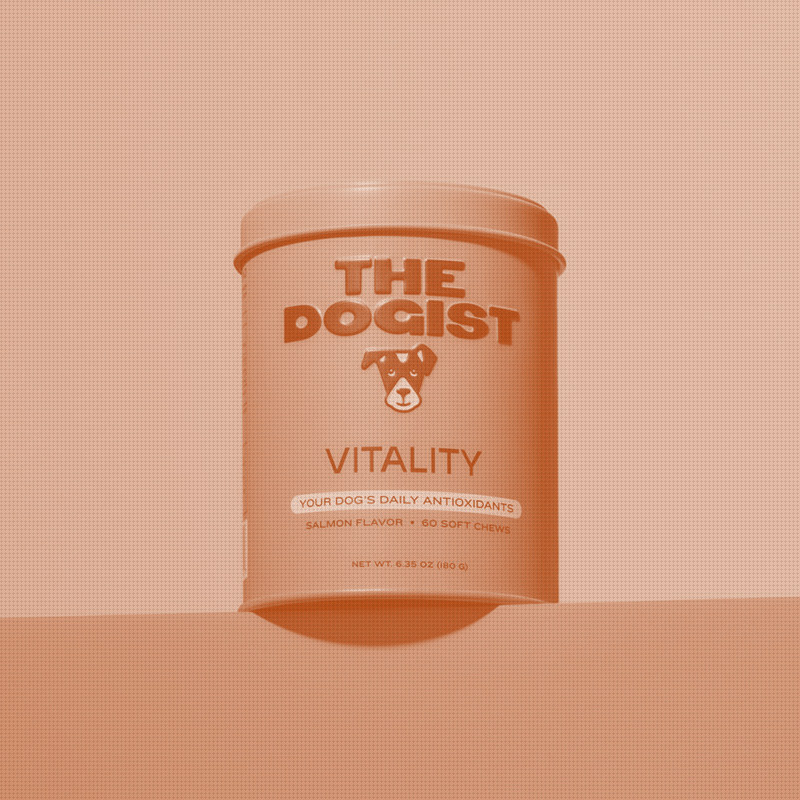
After 13 Years Photographing Dogs, The Dogist Launches Its First Product
Elias Weiss Friedman's picky-eater dog, Elsa, inspired his first product: Vitality, a $35 antioxidant chew developed with a board-certified veterinary nutritionist. Preorders open now ahead of a September 22nd release on The Dogist Company's site and TikTok Shop.

$250M Duffield Pledge Raises the Stakes on Vet Care Access
The Dave & Cheryl Duffield Foundation is committing $250 million over five years to expand nonprofit veterinary care, an initiative it calls the Duffield Big Bet for Pets. The pledge follows PetSmart Charities' $100 million commitment in 2023, pushing dedicated access-to-care philanthropy past $350 million in three years. For operators, the money increasingly funds nonprofit clinic capacity, not just family subsidies.

Loyal's Third Longevity Drug Clears the FDA's First Efficacy Bar
Loyal's LOY-003, a large-breed longevity drug targeting the growth hormone/IGF-1 pathway, has cleared the FDA's Reasonable Expectation of Effectiveness bar, the company's third such acceptance. The milestone de-risks Loyal's broader platform even as its furthest-along drug, LOY-002, still awaits a manufacturing review before conditional approval.