
AVMA Sourcebook: Cat Population Up 31% Over Decade, Nearly Triple Dog Growth
AVMA's 2026 Sourcebook released May 4 shows the U.S. cat population grew 30.9% over the past decade to 76.3 million, while dogs grew 13.7% to 87.3 million. Cats grew nearly three times faster than dogs, with implications for litter, cat food, and veterinary diagnostics.

The U.S. cat population grew 30.9% over the past decade, from 58.3 million to 76.3 million. Dogs grew 13.7% over the same period, from 76.8 million to 87.3 million. Cats grew nearly three times faster than dogs, and that gap is the most operator-relevant signal in AVMA's 2026 Pet Ownership and Demographics Sourcebook, released May 4.
What Happened
The AVMA released top-line numbers from its 2026 U.S. Pet Ownership and Demographics Sourcebook on May 4, timed to National Pet Week (May 3-9, 2026). The headline data points:
- Pet-owning households: 71.5M (2016) → 77.5M (2025), +8.4% over the decade
- U.S. household pet penetration: 56.8% → 58.6%, up 1.8 points
- Owned dog population: 76.8M → 87.3M, +13.7%
- Owned cat population: 58.3M → 76.3M, +30.9%
- 79.5% of dog owners consider their pet a family member
- 70.4% of cat owners consider their pet a family member
The full Sourcebook with regional breakdowns, demographic segmentation, and veterinary visit frequency is expected later in 2026. Other industry datasets, including APPA's National Pet Owners Survey and Packaged Facts, report different aggregate totals due to differences in sampling methodology and weighting; this brief uses only AVMA's figures.
Why It Matters
The 31% cat-population growth is the single most operator-relevant data point in the release.
1. Cat-category structural tailwind. Cat litter, cat food, cat-specific accessories, and cat-skewed vet diagnostics have a volume tailwind that dog categories do not. Church & Dwight's Q1 2026 print on May 1 already showed Arm & Hammer cat litter consumption growing 6.8% with category share up 0.4 points to 24.6%, consistent with a category in volume expansion rather than just price-and-promo cycling. Other cat-litter players (Clorox/Fresh Step, Oil-Dri, the natural and silica challenger set) and cat-food brands (Purina Friskies and Fancy Feast, Mars Sheba and Whiskas, Wellness, Stella & Chewy's) should be running their 2026-2030 plans on a category that is structurally growing faster than dog.
2. Vet-practice mix is shifting. Vet hospitals and diagnostics suppliers (IDEXX, Antech, Mars/VCA, NVA, Thrive, AmeriVet) face a slow but steady mix shift toward feline diagnostics, feline vaccinations, and feline pharma. That has implications for clinical-product attach rates, clinic staffing models (cat-friendly handling matters more), and OEM diagnostics roadmaps. IDEXX's Catalyst SDMA and feline-specific panels become more valuable as the cat share of clinical visits rises.
3. The family-member share gap is a premium-positioning lever. 79.5% of dog owners call pets family members; only 70.4% of cat owners do. The roughly 9-point spread reflects a long-running pattern that dog owners over-index on premium spending intensity. For premium pet-food, insurance, and end-of-life service operators, this means the cat-population growth is real volume, but the per-pet ARPU on cats is structurally lower than on dogs. The category-mix shift toward cats is therefore good for unit volume, neutral-to-modest for total category revenue, and a lever for any cat-focused brand that can move the family-member share for cat owners up toward the dog level.
4. Household growth is modest; the action is per-household. 8.4% household growth over a decade (about 0.8% compounded annually) is steady, demographic-paced growth. The implication is that 2026-2030 topline plans cannot rely on more pet households appearing. Growth has to come from per-household ARPU (more pets per household, more spending per pet) or from share-shift inside the category. AVMA's data is consistent with the per-household ARPU thesis: more pets per household, particularly more cats per household, is doing more of the work than household formation.
What to Watch
The full Sourcebook later in 2026 will include regional and demographic breakdowns. Watch for whether the cat tilt is geographically concentrated (urban vs. suburban, coastal vs. interior) or broadly distributed. Geographic concentration changes which retailers, vet networks, and brand portfolios benefit most.
Vet visit-frequency data in the full Sourcebook will be the read on whether the cat-population growth is translating into clinic visits. Cats have historically under-visited vet practices relative to dogs, and clinical-product TAM depends on whether the new cats are showing up in clinics or not.
Cat-litter and cat-food category leadership is the near-term competitive question. If the cat population is growing 30% over a decade and Arm & Hammer is gaining litter share, the question for 2026 is which other brands manage to ride the cat tailwind and which ones get left flat-footed by a dog-centric SKU mix.
For brand operators broadly, the immediate move is to audit the dog-versus-cat split inside any 2026 plan. If the plan was built when the cat side of the market looked stable, it is quietly understating volume potential. The Sourcebook's species-level numbers later this year will tell you by how much.
Other News
More stories shaping the pet industry this week. From funding rounds and product launches to regulatory shifts and retail strategy, stay ahead of what's driving the market.
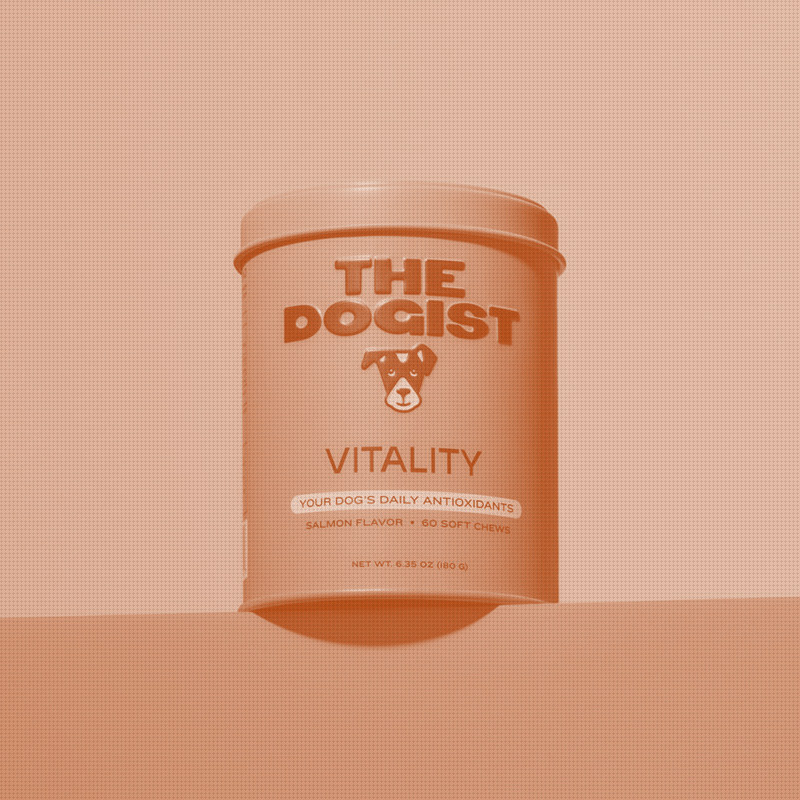
After 13 Years Photographing Dogs, The Dogist Launches Its First Product
Elias Weiss Friedman's picky-eater dog, Elsa, inspired his first product: Vitality, a $35 antioxidant chew developed with a board-certified veterinary nutritionist. Preorders open now ahead of a September 22nd release on The Dogist Company's site and TikTok Shop.
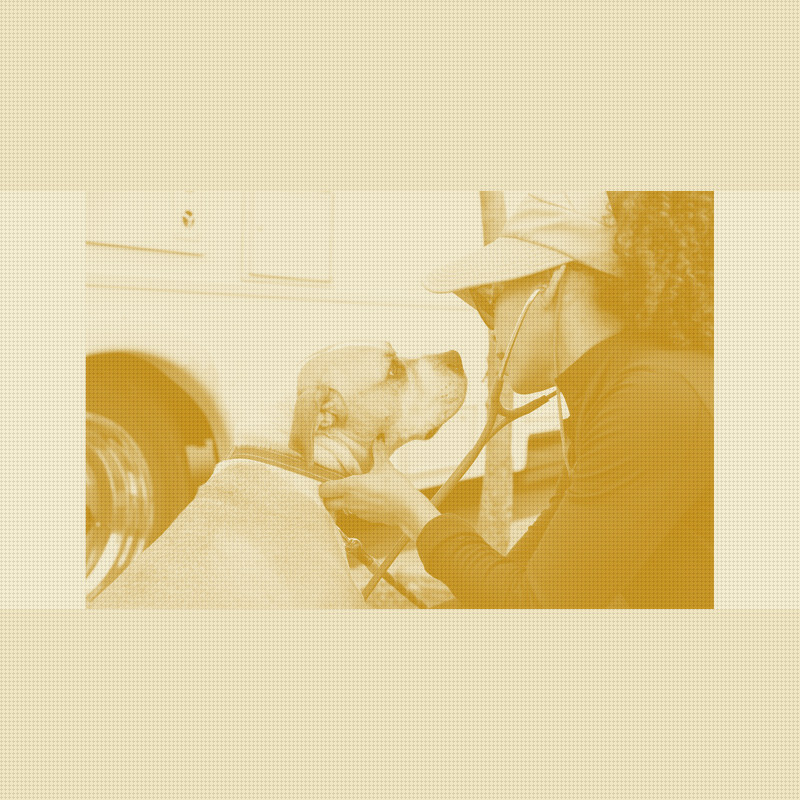
$250M Duffield Pledge Raises the Stakes on Vet Care Access
The Dave & Cheryl Duffield Foundation is committing $250 million over five years to expand nonprofit veterinary care, an initiative it calls the Duffield Big Bet for Pets. The pledge follows PetSmart Charities' $100 million commitment in 2023, pushing dedicated access-to-care philanthropy past $350 million in three years. For operators, the money increasingly funds nonprofit clinic capacity, not just family subsidies.

Loyal's Third Longevity Drug Clears the FDA's First Efficacy Bar
Loyal's LOY-003, a large-breed longevity drug targeting the growth hormone/IGF-1 pathway, has cleared the FDA's Reasonable Expectation of Effectiveness bar, the company's third such acceptance. The milestone de-risks Loyal's broader platform even as its furthest-along drug, LOY-002, still awaits a manufacturing review before conditional approval.