
The Bird Bath Launches Terminal, Putting EBITDA Multiples and Practice Data on a SaaS Price Tag
The Bird Bath launched Terminal on April 21 — a subscription platform covering roughly 37,000 U.S. vet practices, 80+ corporate groups, and an analytics layer with EBITDA multiples and transaction activity. Pricing starts at $299 per month with CRM integrations coming, changing who can act on deal-grade practice data.

The Bird Bath, the animal-health media company run by Ryan Leech, launched Terminal on April 21 — a subscription platform mapping roughly 37,000 U.S. veterinary practices and more than 80 corporate groups, with an analytics layer that tracks EBITDA multiples, transaction activity, and consolidation trends.
Pricing starts at $299 per month, with a 25% discount through a Data Partner Program for contributors. For buy-side teams at consolidators, sellside advisors, and commercial teams selling into practices, it is the first vet-industry product to put deal-grade data at a SaaS price.
What Happened
Dateline Dallas, April 21. Terminal brings together a live practice map, a directory of consolidators and local groups, and an analytics layer into a single interactive system. The dataset covers nearly 37,000 U.S. veterinary practices and more than 80 enterprise groups across 50 states and two U.S. territories, with weekly data verification.
Users can search and filter by state, city, ZIP code, or group name. Each practice record includes parent company, DVM count, contact information, key services, online booking availability, Fear Free or AAHA accreditation, Google and Yelp ratings, estimated revenue, and software stack.
A Watchlist feature lets users save practices and track changes over time — effectively a target-list toolkit for M&A and commercial teams.
The analytics layer is where Terminal reaches beyond a directory. It surfaces consolidation trends, transaction activity, EBITDA multiples, workforce dynamics, telehealth adoption, pricing signals, and public market indicators. A Chrome extension that surfaces Terminal data directly on practice websites is upcoming, alongside integrations with HubSpot, Salesforce, Close, and Monday.
Pricing starts at $299 per month across several tiers. The Data Partner Program, 25% off any tier in exchange for contributing data, is a pattern borrowed from platforms like PitchBook and Owler that use contributor incentives to keep coverage current.
"Each week on The Bird Bath, I report on where capital flows, what technology enables, and how macro forces shape the profession. Terminal brings that intelligence into a live environment where it can support the decisions companies make about where to grow and how to compete," said Ryan Leech, Growth Consultant and Owner of The Bird Bath and First 100.
Why It Matters
Veterinary consolidation is one of the largest operator stories in pet. Corporate ownership of U.S. small-animal practices has climbed from single digits a decade ago to roughly a quarter of the market, with Mars Petcare's VCA and Banfield, NVA, Thrive, PetVet Care Centers, Heartland Veterinary Partners, and a long tail of regional rollups competing for the remaining independents.
Until now, the data infrastructure for that market has been split between expensive custom research from firms like IBISWorld and proprietary lists stitched together inside every consolidator's corp-dev team.
1. EBITDA multiples at $299 a month is the real story. Transaction-level multiples in animal health have historically been sourced from advisors, proprietary data shops, and expensive private-market databases that charge enterprise fees.
Surfacing multiples inside a $299-per-month SaaS product, even if aggregated or lagged, changes who can price a deal. Independent DVM owners exploring a sale, regional operators benchmarking offers, and smaller PE firms doing first-pass comps now have access to a number they previously had to pay advisors to triangulate.
The downstream effect should be tighter, more informed negotiations, and a smaller information gap between the big platforms and everyone else.
2. The CRM integrations turn a directory into a commercial stack. HubSpot, Salesforce, Close, and Monday are the CRMs that distributors, pharma reps, PIMS vendors, and BD teams live in. Integrating Terminal there means a target list can become a pipeline without an export step.
Expect animal-health commercial teams to adopt it the way B2B tech teams adopted ZoomInfo and Apollo — because it removes friction from the existing workflow.
3. Software-stack visibility puts PIMS vendors on notice. Terminal surfaces which practice-management software each clinic uses. For IDEXX, Covetrus, Vetspire, Shepherd, Rhapsody, and the rest, that is the first public-ish view of install-base share by geography.
Expect competitive replacement campaigns to get more data-driven quickly — and expect practice-ownership transitions to become higher-leverage moments for switch attempts.
4. Weekly data verification is Terminal's credibility lever. A 37,000-practice dataset covering effectively the whole industry is the right scope, but DVM count, estimated revenue, and software stack are notoriously hard to maintain in vendor datasets.
Leech's weekly refresh cycle is the direct response to that concern, and it is what distinguishes a data platform from a snapshot. Power users — the PE buy-side teams the Bloomberg-style positioning invites comparison to — will stress-test the data against their own lists within weeks. Credibility with that cohort is what sets Terminal's ceiling.
What to Watch
Whether a competing launch lands within the next two quarters. Vet market intelligence has been an obvious gap and incumbents, Packaged Facts, IBISWorld, AVMA's data group, Veterinary Practice News' research arm, have the data to respond. A second subscription-priced launch would confirm the category.
Whether Terminal adds predictive or transactional signals beyond static practice records. Ownership-transition patterns, DVM retirement cohorts, and software churn are the fields that turn a database into a deal-sourcing tool.
The Chrome extension and CRM integrations suggest that workflow depth is the planned expansion direction; the question is how fast they ship and what the pricing tiers do as the product matures.
Whether corporate consolidators engage publicly or quietly.
Several large VSOs will be Terminal's biggest power users by seat count; some will also be uncomfortable having their footprint made searchable at $299 per month, particularly alongside EBITDA multiple data. Data-licensing approaches or suppression requests would be a tell.
Whether the Data Partner Program attracts the right contributors. A 25% tier discount in exchange for data is a PitchBook-style move. It works when the contributor set is dense enough that each new contributor materially improves coverage. If distributors, PIMS vendors, and regional consolidators opt in, Terminal gets better and incumbents get further behind. If not, the accuracy question tightens around Leech's in-house research.
Source: The Bird Bath press release (PR Newswire), April 21, 2026. Product: thebirdbath.io/terminal.
This news brief is based on a company-submitted announcement. The Underbite verifies claims where possible but cannot independently confirm all details.
Other News
More stories shaping the pet industry this week. From funding rounds and product launches to regulatory shifts and retail strategy, stay ahead of what's driving the market.
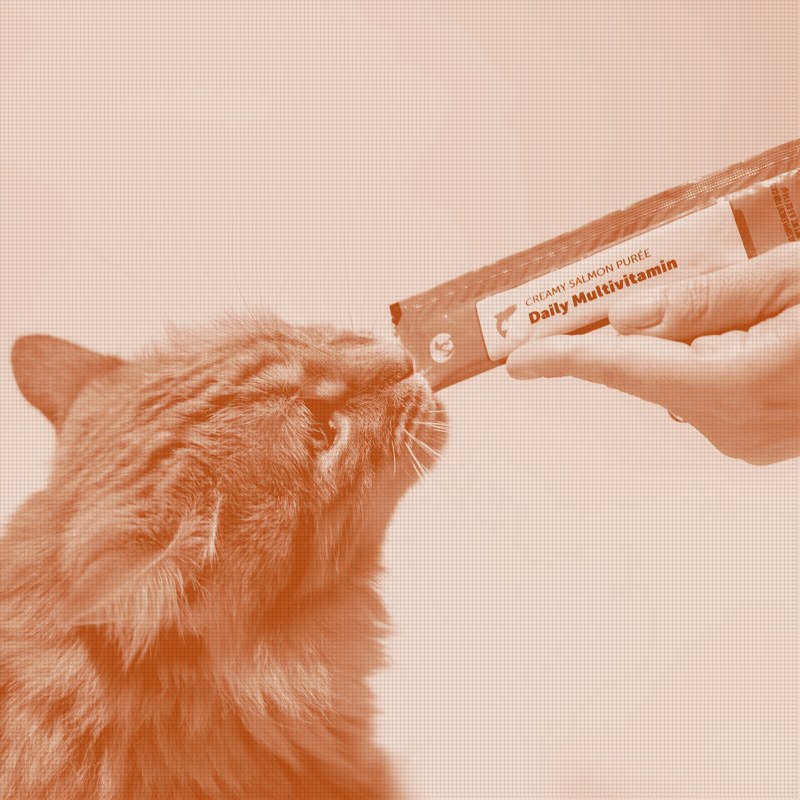
A supplement brand bets that cat compliance is a format problem, not a formula one
Pet Honesty launched Cat Squeezables, eight lickable purée supplements for cats, live on DTC, Amazon, and Chewy now and reaching Petco in August. The actives are commodity; the bet is that the lickable format cats already love solves the supplement-compliance problem that caps the category.
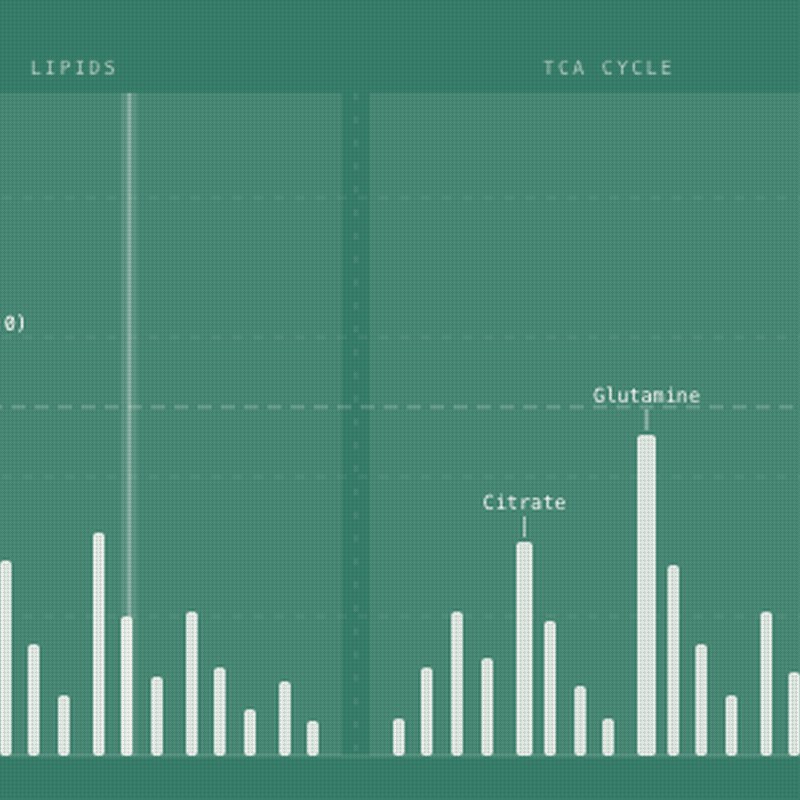
A Dog Blood Test That Reads Several Diseases at Once, Without a Sequencer
LatusPet, an Oxford biotech startup, published peer-reviewed evidence that its metabolomics-and-AI platform screens dogs for cancer and cardiovascular disease from a single blood sample. Unlike PetDx's sequencing-based cancer test, it needs no sequencer and reads multiple conditions at once. The science is proven; distribution, owned by IDEXX and the diagnostic incumbents, is the real hurdle.
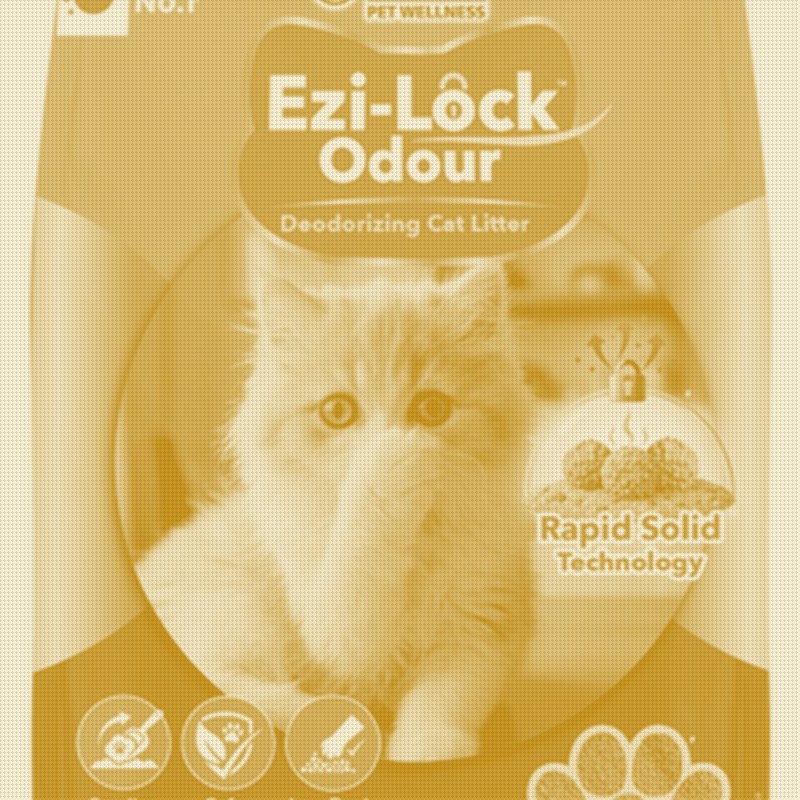
Unicharm Enters India Leading With Litter, Not Food
Unicharm is opening its India pet care business with cat litter and toiletries rather than premium food, riding baby-care and feminine-care distribution it already owns in-country. The sequencing is the lesson: a market entry is a distribution problem before it is a product problem, and diversified CPG giants can enter pet sideways at scale.