
A 150-Year-Old CPG Just Walked Into Whisker's Living Room
BISSELL launched its first dedicated pet care SKUs on May 20: a $399 automatic litter box and a $30 water fountain, both targeting cat households and both priced as a wedge under Whisker's Litter-Robot. The 150-year-old vacuum company is the first CPG of this wave to enter the smart pet appliance category rather than the consumables aisle. The competitive set just changed for Whisker, Petlibro, Catit, and Petkit.

Two products, both for cats, both priced to take share. BISSELL launched its first dedicated pet care SKUs on May 20, leading with a $399 automatic litter box and a $30 water fountain — a deliberate wedge under Whisker’s $699 Litter-Robot 4 and a step above the PetSafe mid-tier. The smart pet appliance category has been a venture-backed pure-play story for a decade. It just got a 150-year-old CPG with retail muscle on the shelf.
BISSELL launches CleanWell Automatic Litter Box and HydrateWell Fountain to open pet care category
BISSELL Homecare announced its entry into pet care on May 20 with two cat-household products: the CleanWell Automatic Litter Box at $399 and the HydrateWell Automatic Water Fountain at $30. The launch is positioned as the opening chapter of the Grand Rapids company’s 150th anniversary year and is paired with a campaign featuring Bravo Southern Charm personality Austen Kroll, who demoed the products at Meow Parlour, New York City’s first cat café.
The SKUs are available on Amazon and what the company describes as “other major online retailers.” Notably absent from the announcement: PetSmart, Petco, Target, or Walmart. Brick-and-mortar specialty pet placement was not named.
BISSELL cites Circana panel data calling it “the No. 1 brand purchased by pet owners” based on percentage of buyers, twelve months ending December 2024. The brand has lived in pet-owner households for decades through vacuums marketed for pet hair, dander, and stain control. The Pet Care line is the first time the company has built products designed for pets rather than for the messes pets make.
The CleanWell uses what BISSELL calls OdorVault Technology, claims storage for up to 20 days of waste in a single-cat household, and includes an app that tracks usage for “health insights.” The HydrateWell features antimicrobial bowl treatment, five-layer filtration, a 2.7-liter tank, and a wireless pump design.
BISSELL is also leaning hard on its mission infrastructure. The BISSELL Pet Foundation, founded by Cathy Bissell in 2011, has impacted more than 1.2 million pets through adoption, transport, spay/neuter, and crisis response. Every purchase routes a portion of revenue to the foundation under the “Every Purchase Saves Pets” mark.
Niari Keverian, Director of Pet Innovation at BISSELL, framed the Kroll partnership as a credibility play: “Austen is the perfect partner for this launch because he doesn’t just speak to today’s cat parents, he is one.”
Why the $399 price point is the actual category news
Strip the celebrity tie-in and the campaign assets, and what is left is a pricing decision that reshapes the smart pet appliance ladder.
Whisker’s Litter-Robot 4 sits at $699 MSRP and has owned the premium self-cleaning litter box category for years. PetSafe’s ScoopFree line spans roughly $100 to $400 depending on model, with the mid-tier crystals models around $200 and the SmartSpin Litter-Robot dupe at $399. Petkit’s Pura X retails at $599, with the newer PuraMax 2 anchoring the premium end. Catit and Petlibro compete on adjacent SKUs (fountains, feeders, mid-price litter solutions).
At $399 with an app and health tracking, BISSELL slots in directly against PetSafe’s SmartSpin, roughly $200 below Petkit’s Pura X, and $300 below Litter-Robot. That is not a market-test price. That is a deliberate wedge designed to pull buyers off the premium tier’s pricing anchor and toward a mid-premium floor.
For Whisker specifically, this is the first time the company faces a competitor with a household-brand acquisition advantage. Litter-Robot has spent years building category dominance through performance marketing and word-of-mouth among cat owners. A 150-year-old household brand with deep pet-owner trust does not need to buy awareness. That changes the LTV-to-CAC math across the category.
The launch SKU mix is deliberately narrow, and that matters. Two products is not a line. It is a beachhead. Both target cat households, which is the category with the most defensible recurring spend dynamics in pet: litter is a true consumable, water fountains have filter replacements. A successful first 12 months unlocks the obvious adjacent moves: dog products, broader cat care, and the natural extension into BISSELL’s existing cleaning footprint via pet-safe formulations. A weak first 12 months caps the experiment at two SKUs and lets the category breathe.
The retail story is incomplete, and that incompleteness is itself a signal. The omission of PetSmart and Petco from the launch announcement is either deliberate, with BISSELL choosing DTC-first to control margin and data, or it is structural, with specialty buyers passing on the SKU mix. Both answers matter. A DTC-first launch from a brand of this scale signals confidence in direct economics. A specialty pass signals the buyers don’t believe a $399 BISSELL litter box turns at their velocity. The next 90 days clarify which.
This is also the third CPG-into-pet entry of the wave. SC Johnson took Mrs. Meyer’s into pet grooming in April. Scrub Daddy entered via licensing earlier in the spring. BISSELL is the first of this group to enter the smart appliance category instead of the consumables aisle, and that changes the competitive set: the room is now Whisker, Petlibro, Catit, and Petkit, not TropiClean and Burt’s Bees.
What retail placement and Whisker’s response will reveal
Specialty pet placement timeline. If BISSELL announces PetSmart or Petco shelf placement in the next 90 days, this is a serious category entry. If the SKUs stay online-only through Q3, the wedge thesis weakens and the launch reads as a 150th anniversary marketing moment rather than a category strategy.
Whisker’s pricing posture. Litter-Robot 4 pricing has been stable for years. The first observable signal of a real competitive response will be either an explicit price adjustment, a bundled-subscription tier (litter delivery + waste bag autoship), or a refreshed product launch dated against BISSELL’s roadmap. Watch Whisker’s Q3 announcements.
The next two SKUs. Two products in May tells you nothing on its own. Two products in May plus four more by September tells you BISSELL is serious about category share. Two products in May with nothing added by year-end tells you this was a campaign, not a category.
The Foundation moat. The “Every Purchase Saves Pets” tie-in is a real differentiator that the venture-backed pure-plays cannot replicate. Litter-Robot does not have a 1.2-million-pet impact story. For mission-aligned shoppers, that is a tiebreaker, and a marketing asset BISSELL can lean on for free that Whisker would have to acquire.
Source: BISSELL Homecare, Inc. company-issued announcement, May 20, 2026.
Other News
More stories shaping the pet industry this week. From funding rounds and product launches to regulatory shifts and retail strategy, stay ahead of what's driving the market.
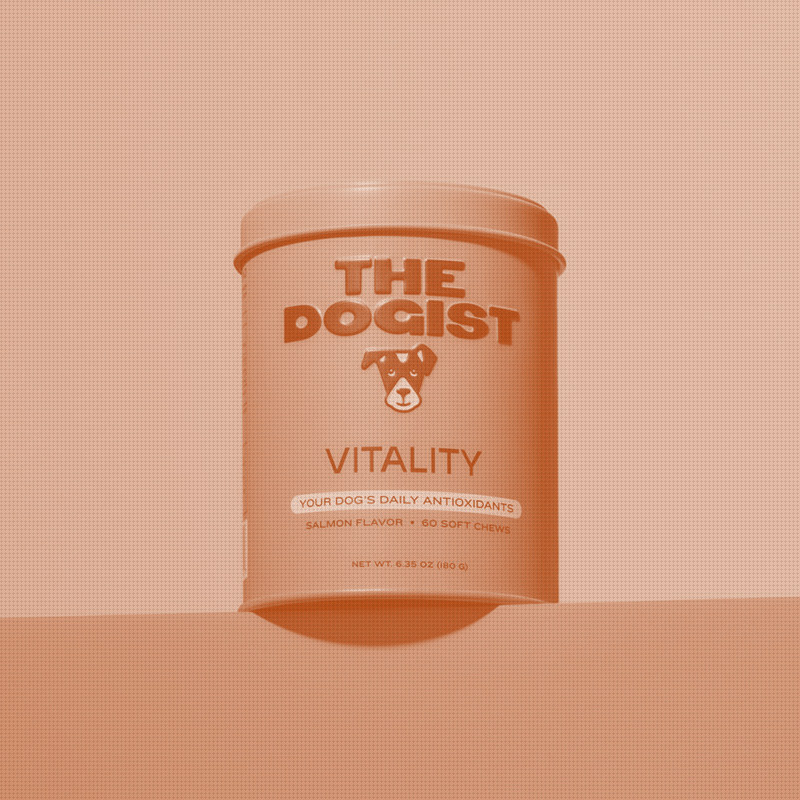
After 13 Years Photographing Dogs, The Dogist Launches Its First Product
Elias Weiss Friedman's picky-eater dog, Elsa, inspired his first product: Vitality, a $35 antioxidant chew developed with a board-certified veterinary nutritionist. Preorders open now ahead of a September 22nd release on The Dogist Company's site and TikTok Shop.
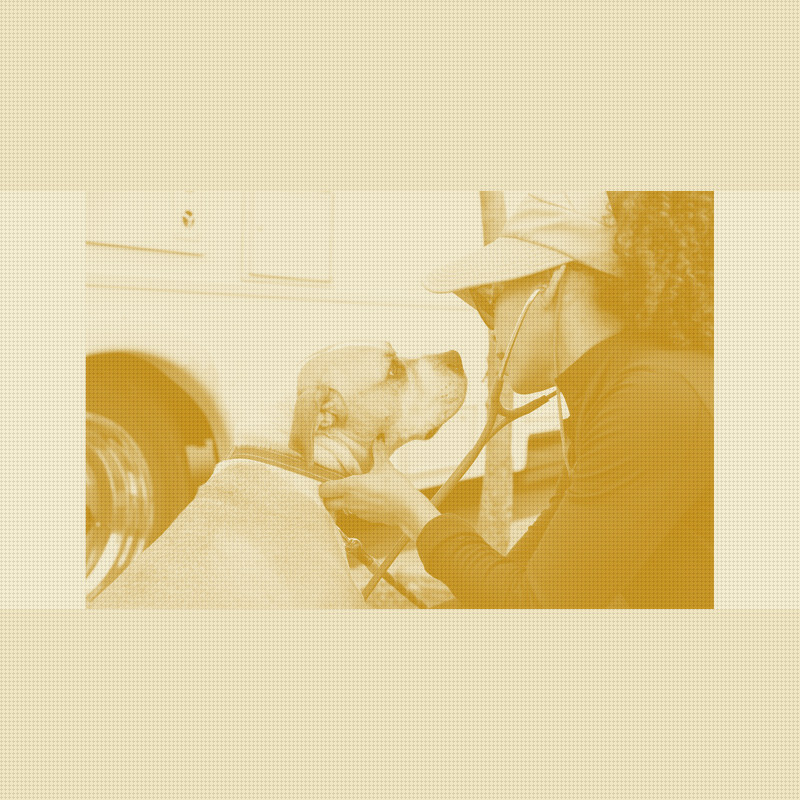
$250M Duffield Pledge Raises the Stakes on Vet Care Access
The Dave & Cheryl Duffield Foundation is committing $250 million over five years to expand nonprofit veterinary care, an initiative it calls the Duffield Big Bet for Pets. The pledge follows PetSmart Charities' $100 million commitment in 2023, pushing dedicated access-to-care philanthropy past $350 million in three years. For operators, the money increasingly funds nonprofit clinic capacity, not just family subsidies.
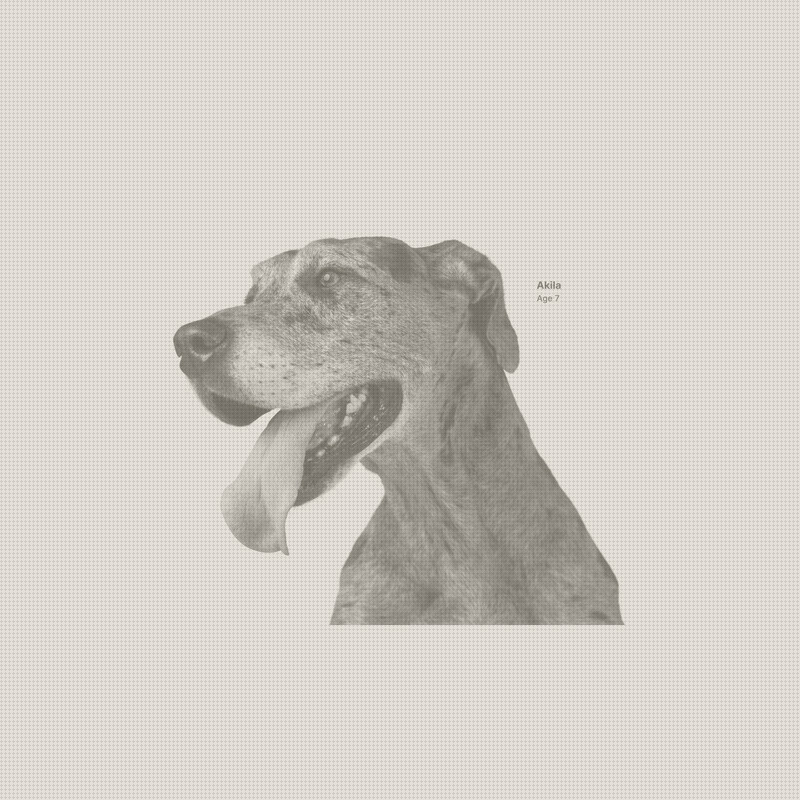
Loyal's Third Longevity Drug Clears the FDA's First Efficacy Bar
Loyal's LOY-003, a large-breed longevity drug targeting the growth hormone/IGF-1 pathway, has cleared the FDA's Reasonable Expectation of Effectiveness bar, the company's third such acceptance. The milestone de-risks Loyal's broader platform even as its furthest-along drug, LOY-002, still awaits a manufacturing review before conditional approval.