
Chase Sapphire Now Treats Pet Spending Like Travel and Dining
Chase Sapphire Reserve added pet stores and veterinary services as a Pay Yourself Back category for Q2 2026, while offering 100% cashback on Pawp's telehealth subscription. The move puts pet spending alongside grocery and dining in Chase's premium rewards ecosystem, signaling that financial services companies are treating pet care as a permanent cardholder retention tool.

Chase Sapphire Reserve added pet stores and veterinary services as a Pay Yourself Back category for Q2 2026, while offering 100% cashback on Pawp's telehealth subscription. The move puts pet spending alongside grocery and dining in Chase's premium rewards ecosystem, signaling that financial services companies now treat pet care as a permanent cardholder retention tool.
What Happened
Chase Sapphire Reserve cardholders can now redeem Ultimate Rewards points at 1.25 cents per point toward pet store and veterinary service purchases through June 30, 2026, as part of the card's rotating Pay Yourself Back categories. Pet joins grocery stores in the Q2 lineup, putting it alongside categories Chase has historically reserved for high-frequency, high-loyalty spending like dining, travel, and streaming.
Separately, Chase is running a targeted offer giving Sapphire Reserve and Sapphire Preferred cardholders 100% cashback (up to $99) on their first Pawp Unlimited Pet Care subscription. The offer, valid through June 30, effectively makes Pawp's 24/7 veterinary telehealth service free for qualifying cardholders.
Pawp, founded in 2020 by Marc Atiyeh, has raised over $16 million and built its growth strategy almost entirely on embedded distribution through premium membership platforms. Walmart+ added Pawp as a permanent benefit for its estimated 30 million members in 2024 after a pilot became the program's most popular limited-time offer. American Express Platinum and Business Gold cardholders access Pawp through their complimentary Walmart+ subscriptions. The Chase deal opens a new channel: affluent consumers who may not be Walmart+ members but carry premium credit cards.
Why It Matters
1. Pet spending is being coded as "premium lifestyle" by financial services. Chase doesn't add Pay Yourself Back categories randomly. The program is designed to drive card engagement and retention among high-value customers. Pet landing alongside grocery, not as a promotional one-off but as a quarterly category, signals that Chase's data shows pet spending is both frequent enough and large enough among affluent households to move the needle on cardholder satisfaction.
2. Pawp's embedded distribution model is becoming the playbook for pet telehealth. Pawp has systematically avoided competing for direct consumer acquisition against incumbents like Chewy's vet services or Petco's telehealth offerings. Instead, it has embedded itself inside platforms that already own the customer relationship: Walmart+ (mass market), Amex Platinum (affluent travelers), and now Chase Sapphire (affluent spenders broadly). Each partner subsidizes the subscription, Pawp gets customer acquisition at near-zero marginal cost, and the platform gets a sticky, emotionally resonant perk.
3. This accelerates the unbundling of veterinary care. Every Pawp subscription activated through Chase is a pet owner who now has 24/7 access to a licensed veterinarian outside the traditional clinic visit. That doesn't replace the vet, but it does change the funnel. For veterinary practice operators already tracking a roughly 3% decline in visits through 2025, the question isn't whether telehealth reduces visit volume. It's whether practices can capture the telehealth touchpoint themselves or cede it to platforms like Pawp.
4. The financial infrastructure around pet care is quietly consolidating. Walmart+ bundles Pawp for retention. Amex layers it into Platinum perks. Chase adds pet as a rewards category and subsidizes Pawp subscriptions. APPA reports the U.S. pet industry hit $158 billion in 2025. Financial services companies are racing to embed themselves in that spending stream because pet expenses are recurring, emotionally non-negotiable, and skew toward exactly the affluent demographics premium cards target.
What to Watch
Does Chase make pet a permanent PYB category? Q2 2026 is a test. If redemption rates are strong, expect pet to become a recurring or permanent category on the Sapphire Reserve.
Pawp's next embedded deal. The Walmart-Amex-Chase trifecta covers mass market and affluent consumers. The obvious next targets: Amazon Prime, Apple Card, or a major health insurer bundling pet telehealth with human health plans.
Veterinary practice response. Corporate veterinary groups and independent practices need to decide whether telehealth is a channel they own or a channel that disintermediates them.
Source: Doctor of Credit
Other News
More stories shaping the pet industry this week. From funding rounds and product launches to regulatory shifts and retail strategy, stay ahead of what's driving the market.

Senior Pets Are 44% of the Market. They Just Got Their First Conference.
Senior Pet Con, the first event built specifically for senior pets, launches September 12-13 as a two-day virtual conference, one day for pet parents and one day of RACE-approved CE for veterinarians. With senior animals at 44% of the U.S. pet population and sponsors like Virbac, Purina, and Loyal Animal Health backing it, the launch signals that senior care is becoming its own commercial category.
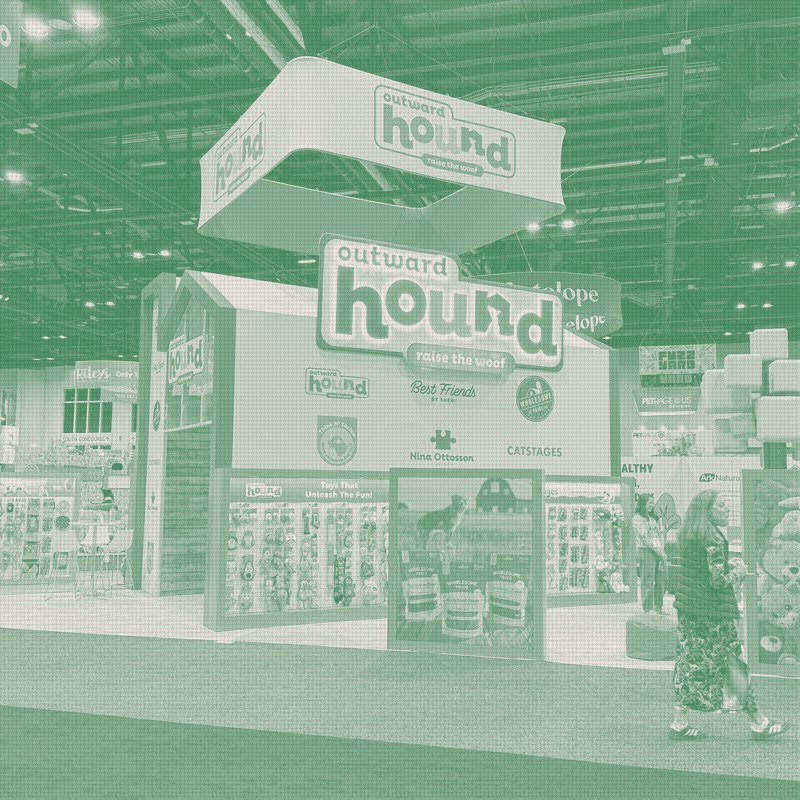
Outward Hound Gets Its Third Private Equity Owner as H.I.G. Takes Control
H.I.G. Capital took majority control of Outward Hound's seven-brand platform, its third PE owner in under a decade and a sign the M&A thaw reached hard goods.

Pet Care's Loyal Customers Hide a Harder Truth: Owners Aren't Paying Themselves
A new benchmarking survey of 457 pet care operators shows a segment with loyal customers and steady growth but chronic under-monetization, low occupancy, thin upsells, and owners who often aren't paying themselves. The "room to scale" story is also a survival story.