
IDEXX Turns Its 80,000-Analyzer Footprint Into a Cardiac Diagnostics Play
IDEXX launched the Catalyst proBNP Test, the first point-of-care assay measuring NT-proBNP in both cats and dogs, rolling out across its 80,000-analyzer installed base starting in October. The launch turns a $4 billion cardiac testing market into a recurring-revenue question for a company that already owns the hardware in most U.S. clinics.

One in six cats and one in ten dogs carry heart disease that typically goes undetected until it becomes an emergency, according to prevalence figures included in a diagnostics launch this week. IDEXX Laboratories is betting a blood test that runs during the appointment, instead of after a referral, can close that gap.
IDEXX launches Catalyst proBNP cardiac test
IDEXX Laboratories introduced the Catalyst proBNP Test on Tuesday, calling it the first point-of-care assay that measures NT-proBNP, a cardiac biomarker, in both cats and dogs from the same in-clinic analyzer.
The test runs on IDEXX's existing Catalyst platform, which the company says sits in roughly 80,000 veterinary clinics worldwide. Results return during the visit rather than after a referral to echocardiography or an outside lab, and feed into VetConnect PLUS alongside the patient's existing diagnostic history.
IDEXX says the assay supports three uses: screening apparently healthy animals for subclinical cardiac disease, confirming a suspected diagnosis, and monitoring disease over time. It also helps distinguish cardiac from noncardiac causes of breathing distress, a call that changes treatment on the spot.
The test becomes available in North America starting in October, with other regions to follow. IDEXX has not disclosed per-test pricing.
IDEXX operates in more than 175 countries and employs roughly 11,000 people, a footprint that gives a North America-first rollout an unusually fast path to scale compared with a smaller diagnostics company launching the same assay from zero installed hardware.
"With Catalyst proBNP, veterinarians get clear, quantitative results in minutes, not days," said Mike Erickson, IDEXX's president and CEO, in the announcement. Dr. Sonya Gordon, a veterinary cardiologist at Texas A&M University, called quantitative point-of-care NT-proBNP testing "an important advancement" for bringing biomarker data closer to the patient.
Why cardiac testing becomes IDEXX's next revenue lever
IDEXX runs the veterinary version of a razor-and-blades model: sell clinics an analyzer, then collect ongoing revenue on every test that runs through it. Roughly 80,000 Catalyst units are already sitting on countertops worldwide, which means proBNP does not require a single new capital sale to reach its full addressable base. It is the same platform IDEXX used in 2024 to add a pancreatitis assay, so this is a company that has run this playbook before.
That installed base changes how the opportunity should be sized. IDEXX pegs the global cardiac testing market at roughly $4 billion. Divided across the existing Catalyst footprint, that works out to an average of about $50,000 in addressable cardiac-testing revenue per analyzer already in the field. That figure is an approximation built by combining the company's own market estimate with its own disclosed unit count, not a number IDEXX has published itself, and actual per-clinic revenue will depend heavily on an adoption rate the company has not forecast.
The sharper implication is competitive. Zoetis runs its own in-clinic chemistry and hematology line, and Mars-owned Antech, which absorbed Heska in a 2023 deal, competes on both point-of-care hardware and reference lab volume. A cardiac biomarker that only IDEXX can run dual-species and in-clinic gives it a category neither rival currently matches, at least until one of them ships a competing assay.
For clinic operators, the practical case is about keeping cases in-house. A vet who suspects heart disease today either refers to a cardiologist for echocardiography or sends blood out and waits days, and both paths risk losing the client relationship or the diagnosis window. A point-of-care result during the visit keeps the workup, and the billing, inside the practice. It is the same in-clinic-economics logic behind Tick Solutions' push to add a 10-minute tick diagnostic to its retail footprint and Zoetis' bet that a longer-acting arthritis shot changes how often a dog needs to see a vet at all: platform companies are increasingly competing on how much of the visit, and the margin, they can capture without sending the case elsewhere.
What the October launch will reveal about adoption
IDEXX has not said how many of its 80,000 installed analyzers it expects to run the new test in year one, which makes the October North America rollout the first real signal. Adoption among general practitioners, not just specialty and emergency clinics, will show whether cardiac screening becomes a routine wellness-visit add-on or stays confined to animals already showing symptoms.
Pricing is the other open variable. IDEXX has not disclosed what clinics will pay per test or how it plans to bundle proBNP into existing wellness panels, and that decision will shape whether veterinarians treat it as a high-margin specialty add-on or a low-cost screening default.
Watch for a response from Zoetis or Antech. Both have expanded their in-clinic menus aggressively over the past two years, and a competing point-of-care cardiac biomarker would erode the exclusivity IDEXX is leaning on for now. IDEXX's next earnings call is the likely venue for early adoption numbers, and for whatever guidance it gives on how much of that $4 billion cardiac market it expects its installed base to actually capture.
International timing is the other thing to track. IDEXX said only that regions outside North America will follow the October launch, without committing to dates. Clinics in Europe and Asia-Pacific run on different capital and consumables budget cycles than U.S. practices, so a multi-quarter gap between the North America launch and a broader international rollout would not be unusual, and it would also delay how quickly the $4 billion market estimate becomes testable against real sales.
Other News
More stories shaping the pet industry this week. From funding rounds and product launches to regulatory shifts and retail strategy, stay ahead of what's driving the market.
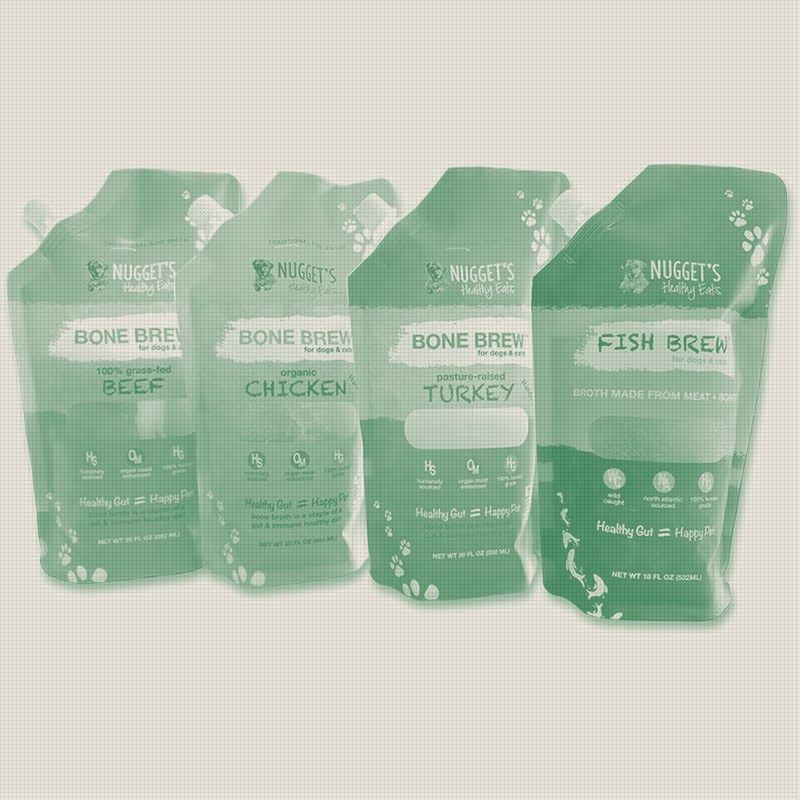
Tucker's Buys Nugget's Healthy Eats, Its Second Brand Absorption This Year
Tucker's Raw Frozen Food acquired bone-broth brand Nugget's Healthy Eats in April, retiring the name and folding its formulas into Tucker's own lineup. It's the second time this year Tucker's has absorbed rather than kept an acquired brand, and the rebranded line debuts this week at SuperZoo.

VAFO Acquires Pets Deli as Its Founder Returns to the CEO Seat
VAFO Group has acquired Berlin-based D2C pet food brand Pets Deli on undisclosed terms, with founder Tania Moser returning as CEO after more than a year as chairwoman. The deal is the second involving a German pet food company The Underbite has tracked in two weeks, and it fits a pattern of manufacturers buying direct customer relationships rather than building them.

Nine Pet Companies that Made the 2026 Inc. 5000
At least nine pet-industry companies, led by veterinary network Petfolk's 2,016% three-year growth, placed on the 2026 Inc. 5000 list of America's fastest-growing private companies. Their range, from consolidated veterinary care to doodle-breed grooming, maps where pet industry money is actually moving.