A Startup Bred the Allergen Out of Dogs.
Kindred Companion Sciences emerged from stealth to unveil two beagles gene-edited with CRISPR to eliminate the major dog allergen, Can f 1. The peer-reviewed science looks solid, but the release discloses no funding, no price, and no plan for turning two allergen-free beagles into an actual product.

One protein, Can f 1, is responsible for roughly 15% of the allergic reactions dogs cause in humans, according to the peer-reviewed study behind this week's announcement. A four-year-old biotech startup, Kindred Companion Sciences, says it used CRISPR gene editing to eliminate that protein entirely, producing two beagle puppies with no detectable allergen in their saliva or dander.
Kindred edits the major dog allergen out of two beagles
Kindred Companion Sciences emerged from four years of stealth operation on August 5th to unveil Alfie and Bailey, female beagles born in September 2024 and edited with CRISPR-Cas9 to remove the gene coding for Can f 1. The company was founded in 2020 by chief executive Matt Walker and co-founder Nick Gavin.
The results cover nearly two years of testing. Skin-prick tests on allergic volunteers produced reactions to hair and saliva from unedited dogs and no reaction to samples from Alfie or Bailey. Whole-genome sequencing found no detectable off-target edits, and veterinary exams describe both dogs developing normally through roughly two years of age.
Walker has said the work is personal. He is allergic to dogs himself, and has described doubting his own results until he confirmed his allergies still triggered around other dogs but not around Alfie or Bailey.
The edit remains investigational. Kindred has not received FDA approval, and the company is explicit that the dogs are not commercially available. The release names no price, no waitlist, and no path to acquiring one.
Why the missing business model matters more than the science
What Kindred didn't disclose is the more interesting story for anyone building in pet care. The release names no funding round, no investors, and no valuation for a company that has spent four years and presumably meaningful capital on embryo-stage gene editing and a multi-year study. It offers no commercialization timeline and no clarity on whether the eventual product is a puppy Kindred breeds and sells directly, a licensing deal with existing breeders, or something else entirely. For a category that lives or dies on distribution, that gap is what operators should watch closest.
The pet industry has one precedent for a scaled allergen-reduction product, and it took a completely different path. Purina's Pro Plan LiveClear, which launched in 2020, neutralizes the cat allergen Fel d 1 through an egg-derived ingredient added to existing cat food, cutting allergen levels by an average of 47% within three weeks of daily feeding. It required no new animals, no breeding program, and no novel regulatory review, and it reached Chewy, PetSmart, Petco and Pet Supplies Plus shelves within months of announcement.
Walker has also framed Kindred's work as a platform, not a one-off. He has said the same editing approach could eventually target additional dog allergens, extend to other breeds, and apply to service and working dogs, where an allergic handler is a bigger operational constraint than it is for someone shopping for a family pet. None of that is priced, scheduled, or funded in this release either.
Kindred's approach can't move that fast, structurally. A germline edit exists only in the animal it was made in and that animal's direct descendants, so scaling means running a breeding program, not a manufacturing line. Anyone who wants a Kindred dog is, for now, waiting for Alfie or Bailey to have puppies, not walking into a pet store.
That distinction is the real story here. LiveClear proved allergen-reduction products can move real retail volume in a single season. Kindred's science, if it holds up through FDA review, expands what's technically possible at the genetic level rather than the dietary one. But a platform that requires breeding an entire new supply chain from two beagles is a fundamentally different, slower business than a shelf-stable food additive, and the gap between "the science worked" and "there's a product to sell" is where most gene-editing companies in agriculture have spent years.
What Kindred's FDA review will decide next
The FDA's Center for Veterinary Medicine has ruled on genome-edited animals only twice before, and the two cases point in opposite directions. AquaBounty's AquAdvantage salmon took roughly 25 years from first application to approval in 2015, the slow path reserved for edits that introduce genetic material from another species into the animal.
A faster precedent also exists. Heat-tolerant cattle developed by Recombinetics moved through FDA review in about two years, after the agency classified the edit as low-risk because the same slick-coat trait already exists naturally in other cattle breeds through conventional breeding.
Kindred's edit doesn't obviously fit the fast lane. Removing Can f 1 doesn't mimic a trait that already occurs naturally in some dog breeds, the way the cattle edit did, which makes the slower, salmon-style review the more likely path, though the FDA has never ruled on a case exactly like this one.
Three things are worth watching from here. Whether Kindred discloses a funding round now that it is out of stealth. Whether it clarifies a distribution model beyond the two beagles it has today. And which regulatory pathway the FDA signals it will use. Any one of the three would turn this from a peer-reviewed science story into a business one operators can actually plan around.
Other News
More stories shaping the pet industry this week. From funding rounds and product launches to regulatory shifts and retail strategy, stay ahead of what's driving the market.
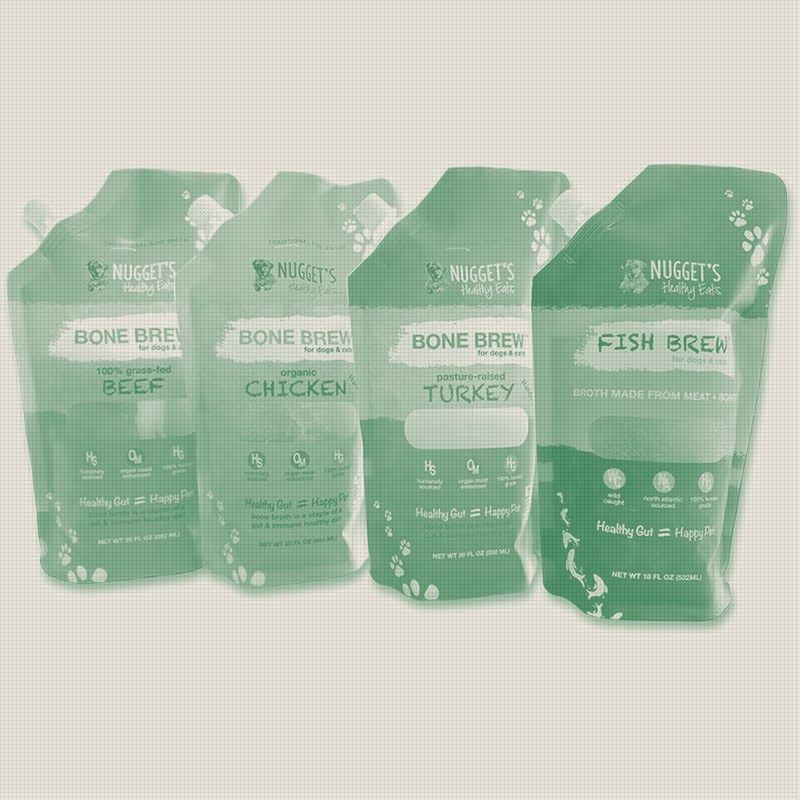
Tucker's Buys Nugget's Healthy Eats, Its Second Brand Absorption This Year
Tucker's Raw Frozen Food acquired bone-broth brand Nugget's Healthy Eats in April, retiring the name and folding its formulas into Tucker's own lineup. It's the second time this year Tucker's has absorbed rather than kept an acquired brand, and the rebranded line debuts this week at SuperZoo.
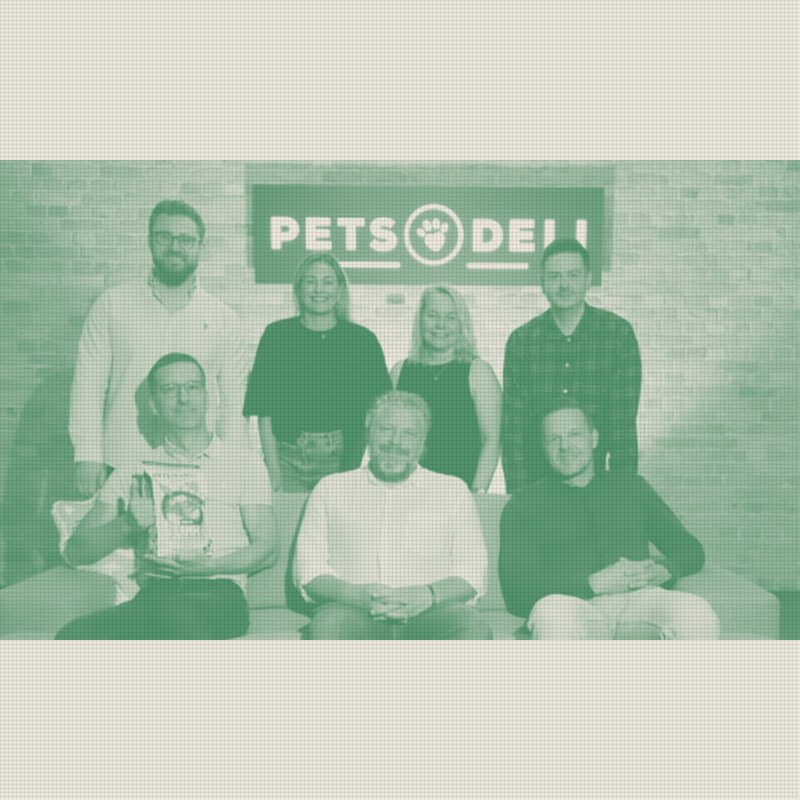
VAFO Acquires Pets Deli as Its Founder Returns to the CEO Seat
VAFO Group has acquired Berlin-based D2C pet food brand Pets Deli on undisclosed terms, with founder Tania Moser returning as CEO after more than a year as chairwoman. The deal is the second involving a German pet food company The Underbite has tracked in two weeks, and it fits a pattern of manufacturers buying direct customer relationships rather than building them.
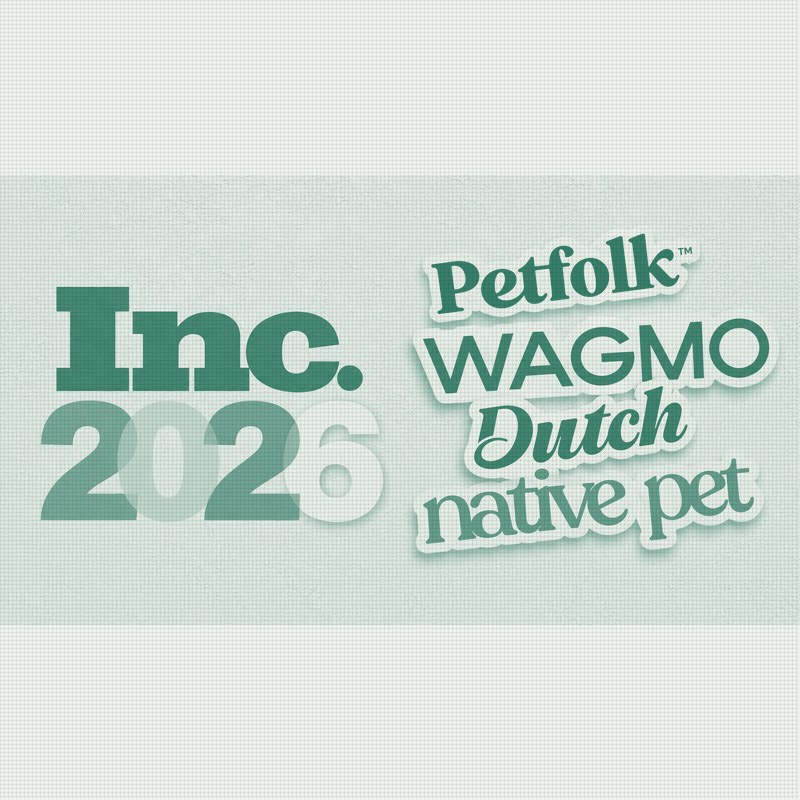
Nine Pet Companies that Made the 2026 Inc. 5000
At least nine pet-industry companies, led by veterinary network Petfolk's 2,016% three-year growth, placed on the 2026 Inc. 5000 list of America's fastest-growing private companies. Their range, from consolidated veterinary care to doodle-breed grooming, maps where pet industry money is actually moving.