Loyal Raises $100M to Bring the First Canine Longevity Drug to Market
Loyal has raised $100 million in Series C funding led by age1, bringing total capital past $250 million. With two of three FDA requirements cleared for its lead drug LOY-002, the company is shifting from clinical development to commercial launch preparation, creating an entirely new drug category in veterinary medicine.
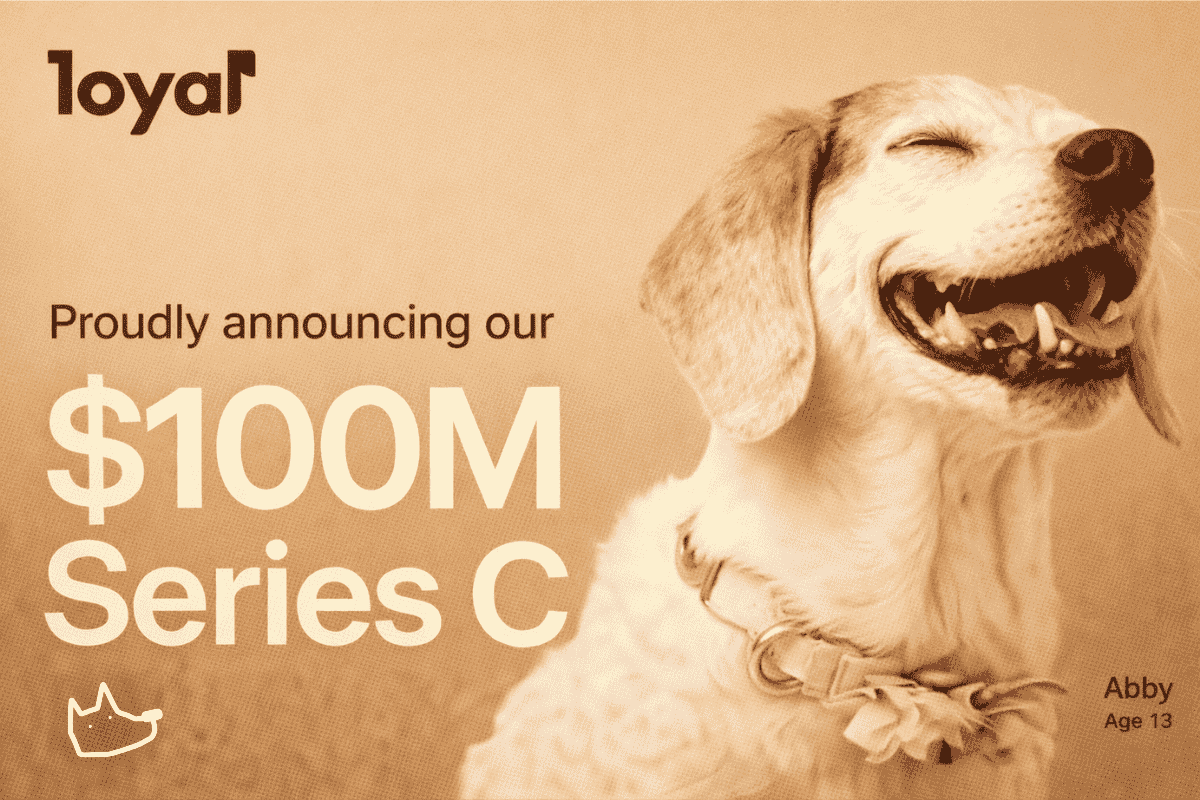
Loyal, the clinical-stage biotech developing the first FDA-approved lifespan extension drug for dogs, has closed a $100 million Series C led by age1, bringing total funding past $250 million. With two of three major FDA requirements already cleared for its lead drug LOY-002, this isn't speculative biotech capital. It's launch money for a drug category that didn't exist five years ago.
What Happened
Loyal announced the $100M Series C on February 11, led by age1, the longevity-focused venture firm co-founded by Laura Deming and Alex Colville. Baillie Gifford, the Edinburgh-based institutional investor known for early bets on Tesla and Amazon, also participated alongside existing backers including Khosla Ventures, Bain Capital Ventures, and First Round Capital.
The round brings Loyal's total raised to over $250 million since CEO Celine Halioua founded the company in 2019. Prior rounds: an $11M seed in 2020, a $27M Series A in 2021 led by Khosla Ventures, and a $45M Series B in 2024 with Bain Capital Ventures and Valor Equity Partners joining.
Loyal's lead candidate, LOY-002, is a daily prescription pill targeting metabolic drivers of aging in senior dogs. The FDA has now accepted both the Reasonable Expectation of Effectiveness (RXE) and Target Animal Safety (TAS) sections, satisfying two of the three major technical requirements for Expanded Conditional Approval (XCA). The remaining requirement is manufacturing compliance.
The pivotal STAY study (1,300 dogs across 70 veterinary clinics) completed enrollment in mid-2025 and represents the largest clinical trial in veterinary medicine history. If approved, LOY-002 would be the first FDA-approved drug for lifespan extension in any species.
Halioua said the Series C "provides the capital required to move from late-stage development to market readiness." Funds will go toward final regulatory work, commercial launch preparation, team expansion, and continued investment in Loyal's scientific platform.
Why It Matters
This round marks a category inflection point. Loyal isn't just raising money. It's funding the commercialization of an entirely new drug class in animal health.
1. The investor mix signals institutional conviction. age1 leading is expected; Deming's fund has backed Loyal since inception. Baillie Gifford participating is not. The firm manages over £230 billion in assets and typically invests in companies it believes can dominate a category over decades. Their presence on the cap table tells incumbent animal health companies (Zoetis, Elanco, Boehringer Ingelheim) that serious capital sees Loyal as a long-term platform, not a single-product bet.
2. The FDA pathway is de-risked, not risk-free. Two of three XCA hurdles cleared is meaningful progress. But manufacturing compliance, the remaining gate, is where clinical-stage biotechs frequently stumble on their way to market. Loyal needs to prove it can produce LOY-002 at commercial scale with the consistency FDA requires. The $100M gives them runway to solve this without rushing.
3. This creates a new revenue category for veterinary practices. If LOY-002 reaches market, every vet clinic in the country gains access to a recurring-revenue prescription product for senior dogs. Unlike one-time treatments, a daily longevity pill creates ongoing dispensing revenue. For corporate veterinary consolidators (Mars Veterinary Health, NVA, Pathway Vet Alliance), this is a new line item worth modeling.
4. The competitive landscape is forming around Loyal. The Dog Aging Project's rapamycin research and various pet weight-loss drug programs are adjacent, but nobody else has FDA acceptance for lifespan extension efficacy data. Loyal's regulatory lead is substantial. Competitors would need years to replicate the STAY study alone. The question isn't whether competitors emerge, but whether Loyal can convert its head start into market dominance before a major animal health player either builds or acquires its way in.
5. Valuation implies a billion-dollar-plus outlook. While Loyal hasn't disclosed its post-money valuation, $250M+ in total funding for a pre-revenue biotech suggests investors are pricing in blockbuster drug economics. For context, more than half of U.S. dogs are now classified as seniors, roughly 45 million animals out of an estimated 87 million pet dogs. Even at modest penetration and pricing, a daily prescription targeting that population represents a multi-billion-dollar addressable market.
What to Watch
Manufacturing milestone: The final XCA requirement. Watch for Loyal to announce FDA acceptance of its Chemistry, Manufacturing, and Controls (CMC) section. That's the last gate before conditional approval and commercial launch.
STAY study readout: The pivotal trial data will determine whether LOY-002 converts from conditional to full FDA approval. Early signals from the 1,300-dog study will shape how aggressively Loyal can price and market the drug.
Pricing and distribution model: How Loyal brings LOY-002 to market matters enormously. Direct-to-vet? Through distributors like Patterson or McKesson? Pricing per-month for a daily pill will determine whether this becomes a mass-market product or a premium offering. Operators should watch for partnership announcements with veterinary distributors or corporate clinic groups.
Incumbent response: Zoetis, Elanco, and Boehringer Ingelheim have the distribution networks Loyal lacks. If LOY-002 validates the category, expect M&A interest or competing pipeline announcements. Loyal's $250M+ war chest may be as much about maintaining independence as funding operations.
Human longevity spillover: Loyal's scientific platform generates aging data at a pace human longevity research can't match. Dogs age faster, enabling shorter trial timelines. Watch for Loyal to signal any human-health ambitions, which would dramatically change the company's valuation trajectory.
Source: Loyal press release via Business Wire
Other News
More stories shaping the pet industry this week. From funding rounds and product launches to regulatory shifts and retail strategy, stay ahead of what's driving the market.
Leap Venture Studio Opens Applications for a Record-Chasing Cohort 11
Leap Venture Studio is accepting applications for Cohort 11 through October 18th, returning to a spring start after a record 300-plus applications for Cohort 10. The program offers portfolio startups mentorship, capital, and access to investors from Mars Petcare, TAW Ventures, and Michelson Found Animals, with this cycle prioritizing pet healthspan, feline-first care, senior pets, dental health, and allergy solutions.
Oxyfresh's New Dental Powder Enters a Category Everyone's Suddenly Chasing
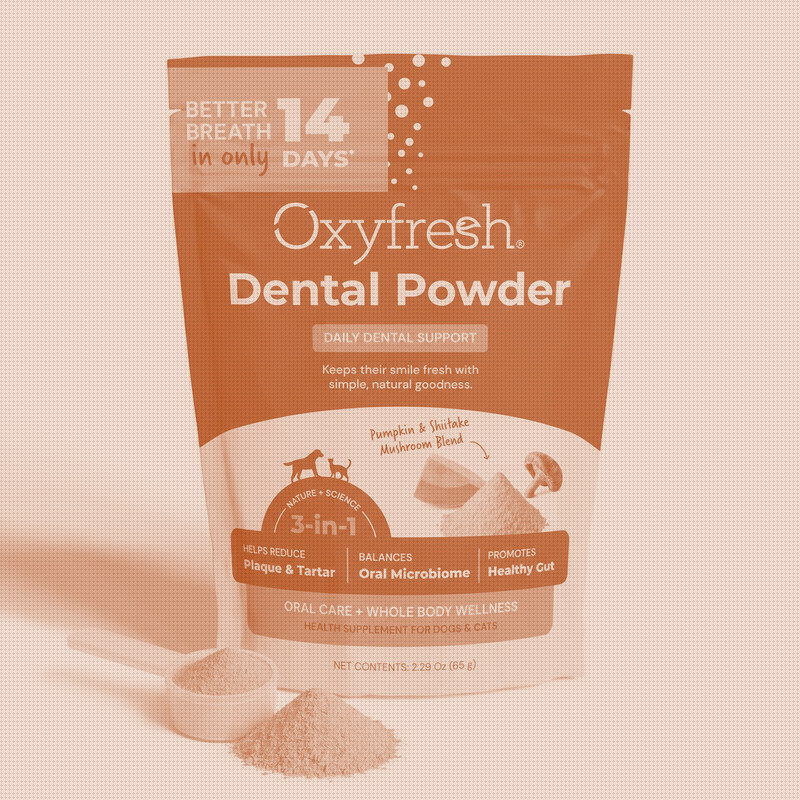
Oxyfresh launched a Triple Biotic dental powder for cats and dogs, joining Prodogi's dissolvable strip and Wuffes' competing powder in a pet dental category now growing 7.31% a year. The real test is repurchase data, not launch claims.
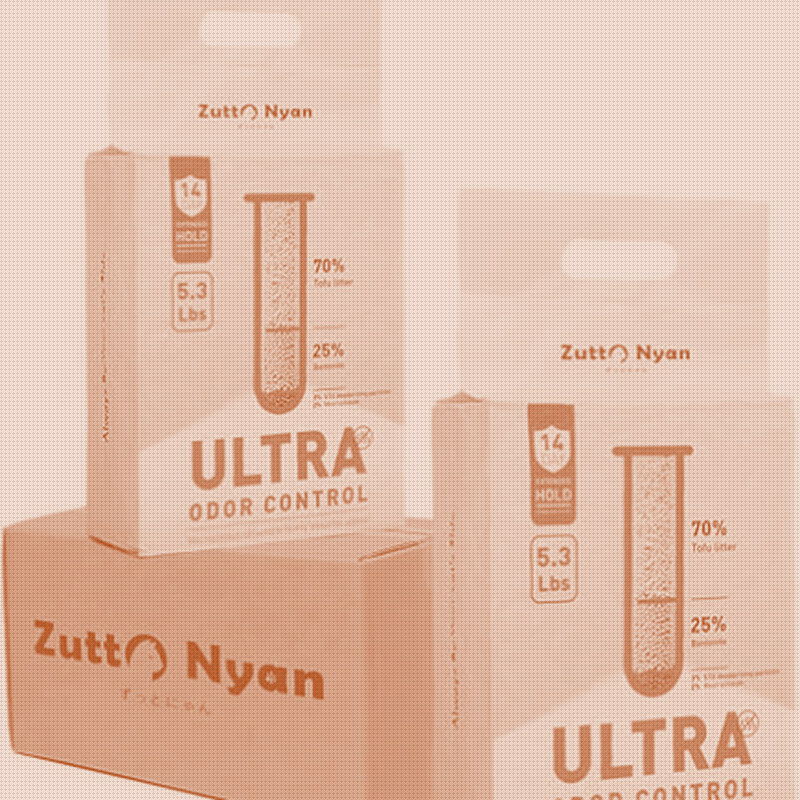
ZuttoNyan Brings an Unverified 'No. 1 in Japan' Claim to the US
ZuttoNyan launched tofu and cassava cat litter in the US via TikTok Shop and Amazon, branding itself Japan's No. 1 mixed litter maker. Its own prior release shows it entered Japan just 13 months earlier, with no data behind the claim.