A Fresh-Food Franchise Enters Raw, Betting In-House Kitchens Undercut the National Brands
Natural Hounds, a fresh dog food franchise, launches a raw line on August 1 made in-house and batch-tested for safety. The real story is the cost structure: raw as a line extension off existing kitchens, priced below national warehouse brands, inside a franchise model reporting unit-level EBITDA margins in the low-to-mid 20% range.

Raw dog food splits between national brands produced at centralized plants and shipped frozen, and small local operators without that scale or infrastructure. Natural Hounds is betting a third option, fresh product made in its own open kitchens, can take the middle.
The fresh-food franchise adds a raw line on August 1, and the cost structure underneath it is the real story.
Natural Hounds adds an AAFCO-certified raw line made in its own kitchens
The raw line goes on sale August 1, in-store and online at Natural Hounds. Every recipe is complete and balanced to AAFCO standards, made fresh in the company's open-concept kitchens, and batch-tested for bacterial contamination before it reaches a customer.
The recipes lean on the same suppliers and formulation work behind the brand's decade-old cooked line, which is the point: raw is an extension of an operation that already exists, not a new product built from scratch.
Packaging is a deliberate jab at the category. Most frozen raw ships in chubs, the ground-sausage tubes owners find awkward to open and store. Natural Hounds uses the same resealable 1- and 2-pound containers as its cooked meals.
Raw becomes a sixth revenue stream for franchisees, alongside cooked meals, treats and supplements, memberships, local delivery, and sample packs. Pricing matches the cooked line and comes in below comparable competitors on a per-30-pound basis, an economy the company credits to producing in-house rather than paying for third-party warehouse manufacturing.
"There's a massive gap in this market, and we're built to own it," said co-founder Conor Wooley, framing the launch as setting a standard for locally made, certified raw. To seed trial, the brand is offering free sample packs, price matching for customers with bulk pricing elsewhere, and 50% off the first box.
Natural Hounds started in 2018 at the Port Jefferson Farmer's Market on Long Island and now runs two corporate storefronts there.
Why in-house production changes the raw category's cost math
Raw and fresh is the fastest-moving corner of pet food. The raw, fresh, and frozen dog food market runs close to $20 billion in 2026 and is growing about 6% a year, with the fresh segment specifically expanding north of 20% annually. Demand is loyal and supply is fragmented, which is the opening Natural Hounds is aiming at.
The incumbents in raw are warehouse operations. Stella & Chewy's, Instinct, and Primal produce frozen or freeze-dried product at central plants, apply high-pressure processing for safety, and ship it cold through retail and e-commerce. That model wins on distribution and price at scale. It does not win on freshness or local production, and it forces the chub-and-cold-chain experience onto the owner.
Natural Hounds is running the opposite play: vertical integration at the storefront. Because it already owns the kitchens, suppliers, and a cooked line carrying the fixed cost, raw slots in as a line extension rather than a capital project. That is what lets the company claim price parity with its own cooked meals and a discount to national raw per pound.
The unit economics are unusually public for a brand this small. Natural Hounds' Port Jefferson flagship posted unit-level EBITDA margins in the low-to-mid 20% range for the year ending June 2025, per a SharpSheets analysis of the company's Franchise Disclosure Document. For a food-production storefront, a margin in that range is the number the whole franchise pitch rests on.
The franchise terms are built to move. Natural Hounds charges a $30,000 franchise fee and a 4% royalty for its first franchisees, among the lowest in the portfolio of its development partner, Fransmart, the firm that scaled Five Guys and QDOBA. Adding a high-demand category to that model is a way to lift average unit volume without adding a new operation.
The catch shadows every raw launch: contamination and recalls. Raw is the most recall-prone category in pet food, and batch testing is both the credibility play and a recurring cost. In a franchise system, each kitchen is its own production site, which multiplies the food-safety surface across operators who are not the founders.
What a two-unit proof point has to prove at franchise scale
The evidence base is still thin. Two corporate units generate the EBITDA figure the pitch leans on, and nationwide franchising only opened in October 2025. The raw line gives franchisees more to sell, but the concept has yet to show it replicates off Long Island.
The signals worth tracking over the next year are concrete. How many franchise units actually open, and whether they land near the Port Jefferson margin. Whether distributed in-house raw production holds a consistent food-safety standard once the people running the kitchen are franchisees rather than the founders. And whether a sixth revenue stream lifts unit economics or simply adds SKU complexity to a lean model that sold itself on being simple.
For anyone building in fresh or raw, the bet on display is that local production is a moat rather than a constraint. The August 1 launch starts the test. The franchise-unit count over the next few quarters is what answers it.
Source: Natural Hounds company-submitted announcement, July 21, 2026.
Other News
More stories shaping the pet industry this week. From funding rounds and product launches to regulatory shifts and retail strategy, stay ahead of what's driving the market.
An Angel Network of Vets Backs a Platform That Pays the Clinic Before the Client Leaves
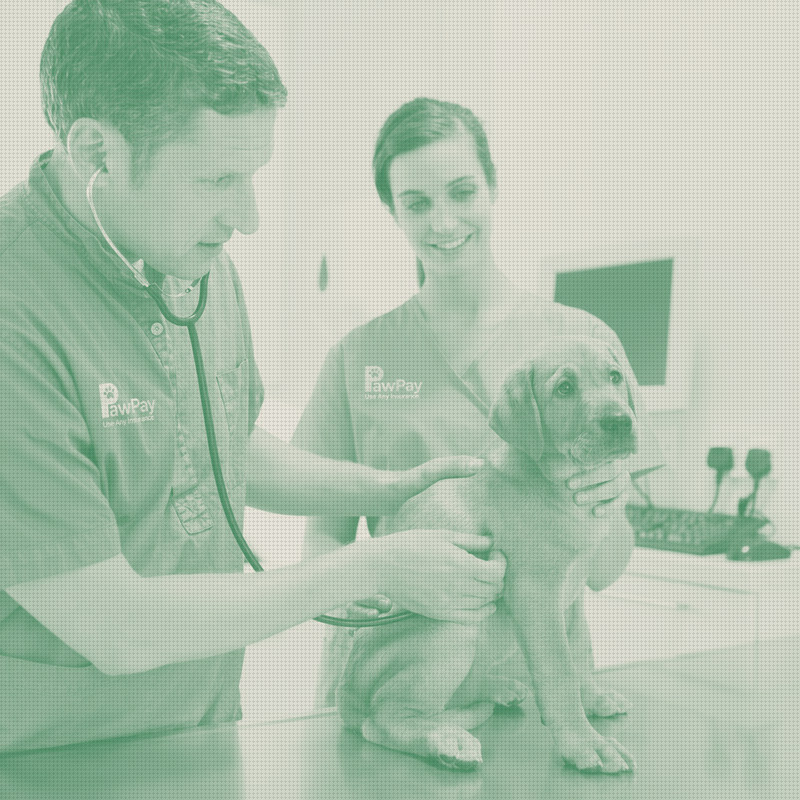
PawPay has become the newest portfolio company of the Veterinary Angel Network for Entrepreneurs on undisclosed terms. Acting as an authorized collection agent, the platform verifies coverage at checkout, collects only the owner's deductible and coinsurance, pays the clinic in full within minutes, and manages reimbursement with the carrier. It is free for practices to join and targets the direct-pay experience Trupanion has largely owned.
Mars Picks a Coca-Cola Executive to Run Pet Food's Biggest Regional Business
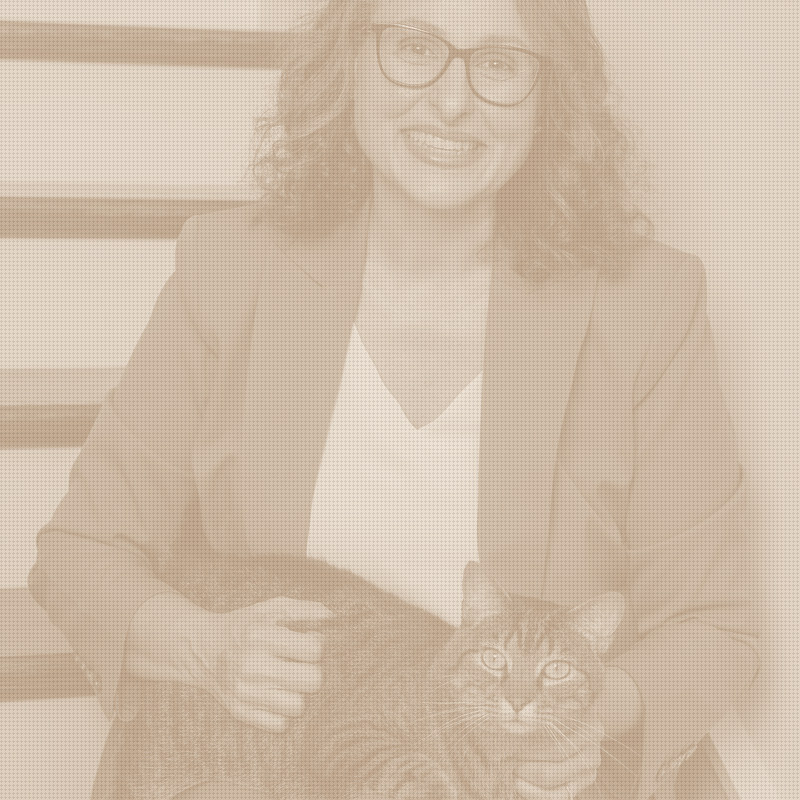
Mars named Christina Ruggiero, who ran a $9 billion Coca-Cola nutrition portfolio, Regional President of Mars Pet Nutrition North America effective July 1. The industry's largest pet food company keeps staffing its biggest region from mega-CPG, and the choice says plenty about where the North American fight is heading.
CVS's 9,000-Store Pet Meds Launch Comes for the Vet Pharmacy Margin
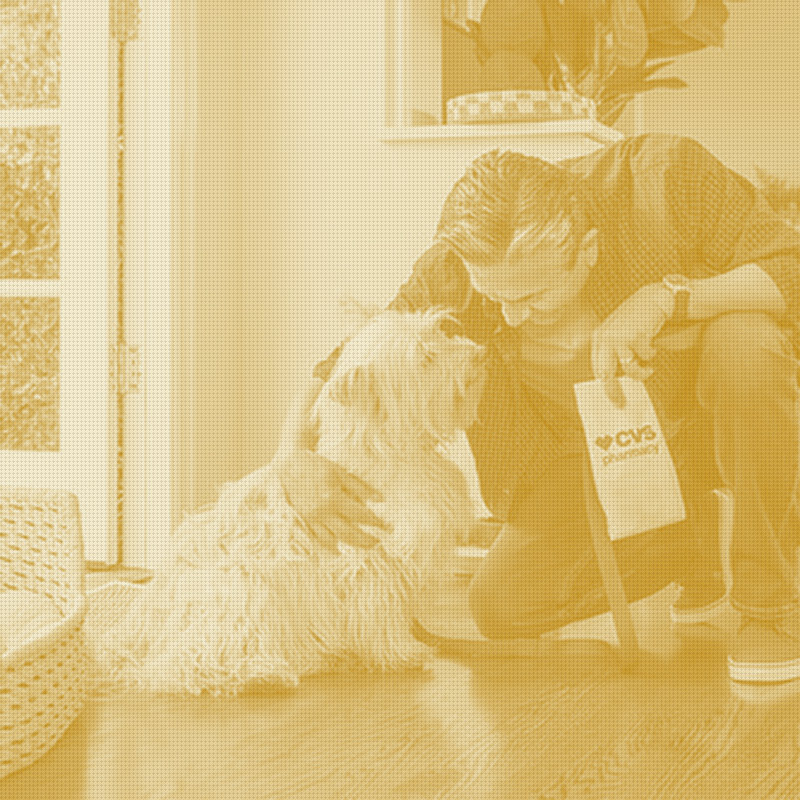
CVS Health switched on prescription pet medication dispensing at roughly 9,000 pharmacies nationwide, with app-based pet profiles and e-prescribing due within months. With human-generic pricing behind it, the highest-margin line in the vet clinic P&L just got a national competitor.