NVA's New Board Seats Read Like an IPO Checklist
NVA seated two public-company directors on July 9, ten weeks after hiring an IPO-veteran CFO, and the governance build-out now reads like a pre-IPO checklist.

Independent directors with public-company audit-committee credentials are the piece a private company adds last, right before it files to go public. National Veterinary Associates just added two of them on July 9, ten weeks after installing the CFO who took Elanco public. The vet industry's largest consolidator now has nearly every governance box checked.
NVA seats two public-company directors, ten weeks after an IPO-veteran CFO
NVA announced Thursday that Laura Tortorella and Tina Hunt joined its board of directors, effective immediately.
Tortorella is the CEO of AccentCare, a national post-acute and in-home healthcare provider, and brings more than 20 years running complex healthcare organizations, with depth in operations, supply chain, pharmacy, and laboratory services. Hunt spent two decades in executive roles at IDEXX Laboratories, where she helped scale the diagnostics business into a multibillion-dollar revenue engine. She also sits on the board of Veeva Systems, where she serves on the audit committee.
NVA operates roughly 1,300 locations across North America, spanning general practice hospitals, the Ethos Veterinary Health specialty and emergency network, equine practices, and pet resorts. JAB acquired the platform from Ares Management and OMERS in 2019, when it counted about 670 hospitals and 70 pet resorts, then bulked up the specialty side with Ethos, reported at $1.65 billion. The location count has nearly doubled under JAB's ownership.
The board news lands in a sequence that has been building for over a year. In May 2025, NVA named Ken Burdick, the former WellCare CEO who now serves as executive chairman of publicly traded LifeStance Health, as its own executive chairman, in an announcement that said, in its headline, "ahead of future IPO." In April 2026 it hired Todd Young as CFO, the man who was Elanco's CFO through its separation from Eli Lilly and its public debut. Board chairman Greg Hartmann remains in his seat.
Why the board build-out reads as a pre-IPO checklist
Companies do not hire IPO-veteran CFOs and audit-committee-experienced independent directors to stay private. US listing rules require newly public companies to build majority-independent boards and fully independent audit committees on a defined clock after listing, and sponsors prefer that roster seated well before the roadshow.
Hunt's profile is precisely what an S-1 needs: animal-health operating experience plus current public-company audit committee service. Tortorella's is the other half, a sitting CEO who runs labor-intensive, multi-site healthcare services, the closest human-health analog to what a vet consolidator actually does. NVA is not adding retail or CPG polish. It is adding people who can govern clinic economics in public.
An NVA listing would also give the entire roll-up era its first public comp. No pure-play US veterinary consolidator trades at NVA's scale. The UK has one in CVS Group, but the American consolidation wave has happened entirely behind private walls, with Mars keeping VCA and Banfield inside a private conglomerate and investors settling for adjacent proxies like IDEXX or Chewy.
An S-1 would put the actual unit economics of consolidated vet medicine on display for the first time: same-store visit trends, DVM labor cost inflation, specialty versus general practice mix, and de novo versus acquired growth. Every PE-held platform still waiting for an exit would get marked against those numbers, whether it likes the mark or not.
The timing question is demand. Veterinary visits have been declining for years, a trend the industry has papered over with pricing, and the demographic forecast suggests the puppy cohort will not bail anyone out soon. That is the problem Hunt has watched solved before, since IDEXX spent the last decade growing revenue per visit through diagnostics attach even as visit counts sagged. Expect an NVA equity narrative built on revenue per patient, specialty mix, and pet-resort attach rather than raw traffic.
Meanwhile JAB has spent 2026 tidying the rest of its pet portfolio, folding its insurance brands into Doubtless and handing business development to dedicated dealmakers. The ecosystem logic is visible: insurance funds the care, clinics capture it, and an IPO crystallizes value on the clinic side while the insurance side scales privately.
What tells you the S-1 is actually coming
The board itself. Additional independent directors, committee assignments, and any transition of chairman Greg Hartmann's seat would each mark another step down the checklist.
The harder signals. Auditor and underwriter selection, reports of a confidential S-1 filing, and any JAB commentary on exit sequencing. JAB has run this play before, taking JDE Peet's and Krispy Kreme public from its portfolio.
The competitive narrative. Chewy is buying its way into vet care, and Bond Vet and Small Door just merged to build a VC-backed alternative to the PE roll-up model. NVA will have to explain to public investors why 1,300 locations is a moat rather than a maintenance burden.
For operators, the payoff is information. An NVA S-1 would be the most detailed public dataset on veterinary clinic economics ever published: DVM compensation trends, relief-labor spend, same-store revenue splits between price and volume, and how much of a consolidator's margin actually survives its integration costs. Clinic sale processes would re-anchor to public multiples within quarters, in both directions. If you are building, buying, or selling anything vet-adjacent, the disclosure documents will be worth more to you than the stock.
Other News
More stories shaping the pet industry this week. From funding rounds and product launches to regulatory shifts and retail strategy, stay ahead of what's driving the market.
An Angel Network of Vets Backs a Platform That Pays the Clinic Before the Client Leaves
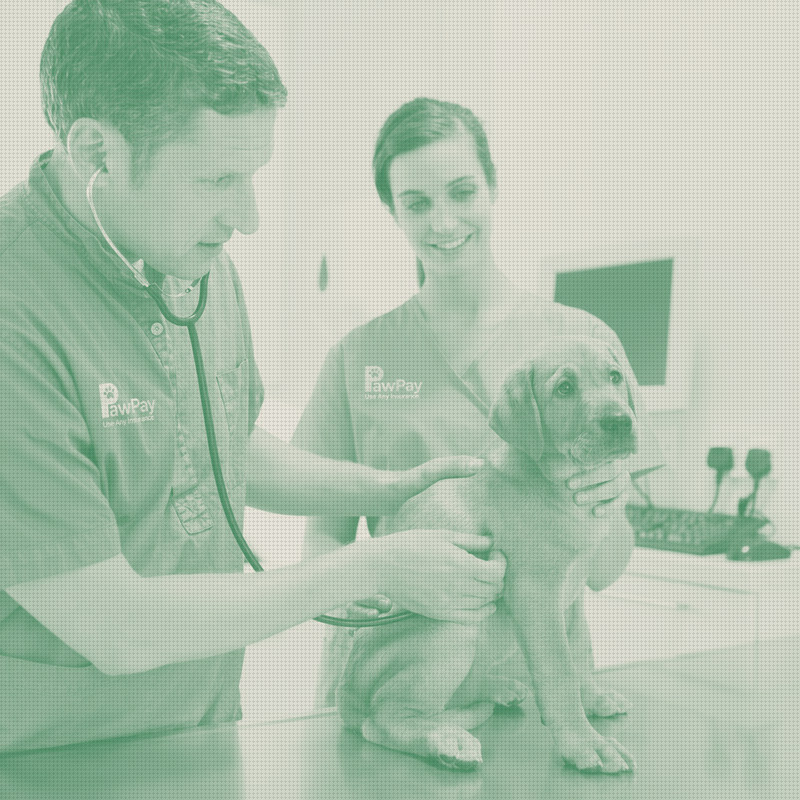
PawPay has become the newest portfolio company of the Veterinary Angel Network for Entrepreneurs on undisclosed terms. Acting as an authorized collection agent, the platform verifies coverage at checkout, collects only the owner's deductible and coinsurance, pays the clinic in full within minutes, and manages reimbursement with the carrier. It is free for practices to join and targets the direct-pay experience Trupanion has largely owned.

CVS's 9,000-Store Pet Meds Launch Comes for the Vet Pharmacy Margin
CVS Health switched on prescription pet medication dispensing at roughly 9,000 pharmacies nationwide, with app-based pet profiles and e-prescribing due within months. With human-generic pricing behind it, the highest-margin line in the vet clinic P&L just got a national competitor.

Purina's $644M Italy Plant Bets the Premium Fight on Wet Food, Not Fresh
Nestlé Purina confirmed a CHF 520 million ($644 million) superpremium wet pet food factory in Mantova, Italy, with production starting in 2029. The category leader is betting Europe's premium migration lands on shelf-stable wet rather than refrigerated fresh — and the three-year capacity gap before the plant opens is the operator opportunity.