
Purina Splits Tidy Cats Into Three SKUs to Block DTC Litter Challengers
Tidy Cats Performance+ launched on May 26 with three single-problem SKUs at matched $16.69 pricing. The move is a positioning concession to Pretty Litter and the DTC litter wave, meeting them on their own architecture at mass-shelf pricing.
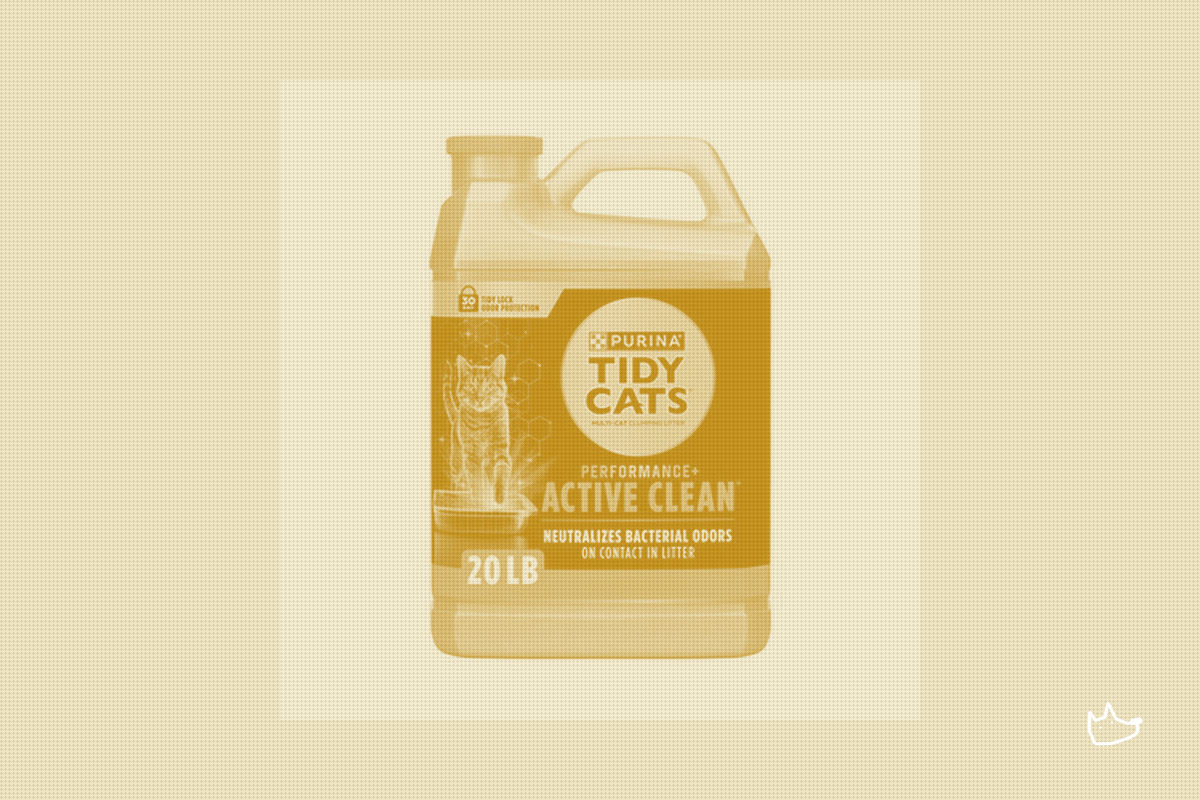
The largest cat litter brand in America just acknowledged what the DTC litter category has argued for years: one bag cannot solve every litter box problem. Tidy Cats' new Performance+ line replaces the do-everything pitch with three single-problem SKUs at identical prices, a positioning move aimed at the premium challengers, not at the litter aisle's other incumbents.
Tidy Cats Performance+ launches three single-problem SKUs at $16.69
Nestlé Purina PetCare launched Tidy Cats Performance+ on May 26 with a three-product line, each designed to address one of the most common reasons cat owners cite for litter box dissatisfaction.
The lineup:
Performance+ Active Clean targets odor. Purina claims 100% more odor-fighting agents than the leading clumping litter, 30 days of odor control, bacterial-odor inhibition on the litter itself, and 99.9% dust-free formulation. Marketed for multi-cat households.
Performance+ Power Clump targets clumping strength. Purina claims 33% more clumping agents than the leading clumping litter, enhanced swelling clay, optimized particle size, and 21-day odor control via activated charcoal. Unscented.
Performance+ Tidy Feet targets tracking. Purina claims 64% less tracking than the leading clumping litter. Available in unscented and Clean Linen scent variants with 21-day odor control.
All three SKUs are sold at $16.69 SRP across three pack sizes (20-pound jug, 22-pound box, and 35-pound pail) through both pet specialty and grocery channels. Purina built reward-points integration into the myPurina app to attach loyalty mechanics to the launch.
Purina pet behaviorist Miles Bensky tied the launch to a litter-box-avoidance argument grounded in published feline behavior research. "Cat owners don't like a litter box that smells, and excessive malodor can contribute to cats using the box less often."
The science framing is real. The strategic move underneath it is what matters.
Why Purina is meeting DTC litter on its own positioning
For most of the last decade, Tidy Cats has competed on broad-spectrum messaging: one bag, every problem. That stance worked when the alternatives were Arm & Hammer, Fresh Step, and Scoop Away, all running similar do-everything pitches.
The DTC and premium-natural litter wave rewrote the rules of category positioning. Pretty Litter built a business by treating litter as a health-monitoring product. Skoon staked tracking and weight as its pillar. World's Best Cat Litter owned natural. Boxiecat built a premium clumping story. Each took one feature, owned it, and used it to charge a premium that mass-shelf litter could not match.
Performance+ is a category response to that pattern. Purina is not creating a new product type. It is rebuilding shelf architecture around the same single-feature pillars the challengers already taught consumers to look for (odor, clumping, tracking), and offering them at mass-channel pricing that DTC subscriptions cannot match on a per-pound basis.
The implications for operators are concrete.
Mass-shelf single-feature positioning is now table stakes. Any litter brand still selling a "complete solution" SKU as its hero product is competing in a positioning category that the largest player just left. The shelf will increasingly read as a wall of single-feature value propositions, not a wall of broad-spectrum claims.
The pricing decision matters more than the product. Pricing all three Performance+ SKUs at $16.69 is a deliberate signal. It tells the consumer that the choice is about problem, not budget. DTC subscriptions are typically priced two to four times higher per pound. Performance+ does not have to outperform Pretty Litter on every metric to compress its TAM. It just has to be good enough at half the price.
The challengers' response options are narrower. A DTC litter brand watching this launch has two viable moves. Either go further upmarket (concierge service, health monitoring data, vet integration) or accept that the mass-market portion of the premium narrative has been ceded back to Purina. Neither is comfortable.
Private label is the next domino. Costco's Kirkland Signature, Walmart's Pure Balance, and Amazon's Wag have each built private-label cat litter SKUs that quietly take share at the bottom. With Purina now publicly endorsing single-feature SKUs as the category structure, expect retailer private label to replicate the architecture within 12 months at lower price points.
The dust-free and odor-control claim arms race continues. "99.9% dust-free" and "30-day odor control" are the new minimum-table-stakes claims. Anyone launching new litter SKUs in the next 18 months without matching these specifications will find themselves on the wrong side of consumer comparison reviews.
Purina's framing of the launch around feline behavior research (that excessive malodor contributes to litter box avoidance, that cats relinquished for litter box issues represent a meaningful share of shelter intake) is not incidental. It positions Performance+ as a welfare product, not just a consumer-preference product. That framing is harder for challengers to argue against and easier for retailers to justify dedicating shelf to.
What the next round of category response will look like
Three signals over the next two to four quarters will tell operators how the category is responding.
Pretty Litter and DTC litter SKU diversification. Premium DTC litter brands have historically led with one product. Watch for whether Pretty Litter, Skoon, or Boxiecat introduces second or third SKUs aimed at distinct problems, the same architecture Purina just launched at half their pricing. If they do, the category structure is converging. If they hold to single-SKU strategies, they are betting that subscription convenience and brand affinity outweigh the price gap.
Retailer shelf reset timing. Major pet specialty and grocery retailers typically reset litter shelf two to four times per year. Watch for the first reset cycle that incorporates Performance+ and whether it pushes other major brands to launch matching single-feature SKUs to defend facings.
Arm & Hammer's response. Church & Dwight, which owns Arm & Hammer, has been the most direct mass-shelf competitor to Tidy Cats for years. Arm & Hammer Cloud Control, Slide, and Hardball already partially mirror this single-feature architecture. The question is whether Church & Dwight goes harder (three matched single-feature SKUs at matched pricing) or holds its current portfolio. Watching the next Church & Dwight pet earnings commentary will indicate.
The Performance+ launch is not a product story. It is a positioning concession from the category's largest player that the premium challengers got something structurally right. The next 18 months will show whether the concession is also a defense.
Other News
More stories shaping the pet industry this week. From funding rounds and product launches to regulatory shifts and retail strategy, stay ahead of what's driving the market.
Clean-label kibble is swapping synthetic antioxidants for botanicals, grape seed included
Pet food is swapping synthetic antioxidants for botanicals like grape seed, a clean-label shift with a toxicity-perception catch.

Corporate pet relocation is up 300%, and it is becoming a standard mobility benefit
Corporate pet-relocation inquiries rose nearly 300% in five years, and by 2025 almost half of employers covered pet shipment.

Heartworm claims are up 201%, and the risk map is moving north
Embrace says heartworm claims rose 201% since 2020, spreading north and year-round, a prevention gap operators can act on.