Rover's Summer Survey: Hotels Get Cheaper, Pet Care Stays Premium
Rover's new summer travel survey of 1,000 U.S. pet parents shows 92% will travel but are trading down hotels, flights, and trip length while keeping pet care premium. For hotel chains, airlines, and the pet boarding marketplace, the recession-resistant pattern in pet care spend is the operator signal worth tracking three weeks before Memorial Day weekend.
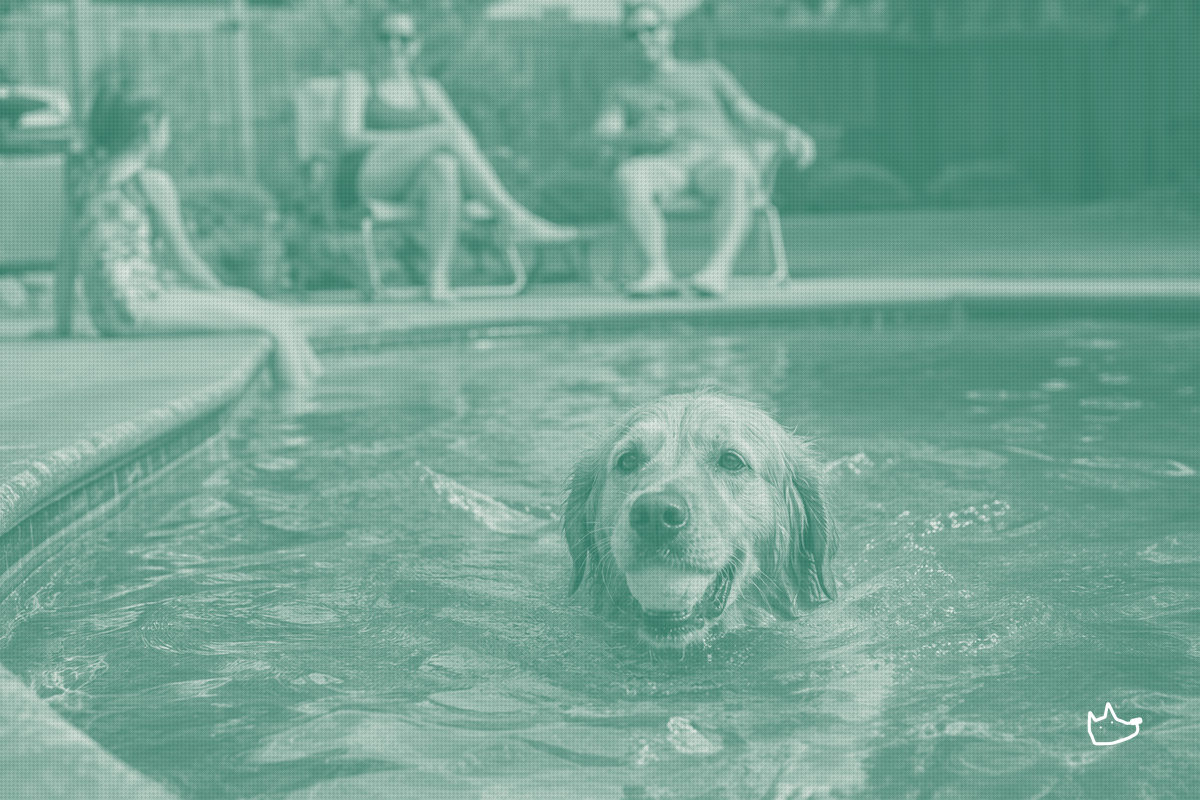
Memorial Day lands May 25, putting the seasonal pet boarding peak three weeks out. Rover's new summer travel survey of 1,000 U.S. pet parents shows 92% will travel but are trading down their own travel quality, hotels, flights, length of trip, while keeping pet care premium. For hotel chains, airlines, and the pet boarding marketplace itself, the trade-off pattern is the operator signal worth tracking.
What Happened
Rover Group, Inc. released the data on May 5 from a Pollfish online panel survey of 1,000 U.S. pet parents fielded in April 2026. Rover, the largest online marketplace for pet care, was taken private by Blackstone in February 2024 in a $2.3 billion all-cash transaction at $11 per share, so the data drop is a marketing and category-narrative release rather than an investor-facing one.
The headline numbers describe a sharp trade-down on owner travel paired with sustained spend on pet care:
Seventy-three percent of pet parents say their summer travel plans were impacted by the current economic environment. Seventy-eight percent would stay in a lower-rated, less expensive hotel themselves to keep their pet with a 5-star sitter. Forty-nine percent of pet parents traveling with their pets have rejected a well-rated hotel because the pet amenities did not meet their standards. Seventy-one percent are prioritizing destinations closer to home, 32% are taking fewer trips or none at all, and 26% are taking shorter trips than usual.
Pet-side spend remains elevated. Pet expenses average 23% of a trip's total budget excluding human airfare and lodging. Eighty-seven percent would pay extra for pet-friendly accommodations to reduce pet stress, with 22% willing to spend up to $500 more. Seventy-three percent would pay for an extra airline seat to keep their pet in cabin rather than under the seat.
Why It Matters
The reflex read is that this is a Rover marketing release timed to drive Memorial Day bookings. The structural read is that the trade-off pattern in the data describes the operating environment for every category that touches pet travel.
1. Pet care is operating as a non-discretionary line item. The 78% figure (cheaper hotel for me, 5-star sitter for the pet) is the most actionable number in the survey. Trade-down behavior on owner travel paired with maintained or upgraded spend on pet care is the textbook signature of a non-discretionary category. For Rover, that's recession-resistance positioning. For Wag, Trusted Housesitters, Sniffspot, and traditional kennel chains, the same dynamic supports through-cycle volume.
2. Hotel pet amenities are now a churn driver, not a niche product. Forty-nine percent of pet-traveling parents have rejected a well-rated hotel because the pet experience fell short. That's a chain-level operating issue, not a property-level one. Marriott, Hilton, Hyatt, and IHG all have fragmented pet policies that vary by brand and property. The data implies pet-traveling guests are screening on amenities before they screen on overall ratings, which inverts the loyalty-program conversion funnel.
3. The closer-to-home shift benefits Rover's in-home model over facility-based boarding. Seventy-one percent prioritizing closer-to-home destinations skews demand toward in-home pet sitting, where the sitter comes to the pet's residence, and away from kennel and boarding facilities, which assume the owner will leave the pet at a destination. Rover's marketplace structure captures the closer-to-home dynamic directly. Corporate boarding chains and PetSmart's PetsHotel are positioned for the opposite scenario.
4. Airline in-cabin pet pricing has more elasticity than the policy posture suggests. Seventy-three percent saying they would pay for an extra airline seat for pet comfort confirms what American, United, and Delta have been signaling through gradual in-cabin pet fee increases. The willingness-to-pay floor sits well above current carry-on pet fees. Whether airlines convert that into a premium pet seating product or continue raising flat carry-on fees is a margin question worth watching.
5. Survey is a marketing release. Methodology caveats apply. Pollfish online panel sampling, 1,000 self-selected respondents, self-reported intent. The directional signal is consistent with broader consumer pullback data, but the magnitudes are not market data. Use as a category narrative, not as a forecast input.
What to Watch
Memorial Day weekend boarding demand. The actual booking signal lands in the next three weeks. Rover is private, so the cleanest read is Blackstone portfolio commentary in its Q2 earnings cycle and any aggregate booking data Rover chooses to release post-holiday. Trusted Housesitters and Sniffspot disclosures, where available, will provide a peer comp.
Hotel chain Q2 commentary on pet amenities. Marriott, Hilton, Hyatt, and IHG report through July and August. Listen for any portfolio-level pet policy standardization announcements or amenity-investment language. The 49% rejection rate is the kind of statistic that gets cited inside a brand-investment justification.
Airline pet cabin pricing. Delta, American, and United have all raised in-cabin pet fees over the past 18 months. The 73% extra-seat willingness-to-pay points to a premium product opportunity rather than a flat fee ceiling. A pilot in-cabin pet seating SKU at any major U.S. carrier this year would validate the data.
Competing platforms responding with their own data drops. Wag, Trusted Housesitters, and Sniffspot all have audience-survey capacity and incentive to publish pre-Memorial Day. A wave of Q2 pet travel data releases would suggest the category sees this window as the new pet-travel narrative-setting season.
Other News
More stories shaping the pet industry this week. From funding rounds and product launches to regulatory shifts and retail strategy, stay ahead of what's driving the market.
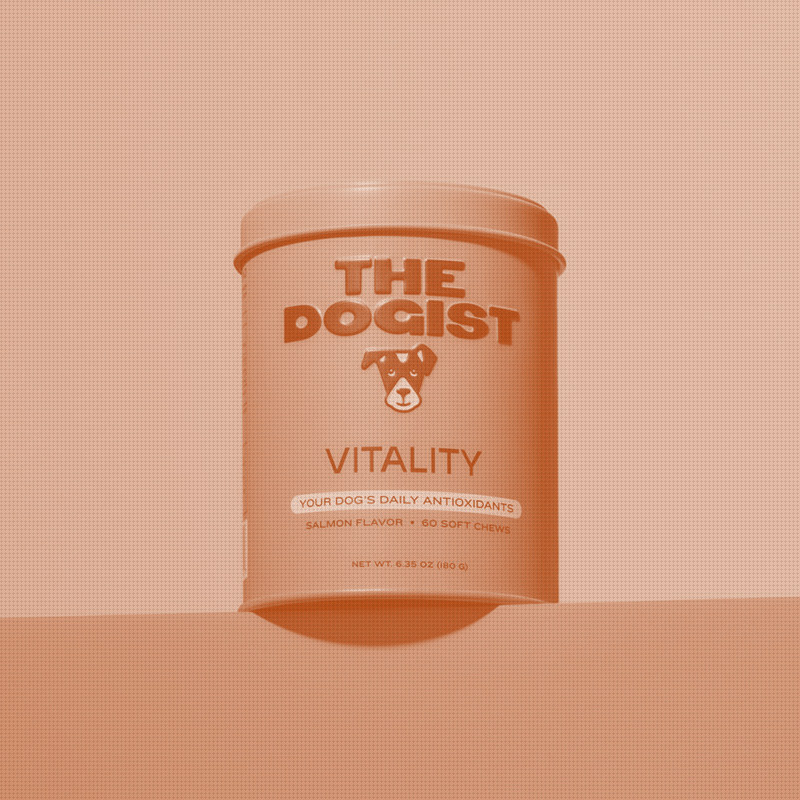
After 13 Years Photographing Dogs, The Dogist Launches Its First Product
Elias Weiss Friedman's picky-eater dog, Elsa, inspired his first product: Vitality, a $35 antioxidant chew developed with a board-certified veterinary nutritionist. Preorders open now ahead of a September 22nd release on The Dogist Company's site and TikTok Shop.
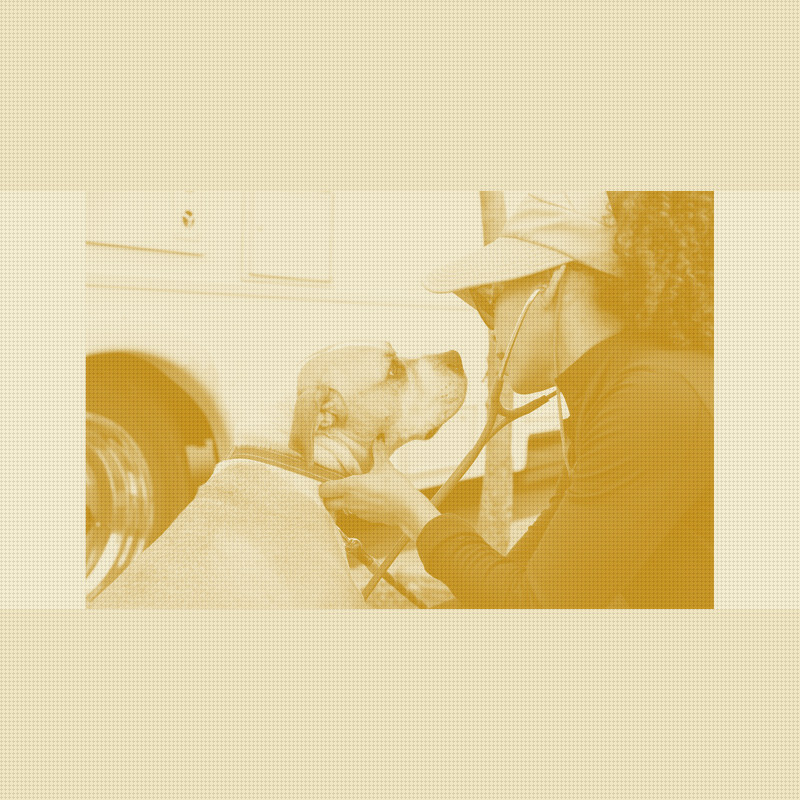
$250M Duffield Pledge Raises the Stakes on Vet Care Access
The Dave & Cheryl Duffield Foundation is committing $250 million over five years to expand nonprofit veterinary care, an initiative it calls the Duffield Big Bet for Pets. The pledge follows PetSmart Charities' $100 million commitment in 2023, pushing dedicated access-to-care philanthropy past $350 million in three years. For operators, the money increasingly funds nonprofit clinic capacity, not just family subsidies.
Loyal's Third Longevity Drug Clears the FDA's First Efficacy Bar
Loyal's LOY-003, a large-breed longevity drug targeting the growth hormone/IGF-1 pathway, has cleared the FDA's Reasonable Expectation of Effectiveness bar, the company's third such acceptance. The milestone de-risks Loyal's broader platform even as its furthest-along drug, LOY-002, still awaits a manufacturing review before conditional approval.