
Senior Pets Are 44% of the Market. They Just Got Their First Conference.
Senior Pet Con, the first event built specifically for senior pets, launches September 12-13 as a two-day virtual conference, one day for pet parents and one day of RACE-approved CE for veterinarians. With senior animals at 44% of the U.S. pet population and sponsors like Virbac, Purina, and Loyal Animal Health backing it, the launch signals that senior care is becoming its own commercial category.

Roughly 72 million dogs and cats in the United States are seniors, and until now none of them had an event built around the specific problems of growing old. Senior Pet Con, launching September 12 and 13, is the first attempt to fix that. The sponsor list behind it says the pet industry has decided the gray-muzzle years are a market, not a footnote.
Senior Pet Con splits two days between pet parents and a day of veterinary CE
Senior Pet Con is a two-day virtual event that divides its audience down the middle. September 12 is for pet parents: live sessions on massage and touch therapy, senior cat care, nutrition with a cook-along, catching problems early, and the emotional weight of loving an old animal. September 13 is RACE-approved continuing education for veterinary professionals, 12 hours of geriatric content across two channels, with up to 6 CE hours per attendee. Pet parent tickets run $49 and veterinary professional tickets $149, with group rates for clinic teams. Sessions begin at 8:30 a.m. Pacific each day, and registration is open at seniorpetcon.com.
The event is led by Monica Tarantino, a veterinarian who co-founded the Senior Dog Veterinary Society, and Adam Greenbaum, who built the veterinary web agency WhiskerCloud (acquired by PetDesk in 2022) and later founded the pet end-of-life resource Love, Baxter after losing his Boston Terrier. Tarantino hand-picked the faculty, which includes Dr. Natasha Olby, the distinguished chair in gerontology at NC State, alongside more than a dozen specialists in pain, mobility, dentistry, and euthanasia.
The tell is who is paying for it. Virbac is the presenting sponsor. The platinum tier is pet-aftercare operator Gateway Services, Purina, and canine-longevity drug developer Loyal Animal Health, with Fera Pets, PawsTime, and Pawsitive Payments rounding out the gold sponsors. When a longevity biotech, a cremation company, and one of the biggest names in nutrition all fund the same senior-pet event, the category has crossed from cause to commercial.
Longevity is turning senior care into its own budget line
The number underneath all of this is 44 percent. That is the share of the U.S. pet population that AAHA counts as senior, and it is climbing because pets are living longer. The average dog's lifespan has stretched from roughly 10 years to 13 over two decades, and cats have gained similarly. Longevity is quietly becoming one of the most powerful demand-shaping forces in veterinary medicine, the same way an aging human population reshaped healthcare spending.
Older animals cost more to care for, more often, for longer. Wellness testing turns up clinically relevant abnormalities in two of every five senior dogs and three of every five senior cats, which means the senior years are where the medicine, and the money, concentrate. For a clinic, a senior patient is a recurring-revenue relationship: more frequent visits, chronic-disease management, diagnostics, and the highest-stakes conversations in the practice.
Yet the training gap is real and openly acknowledged. Most veterinarians received little formal instruction in geriatric medicine, which is exactly the hole a RACE-approved CE day is built to fill. That is the operator signal in this launch. Senior care is professionalizing, sponsors are lining up to own a piece of it, and the clinics and brands that build a real senior-care competency now will be sitting in the fastest-growing slice of the category.
There is a human layer here too, and the event does not hide from it. Research suggests around three-quarters of pet owners experience anticipatory grief, the quiet dread that arrives with every gray hair, and most carry it alone. The closing session puts pet parents and veterinarians in the same virtual room to talk about end of life together, which the organizers believe has not been done before. Whatever else it is, it is a sharp read on where the emotional and commercial center of gravity in pet care is moving.
A niche first that could grow into something bigger
There is something genuinely good happening here. A part of pet care that usually gets treated as an afterthought is getting its own stage, and a lineup of respected vets and serious sponsors decided it was worth showing up for. Virtual is the smart way to start, but it is easy to picture where this could go from here: a bigger program, in-person gatherings, regional editions, a year-round community instead of a single September weekend.
The part worth watching most is what it does to the vets in the room. Send a practitioner home from a day of geriatric CE and a faculty of specialists, and they come back ready to build out senior services they were not offering before, from mobility support to senior wellness plans to gentler end-of-life care. If Senior Pet Con pushes even a slice of its attendees in that direction, it will have done more for aging pets than any ticket count can show. This is a good thing for the space, and it is worth cheering on.
Source: Senior Pet Con. Announcement submitted to The Underbite; market data via AAHA and industry sources.
This news brief is based on a company-submitted announcement. The Underbite verifies claims where possible but cannot independently confirm all details.
Other News
More stories shaping the pet industry this week. From funding rounds and product launches to regulatory shifts and retail strategy, stay ahead of what's driving the market.
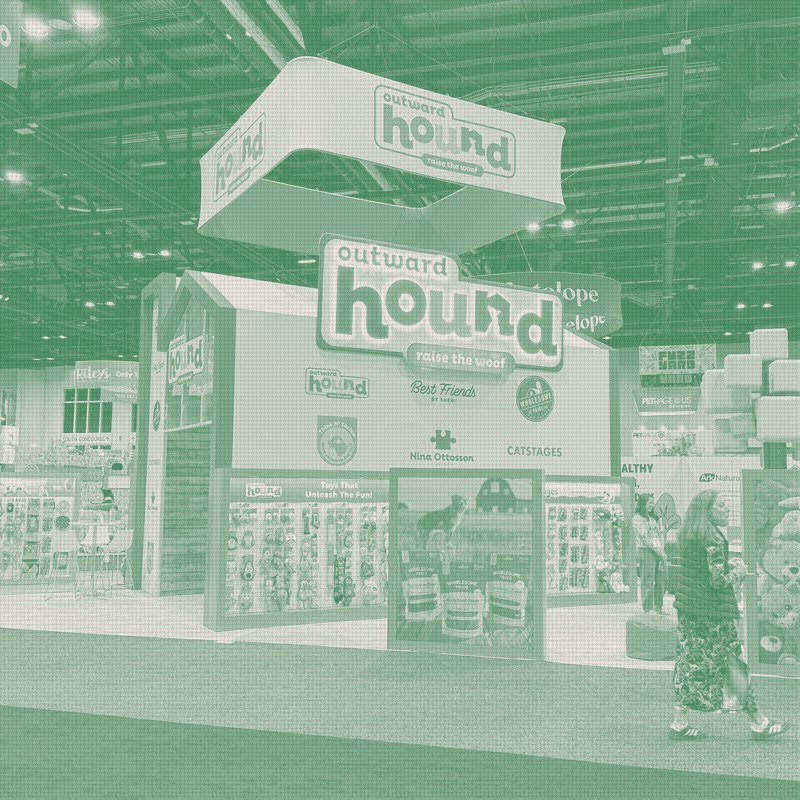
Outward Hound Gets Its Third Private Equity Owner as H.I.G. Takes Control
H.I.G. Capital took majority control of Outward Hound's seven-brand platform, its third PE owner in under a decade and a sign the M&A thaw reached hard goods.

Pet Care's Loyal Customers Hide a Harder Truth: Owners Aren't Paying Themselves
A new benchmarking survey of 457 pet care operators shows a segment with loyal customers and steady growth but chronic under-monetization, low occupancy, thin upsells, and owners who often aren't paying themselves. The "room to scale" story is also a survival story.

Fi Puts Its Dog Tracker on Starlink Satellites, Betting Connectivity Is the Moat
Fi launched Ultra, the first consumer dog tracker on T-Satellite with Starlink, keeping dogs locatable past cellular range. The satellite feature is really a subscription play, and the Whistle shutdown shows the lock-in risk baked into pet-wearable memberships.