Sparkle Grooming Hits 500 Franchise Licenses in Under Two Years, Betting the Future on Quick-Service Pet Care
Sparkle Grooming Co. has awarded 500 franchise licenses across 27 states in under 24 months, reporting 73% membership conversion and 7% annual attrition. The "Quick-Service Pet Care" model pairs high-frequency maintenance visits with full-service grooming — a category-creation bet on franchise-scale membership economics.

Sparkle Grooming Co. surpassed 500 franchise licenses across 27 states in under 24 months of franchising, reporting 73% membership conversion and 7% annual attrition. The company is building what it calls "Quick-Service Pet Care" (QSPC), a membership-based grooming model that pairs high-frequency routine wellness visits with breed-specific full-service grooming in the same salon. If those unit economics hold at scale, Sparkle could do to pet grooming what European Wax Center did to waxing and what Goldfish Swim School did to kids' activities: standardize a fragmented service category into a repeatable, membership-driven franchise.
What Happened
Sparkle Grooming Co. announced on April 15 that it has awarded more than 500 franchise licenses to regional developers, with 20-plus locations in active development. The brand now has commitments across 27 states, with the largest pipelines in the Mid-Atlantic (67 units planned across Maryland, Washington D.C., Northern Virginia, and North Carolina), Florida (80+ units across multiple agreements), Tennessee (22 units), and South Florida (29 units).
The company was founded in 2022 by CEO Ben Crawford and COO Joe Aeppli. Sparkle began franchising roughly 24 months ago, making the pace of license sales notable by franchise industry standards.
Key operating metrics disclosed in the announcement: 73% membership conversion rate (the share of first-time visitors who convert to recurring members) and 7% annual attrition (the share of members who cancel per year). The model uses compact salon footprints, flat-rate pricing, and technology-enabled operations designed to make each location scalable and labor-efficient.
Sparkle's pitch to franchisees centers on recurring revenue predictability. The membership model generates monthly cash flow regardless of seasonal fluctuations, weather, or economic cycles. QSPC salons deliver both the routine hygiene cadence (baths, brush-outs, nail trims) that drives the subscription and full-service breed-specific grooming performed by experienced groomers — a dual offering the company frames as a meaningful differentiator against competitors built around maintenance alone.
Why It Matters
1. 500 licenses in 24 months is franchise-world velocity, but licenses aren't locations. For context, Planet Fitness took roughly seven years to hit 500 locations. European Wax Center took about five. But those are open, operating locations. Sparkle's 500 figure represents awarded licenses, not open doors. The distinction matters. Franchise brands regularly sell commitments faster than they can build units, and the gap between "licenses awarded" and "locations operating" is where franchise models succeed or fail. Based on Yelp listings, PR announcements, and store locator data, roughly 8-10 Sparkle locations appear to be currently operating across Arizona, Colorado, Utah, Ohio, South Carolina, and Missouri. That puts the licenses-to-open ratio at approximately 50:1. The real milestone to watch is how many locations are generating revenue.
2. The membership metrics are the story. A 73% conversion rate from first visit to membership is exceptionally strong for any subscription business. For context, gym chains typically convert at 30-50% of visitors, and beauty franchises range from 20-40%. If Sparkle's 73% holds as the network scales beyond early adopters and friendly markets, it suggests genuine product-market fit. The 7% annual attrition is equally notable; most subscription businesses would be thrilled with single-digit monthly churn, let alone annual.
3. QSPC is a category creation play. Sparkle offers full-service breed-specific grooming alongside QSPC maintenance visits — but the category-creation bet is the maintenance layer. Where a traditional groomer's economics are built around a full groom every 6–8 weeks, QSPC is engineered for a routine-hygiene cadence (baths, brush-outs, ear cleaning, nail trims) slotted in between full grooms at a much higher visit frequency. A dog might get a full groom every 6–8 weeks but could use a QSPC visit every 2–3 weeks. If that framing sticks with consumers, it expands the total addressable market rather than slicing existing demand.
4. The franchise model targets multi-unit operators, not solo entrepreneurs. Sparkle's growth has been driven by regional developer agreements (multi-unit commitments), not individual franchise sales. The 67-unit Mid-Atlantic deal and 80+ unit Florida pipeline suggest the brand is attracting experienced multi-unit operators who have run the numbers on unit economics and like what they see. That's a different signal than selling 500 single-unit licenses to first-time business owners.
5. Independent groomers should pay attention, but not panic. Sparkle's QSPC model doesn't replace the skilled groomer doing breed-specific cuts and hand-stripping. It does, however, standardize and franchise the "maintenance" layer that many independent groomers offer as a lower-margin add-on. The competitive risk for independent operators isn't losing their core grooming clients; it's losing the between-appointment revenue to a more convenient, membership-priced alternative.
What to Watch
Open location count: The single most important metric Sparkle hasn't disclosed. 500 licenses is a sales milestone. Operational performance depends on how many locations are open, how they're performing, and what the ramp curve looks like. Watch for Sparkle to announce specific opening milestones (50 open, 100 open).
Unit economics disclosure: Average revenue per location, membership pricing, and four-wall EBITDA margins are the numbers that will determine whether Sparkle's model is truly replicable or only works in ideal markets. Franchise Disclosure Document (FDD) data should provide some visibility as the system matures.
Competitive response from Dogtopia, Wag N' Wash, and Pet Supplies Plus: The pet services franchise space is getting crowded. Dogtopia (daycare-first), Wag N' Wash (self-service + full-service), and Pet Supplies Plus (retail + grooming) all have grooming components. Watch for existing franchise brands to test their own membership-based grooming models.
Labor model sustainability: Grooming labor is the industry's biggest constraint. Sparkle's QSPC model reduces the skill requirement (routine hygiene vs. breed-specific styling), which should expand the labor pool. Whether that translates to lower turnover and easier staffing at scale is unproven.
Other News
More stories shaping the pet industry this week. From funding rounds and product launches to regulatory shifts and retail strategy, stay ahead of what's driving the market.
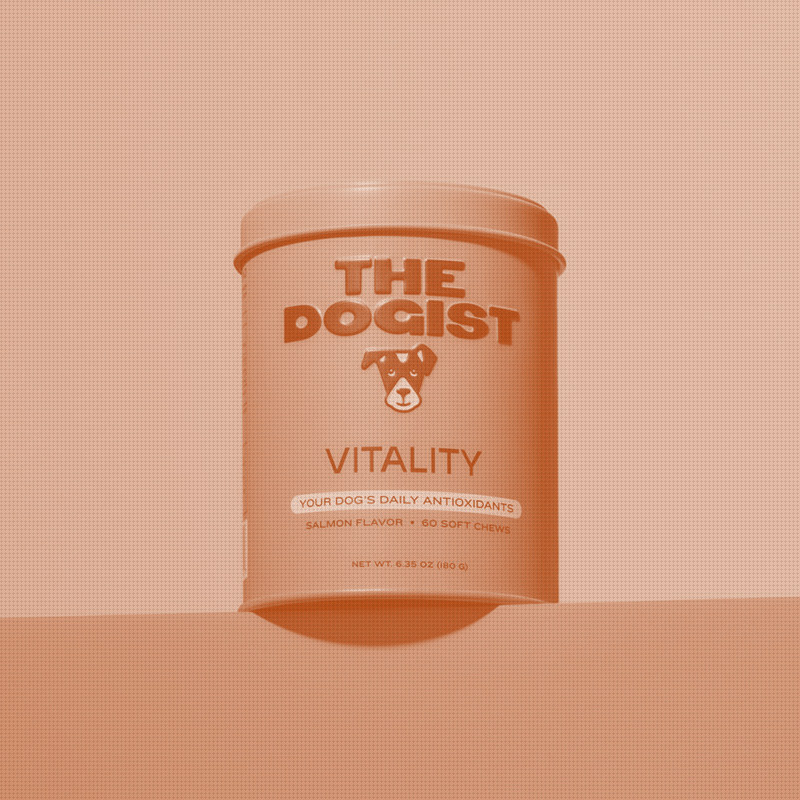
After 13 Years Photographing Dogs, The Dogist Launches Its First Product
Elias Weiss Friedman's picky-eater dog, Elsa, inspired his first product: Vitality, a $35 antioxidant chew developed with a board-certified veterinary nutritionist. Preorders open now ahead of a September 22nd release on The Dogist Company's site and TikTok Shop.
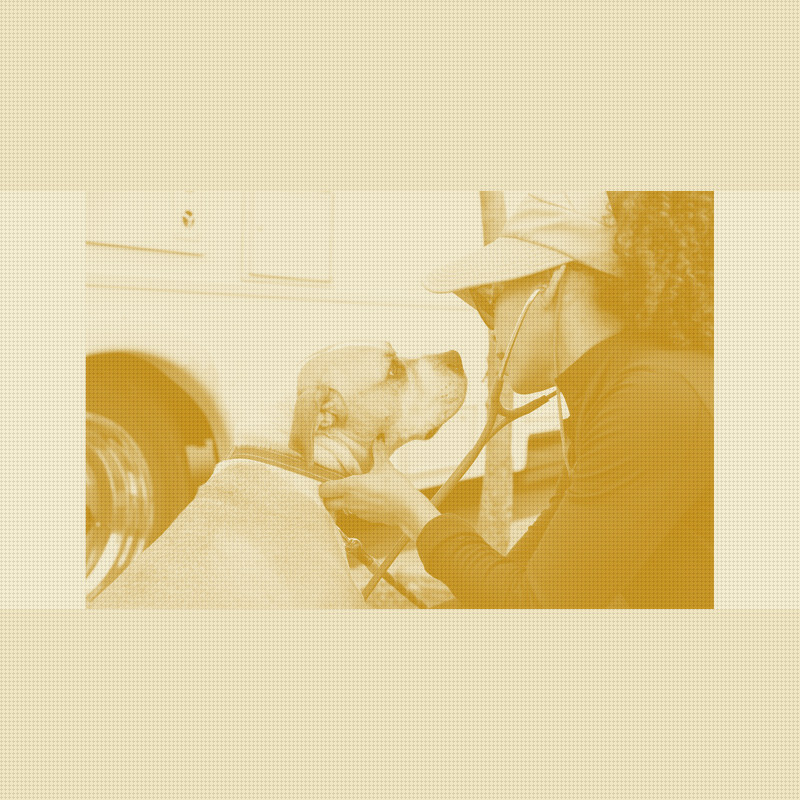
$250M Duffield Pledge Raises the Stakes on Vet Care Access
The Dave & Cheryl Duffield Foundation is committing $250 million over five years to expand nonprofit veterinary care, an initiative it calls the Duffield Big Bet for Pets. The pledge follows PetSmart Charities' $100 million commitment in 2023, pushing dedicated access-to-care philanthropy past $350 million in three years. For operators, the money increasingly funds nonprofit clinic capacity, not just family subsidies.
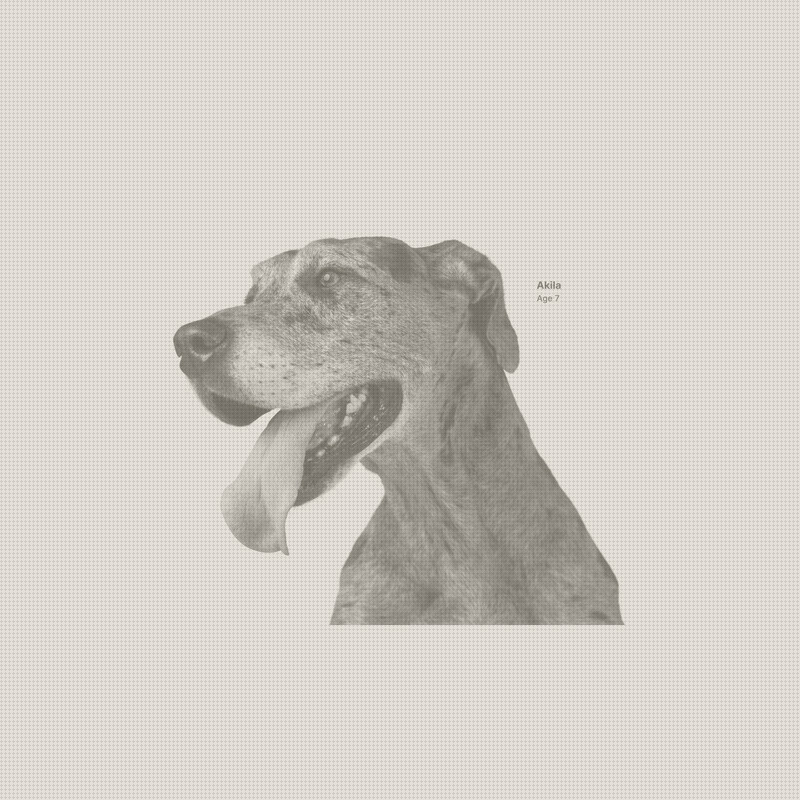
Loyal's Third Longevity Drug Clears the FDA's First Efficacy Bar
Loyal's LOY-003, a large-breed longevity drug targeting the growth hormone/IGF-1 pathway, has cleared the FDA's Reasonable Expectation of Effectiveness bar, the company's third such acceptance. The milestone de-risks Loyal's broader platform even as its furthest-along drug, LOY-002, still awaits a manufacturing review before conditional approval.