Anatomy of a Pet Food Recall
The average pet food recall costs $10 million in direct expenses. This guide walks through what the next 72 hours actually look like from inside a company, the financial stakes operators face, and what preparation separates brands that survive from those that don't.
The average pet food recall costs $10 million in direct expenses. That number doesn't include the sales you'll never recover, the retailers who delist you, or the 21% of customers who will avoid your entire company permanently.
Every pet food brand will face a recall scenario. Maybe it's your product. Maybe it's your co-packer's other client. Maybe it's an ingredient supplier who services half your category. The question isn't whether you'll deal with one. It's whether you're prepared when it happens.
Most founders have no mental model for what a recall actually looks like from the inside. They know the regulatory definitions. They don't know what the next 72 hours feel like.
The Numbers Nobody Talks About
Pet food recall costs follow a brutal pattern. The direct expenses are just the beginning.
A University of Minnesota study found that 50% of pet owners switch brands after a recall, at least temporarily. Fifteen percent never return to the product. Twenty-one percent avoid the entire manufacturer.
One documented case showed $1.25 million in sales losses over 12 months following a single recall event. Add $300,000 in initial recall and testing costs. Add another $1 million for new ingredients, facility cleaning, and reformulation. Add $250,000 in advertising and PR to rebuild the customer base.
The financial exposure scales with your distribution. A regional brand with 50 retail accounts faces a manageable crisis. A brand in 2,000 stores faces an existential one.
In 2025, the pet food industry saw 13 recalls totaling 166,071 pounds. Salmonella accounted for 157,227 pounds of that total. Raw and frozen products drove the highest volume at 84,311 pounds. The pattern is consistent year over year: bacterial contamination leads, and the brands processing raw products carry disproportionate risk.
What the FDA Actually Does
The pet food recall process operates differently than most founders expect. The FDA doesn't swoop in and take control. In most cases, you're driving the response while they watch and evaluate.
Voluntary recalls are the norm. A company identifies a problem and initiates the recall on their own, then coordinates with the FDA on execution. Mandatory recalls are exceptionally rare. A review of Class I and Class II pet food recalls found that in all cases studied, firms voluntarily initiated the recalls. The regulatory framework strongly incentivizes voluntary compliance. Companies that refuse FDA requests face litigation costs, bad publicity, and potential court-ordered seizure of products. In practice, nobody refuses.
The FDA classifies recalls into three tiers based on health risk. Class I means high probability of severe health problems or death. Salmonella and Listeria contamination typically land here. Class II means moderate risk of adverse health effects. Class III covers issues unlikely to cause health problems, like packaging errors or labeling mistakes.
Once you identify a problem, you have five working days to submit a complete recall strategy to the FDA. That strategy includes the violation identified, the health hazard assessment, your recall approach, and your timeline. The FDA reviews it, may suggest changes, and monitors your execution.
Here's what the FDA doesn't do: manage your communication, coordinate with your retailers, handle your customer service, or protect your brand. They set the regulatory floor. Everything above that floor is your problem.
For a deeper understanding of how the FDA approaches pet food enforcement, see our guide on FDA pet food regulations.
The First 72 Hours
A pet food recall announcement rarely comes from a scheduled quality review. It comes from a phone call.
Maybe it's your co-packer reporting contamination in a shared facility. Maybe it's a retailer whose customer reported a sick pet. Maybe it's your own QA team finding something in a routine test they weren't expecting. However it arrives, the clock starts immediately.
Hour 0-4: Confirm and scope. Is this real? How many lots are affected? Where did they ship? You're pulling distribution records while simultaneously trying to understand whether you're dealing with one bad batch or a systemic failure. The temptation to wait for more information is strong. The cost of waiting is higher.
Hour 4-12: Assemble and decide. Your recall team should include operations, quality, legal, finance, and communications. If you don't have a standing recall team with assigned roles, you're making it up as you go. The key decision: how broad is the recall? Too narrow and you miss contaminated product. Too broad and you crater your business for no reason. Both mistakes happen regularly.
Hour 12-24: Notify the chain. Distributors, retailers, the FDA. Everyone needs clear information: which products, which lot codes, what to do with inventory. Retailers need their store teams to know which SKUs to pull. This is where traceability systems prove their worth. If you can't identify exactly which bags contain ingredients from a specific supplier lot, you're recalling everything that might be affected.
Hour 24-72: Go public. Press release, website notice, social media. The CPSC guidance recommends keeping retail posters up for 120+ days. Your customer service team needs scripts. Your social media team needs approved responses. Every hour you delay public announcement is an hour that potentially contaminated product stays in homes.
The timeline compresses or expands based on severity. A Class I recall with documented illness moves faster than a Class III labeling error. But the sequence stays the same: scope, decide, notify, announce.
What Separates Brands That Survive
Pet food recalls reveal character. Some brands emerge with customer loyalty intact. Others never recover. The difference isn't luck.
Speed signals seriousness. Customers and retailers forgive contamination that you catch and address quickly. They don't forgive cover-ups, delays, or half-measures. The 2007 Menu Foods melamine recall remains the industry's defining case study: over 100 pet food brands were affected, thousands of pets became ill, and companies that communicated slowly saw permanent brand damage. Size doesn't protect you. Communication speed does.
Retailer relationships buffer the impact. A buyer who trusts you will work with you through a recall. A buyer who was already on the fence uses it as justification to cut you. This is why the relationship work you do in normal times matters. When you're in crisis mode, you're drawing on goodwill you've already built.
Proactive communication beats reactive defense. Don't wait for journalists to call. Issue the statement first. Don't wait for social media outrage. Get ahead of it. Customers accept that mistakes happen. They don't accept being the last to know.
Insurance changes the math. Product recall insurance typically covers testing, logistics, sales losses, and PR rehabilitation. One case study showed insurance covering most of the $2.5 million in direct costs from a recall. Without coverage, that's a business-ending expense for most emerging brands. Not every company has recall insurance. The ones that survive usually do.
The brands that recover share a pattern: they treat the recall as a communication event, not just a logistics event. The product retrieval matters. The story you tell matters more.
How Smart Operators Prepare
The pet food recall that doesn't destroy your business is the one you've already rehearsed.
Recall insurance is table stakes. The cost varies based on revenue, product type, and coverage limits, but for most brands, it's a rounding error compared to the exposure it covers. If you're manufacturing food products and you don't have recall insurance, you're betting the company on nothing ever going wrong.
Traceability is the difference between a targeted recall and a total recall. Can you trace every ingredient in every bag back to its supplier lot within 24 hours? If you can't, a contamination event in one ingredient means recalling everything that might contain it. The brands with mature traceability systems recall 10,000 units. The brands without recall 100,000.
Supplier qualification isn't paperwork. Your ingredient suppliers' quality failures become your recalls. Audit them. Understand their testing protocols. Know their history. A co-packer's other clients can contaminate your product through shared equipment. Ask about cleaning protocols and batch sequencing.
Mock recalls reveal gaps. Run a drill. Pick a random lot code and see how fast your team can identify every unit in that lot, where it shipped, and who to call. The first time you do this, you'll find problems. Better to find them in a drill than in a crisis.
The underlying principle: every hour you save in response time is exposure you don't accumulate. Preparation buys speed. Speed buys survival.
For more on supplier relationships and operational resilience, see our pet food supply chain guide.
The Causes That Keep Triggering Recalls
Pet food contamination follows predictable patterns. Understanding them doesn't prevent recalls, but it helps you assess your risk profile.
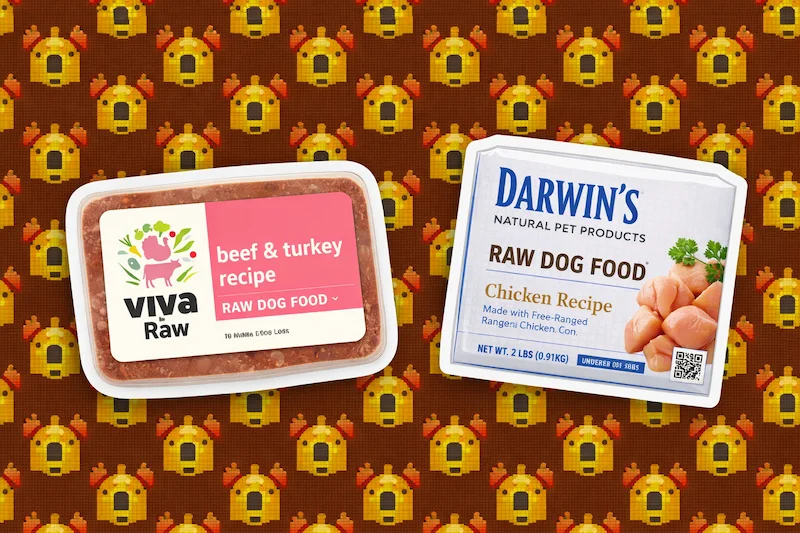
Bacterial contamination leads the list. Salmonella and Listeria account for the majority of Class I recalls. Raw and frozen products carry elevated risk because they skip the kill step that thermal processing provides. In 2025, raw pet foods accounted for 84,311 pounds of recalled product, the highest volume by category.
Foreign objects trigger recalls that feel preventable in hindsight. Metal fragments from equipment. Plastic from packaging lines. Glass from broken containers. These are manufacturing failures, and they correlate with equipment maintenance practices and facility age.
Nutrient imbalances are quieter but serious. Too much vitamin D can cause kidney failure in dogs. Too little of an essential nutrient can cause deficiency diseases. These often trace back to formulation errors or ingredient supplier problems.
Mislabeling rounds out the list. Undeclared allergens. Ingredients present but not listed. Claims that don't match contents. For a breakdown of what's required on pet food labels, see our guide on pet food labeling requirements.
The brands that handle recalls well aren't necessarily the brands with the best manufacturing. They're the brands that know their vulnerabilities and prepare accordingly. If you're processing raw products, your bacterial testing protocols better be bulletproof. If you're running older equipment, your maintenance schedule better be aggressive. The recall you survive is the one you saw coming.
Understanding the regulatory landscape for pet food helps, but regulations are the floor, not the ceiling. The brands that thrive don't just meet compliance requirements. They build systems that catch problems before regulators ever get involved.
A recall is a stress test for everything you've built: your operations, your relationships, your communication, your financial resilience. The founders who come out the other side aren't the ones who avoid recalls entirely. They're the ones who were ready.
Affiliated Products
Lorem ipsum dolor sit amet, consectetur adipiscing elit. Suspendisse varius enim in eros elementum tristique. Duis cursus, mi quis viverra ornare, eros dolor interdum nulla, ut commodo diam libero vitae erat.