Kate Elden | CMO of Dutch
Dutch CMO Kate Elden on why telemedicine isn't a compromise — it's how veterinary care finally scales. In this Q&A, she breaks down the access crisis (129 million Americans live in vet care deserts), why 50% of Dutch's patients hadn't seen a vet in over a year, and how owning their own EMR and tech stack positions the company to integrate AI diagnostics and at-home monitoring as the regulatory landscape shifts.

Kate Elden didn’t set out to work in telemedicine — she set out to expand access to care. After years in equine and small animal practice, a career-altering injury and the mounting realities of veterinary medicine’s access and affordability crisis forced a hard reckoning: traditional brick-and-mortar care alone cannot meet national demand. Too many pet owners are skipping visits. Too many veterinarians are stretched thin. The gap between the care pets need and the care they receive continues to widen.
Now, as Chief Medical Officer at Dutch, Elden is operating at a different scale. She oversees clinical protocols, technology infrastructure, and regulatory navigation for a platform delivering hundreds of thousands of virtual interactions nationwide. Her mission is clear: increase access, support clinicians, and prove — with data — that telemedicine can be a credible, scalable extension of veterinary medicine rather than a compromise of it.
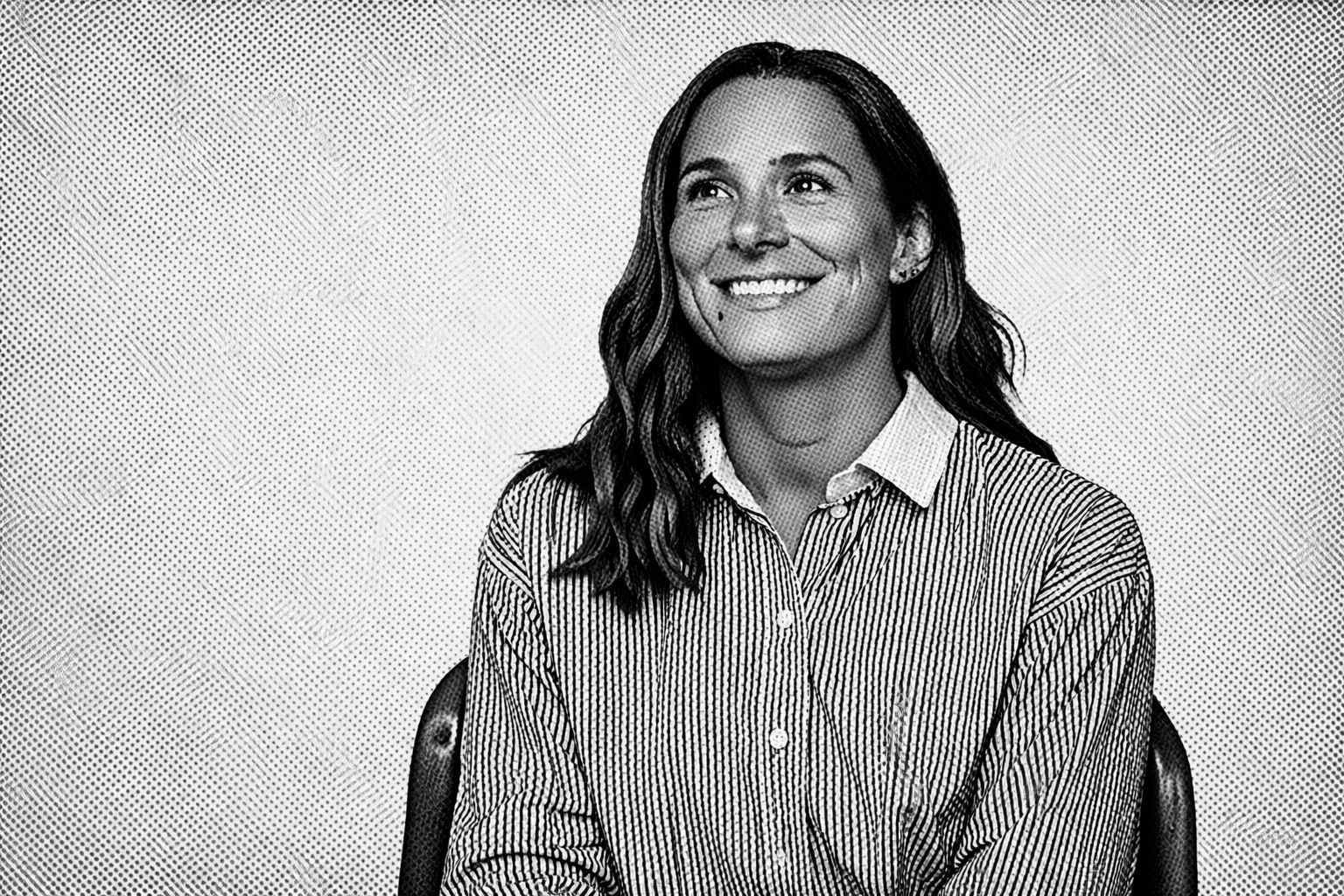
Can you walk us through your path from veterinary school to becoming Chief Medical Officer at Dutch, and what originally drew you to veterinary medicine?
It starts with my brother. He was born with a disability, and growing up, I watched him struggle with things most kids never have to think twice about. Our family dog, Jamie, changed everything for him. Jamie didn’t care about my brother’s disability; she just loved him unconditionally. Seeing what that bond did for my brother, it clicked for me early on in life that animals have the power to heal people in ways medicine alone can’t. That’s what pulled me toward veterinary medicine. I wanted to be part of that.
My career path was anything but linear. I started as a horse vet in Colorado, then moved to Malibu, where I was taking care of horses for the rich and famous. But then I was kicked by a horse, which changed the whole trajectory of my career. After my injury, I transitioned into small animal care, starting with rehab, and worked my way through private and corporate practices. When COVID hit, the brand-new hospital where I was practicing closed. That’s when I started doing telemedicine, and I was immediately hooked on how it allowed me to treat more animals than ever before and provide care to animals who might not otherwise receive it.
When the hospital reopened, I kept doing telemed while also seeing patients in the hospital. Eventually, I became medical director at La Jolla Vet, where I saw the veterinary access crisis firsthand. Every single day, pet owners would come in who couldn’t afford the care they needed. I kept noticing scenarios where telemedicine was the better option for the pet and the owner by offering more flexibility and affordability, so I built and scaled a telehealth program there. It became a passion of mine, and I knew I wanted to do it at scale and expand telemedicine access for animals across the country. That’s what led me to Dutch.
I’ve always had a deep love for animals, but also a deep love for the veterinary profession. My “why” is to increase access to care, ease the burden on fellow vets, reach underserved communities, and mentor the next generation of veterinary professionals.
You’ve shared that being kicked by a horse was a turning point in your career. How did that moment alter your path, and what did it reveal about where you wanted to focus professionally?
First and foremost, it forced me to slow down, and strangely, that was the best thing that could have happened to me personally. My now husband and I have known each other since high school, but we only started dating after the incident led me to take some time off. He was also dealing with an injury at the time. What sealed the deal for me was this idea that most people can be kind and fun when things are going well, but it’s when life gets hard that you see what someone’s really made of and how they handle adversity. That’s what a lifelong partnership is built on.
The injury also made me take a real look at my work-life balance and structure. I started thinking about where I wanted to raise a family and what kind of career would let me be a present parent. Equine practice is demanding physically, and it dominates your schedule. Getting kicked was painful, but it opened a door to small animal medicine, and eventually to telemedicine, which gave me the flexibility and the impact I was looking for. Sometimes the worst moments redirect you toward exactly where you’re supposed to be.
How does serving as Chief Medical Officer at a telemedicine company differ from medical leadership in a traditional brick-and-mortar veterinary practice?
I always knew I wanted to help animals and the veterinary profession at scale. Not just one hospital, not just one community. This role supercharges that mission in a way a brick-and-mortar operation never could. We’re talking about millions of pet parents in the U.S. who have skipped or declined veterinary care because of cost or access barriers. That’s not a small problem, it’s a crisis – and Dutch is working to do something about it.
The day-to-day of telemed and in-person veterinary care is similar in some ways – I’m still writing protocols, leading by example, and acting as the face of the organization – but the scale is completely different. Dutch’s 2025 State of Online Veterinary Care Report found that one-third of the country (that’s 129 million Americans!) live in vet care deserts. We've already serviced over 700,000 telehealth vet interactions, and we're proving that telemedicine can close the gap between the care pets need and the care they're actually getting. That's what gets me out of bed in the morning.
Many pet owners still struggle to understand when telemedicine is appropriate for their pets. How does Dutch educate clients on when and how to use virtual care?
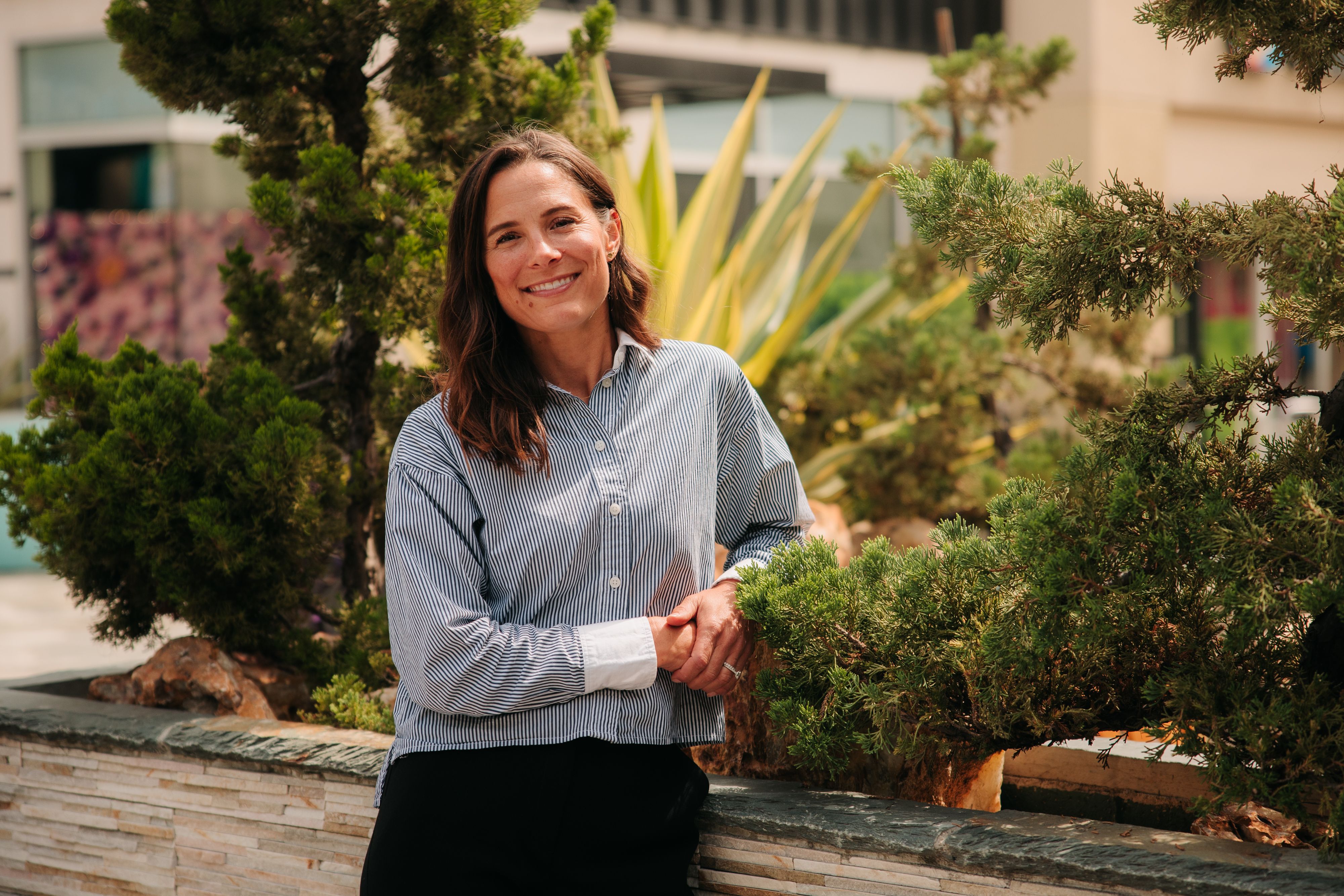
This is both our biggest challenge and our biggest opportunity. Most pet parents – and honestly, a lot of vets – don’t realize how many conditions telemedicine can successfully treat, or that we can ship medications straight to your door. That part blows people’s minds.
Telemedicine is great for dermatology issues, like itchy skin and allergies, behavioral concerns, diet and nutrition questions, aging and mobility questions, first-line treatment for mild respiratory conditions, and more. If you’re not sure whether you need to go to an in-person clinic or not, start with us. We’re also managing chronic conditions in partnership with brick-and-mortar clinics. It’s not either-or, it’s both-and.
Our 2025 State of Online Veterinary Care Report also found that 50% of telemedicine patients had not seen a vet within the past year. These are pets that were getting zero care, so it’s important to help people understand that there’s a whole category of veterinary care that didn’t exist for them before.
What does your role as CMO actually look like day-to-day? How do you balance clinical oversight with operational, strategic, and educational responsibilities?
In a perfect world, I would have dedicated time blocked for clinical oversight, coaching, education, protocol development, brand and marketing collaboration, educational content creation, and strategic initiatives. In reality, every day is different, and there’s a lot of triaging – a complex case comes up, a vet needs guidance, a new state loosens restrictions for telemedicine and we need to develop protocols, marketing needs clinical review on content, or I have a news appearance to give tips for keeping pets safe in the cold.
What I love about it is that no two days look the same, and every task connects back to the same mission. Whether I’m reviewing our EMR workflows or posting on Instagram at @drkatethedutchvet, it all comes back to helping more pets get the care they deserve and helping our vets feel supported doing it.
Dutch has invested in building and owning its own EMR. In practical terms, how does that ownership improve clinician consistency, compliance, or efficiency as the company scales?
I love our EMR, and when I talk with our vets, it’s usually the first thing they say they love most about working with Dutch. It has a built-in AI scribe that’s already integrated into our medical records, so there’s no toggling between systems. It makes it easy for DVMs to be efficient and still comply with quality medical record standards.
What really matters to me is that all of our AI tools include a human in the loop. The AI helps with efficiency and data capture, but the veterinarian is always making the clinical decisions. That’s non-negotiable, and because we own the EMR, we can iterate fast. If our vets tell us something isn’t working, we can fix it. We’re not waiting on a third-party vendor to prioritize our feature request. The amount of data we’re collecting through our EMR is also helping us demonstrate that telemedicine is safe and effective at scale – evidence that matters for the future of this industry.
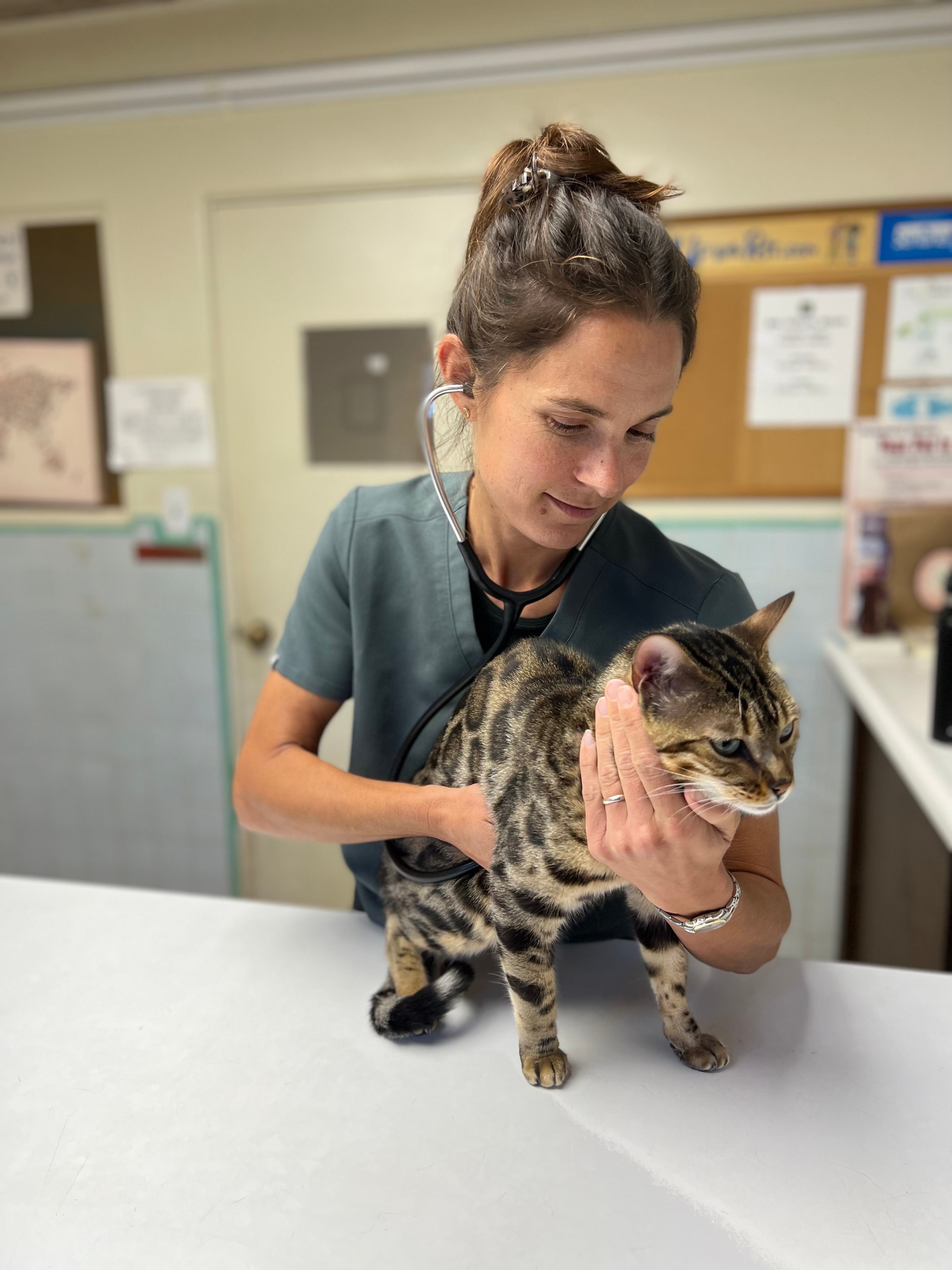
What are the most common misconceptions you encounter about veterinary telemedicine, and where do you think those misunderstandings come from?
Our biggest problem is awareness. Most people don’t know veterinary telemedicine exists in the first place. Then, once they find out about it, there’s often this “too good to be true” response, with the misconception being that they can talk to a vet on video, but nothing is actually going to get solved.
But we do solve problems. We have a 92% satisfaction score from pet parents who say we improved their pet’s problem, and 96% of treated pets show some level of improvement. People don’t realize we can prescribe and ship medications directly to their home without them ever setting foot in a clinic. For a lot of conditions, that’s exactly what the pet needs, and it’s more convenient and affordable.
I think some misconceptions also come from within the profession. There’s a segment of vets who don’t believe you can practice good medicine without a physical exam, and while I respect that perspective, the data is telling a different story.
On a personal level, how has working in telemedicine reshaped the way you think about care delivery?
Ever since I started doing telemedicine during COVID, I realized how, with the right tech, it was surprisingly easy to help pet owners at scale. It’s almost addicting. Most pet parents who do telemedicine have managed expectations – they know you’re not touching their pet, they have a question, they need guidance, they need a prescription. And a majority of these people have never seen a vet – or at least not in years – and are just grateful for any help.
I got into this because I was tired of pet owners getting no care at all. Either they never came into the clinic at all, usually because of cost, or they came in and then left without getting care because they couldn’t afford the workup. Working with Dutch, I’ve realized there’s a massive population of pet parents who want to do the right thing for their animals; they just need a more accessible entry point. We’re that entry point.
Looking ahead, what regulatory, clinical, or technological shifts do you believe will most influence veterinary telemedicine over the next several years, and how is Dutch preparing for them?
Pet owners are already starting to see the protectionism in our industry, and they’re losing trust. That will lead to regulatory changes and a loosening of telemedicine restrictions. I also think veterinarians are going to wake up to the fact that telemedicine restrictions in veterinary practice acts are some of the most egregious things happening to them right now. Another veterinarian is essentially telling them when their clinical judgment does or doesn’t count. Nowhere else in the practice acts do we dictate how vets practice the way we do with telemedicine.
With the amount of data Dutch is collecting, and the outcomes we’re demonstrating, the profession and the public won’t be able to ignore the evidence that telemedicine is safe and effective. Veterinary telemedicine makes it easier and more affordable for pet owners to get care and creates opportunities for veterinarians and other companies in the pet space, and yet it’s being held back by outdated laws and awareness gaps.
On the tech side, I’m really excited about the direction we’re headed. Imagine pet owners collecting vitals at home through smart tools, low-volume blood analysis that enables at-home bloodwork, AI computer vision for pain analysis, dermatology assessment, ophthalmology screening, and behavior analysis. These technologies are coming, and they’re going to unlock telemedicine in a massive way. Dutch is positioned to integrate these tools into our services as they emerge because we own our tech stack end to end.
Veterinary medicine has always been a trust-based profession. In a virtual-first model like Dutch, how do you think about earning trust without a physical exam room - and what does telemedicine actually do better than traditional care when it’s done right?
I was surprised to find that it seems like there’s more trust in the telemedicine setting than in a traditional exam room. It sounds counterintuitive, but when owners and pets are in the comfort of their own home, they’re more relaxed, and there’s no sterile clinical environment making everyone anxious.
Additionally, pet owners don’t feel upsold or pressured on the spot. There’s price transparency from the start – nobody’s sitting in a lobby watching a bill climb while their pet is in the back. That dynamic alone removes so much friction from the vet-owner relationship.
The best way to earn trust is to avoid sending pet parents to an in-person clinic when they don’t have to. If their dog has itchy skin and allergies, a video visit and a prescription shipped to their door is not only sufficient, it’s often a better experience for everyone involved. The 2025 PetSmart Charities-Gallup study found that 52% of pet owners skipped or declined care in the past year. 73% of those who declined due to cost weren't even offered an alternative.
When pet owners view their vet visits as transactions rather than relationships, trust breaks down. Telemedicine, done right, actually makes care feel more personal. That’s not what people expect, but that’s what the data and the experiences are showing us.
Other Interviews
More conversations with founders, operators, and investors building the future of pet care.

Fawad Farrukh | VP of Feline Nutrition, Mars Pet Nutrition
July is National Pet Hydration Awareness Month, but inside Mars Pet Nutrition it reads as a multi-year strategic bet, not a seasonal campaign. Fawad Farrukh, who runs the North America feline portfolio, explains why the world's largest pet food company thinks moisture-rich feeding is the category's next structural shift. The tell: dog and cat toppers are up 129% and 138% since 2018, and Mars is building products to ride that behavior rather than fight it.
Joshua Fitzgerald | CEO, Zoomin Groomin
Joshua Fitzgerald lived Zoomin Groomin as a franchisee before running it. Now, past 300 mobile grooming vans, the CEO argues operational discipline beats flashy growth, walks through the metrics every franchisee should obsess over, and explains how the Loyalty Brands umbrella turns buying power and franchising experience into a competitive edge.
Ivan Zak | Co-Founder, Serenity Vet
After surviving burnout severe enough to nearly end his life, veterinarian Ivan Zak set out to fix the systems behind it. He bootstrapped SmartFlow and sold it to IDEXX, built the employee-owned group Galaxy Vets, and now co-leads Serenity Vet to tackle veterinary medicine's least-managed cost: labor. A candid conversation on burnout, ownership, private equity, and operational discipline.