Olivia Abrams | Co-Founder & CEO, TiCK MiTT
Olivia Abrams was seven when Lyme disease left her unable to walk and undiagnosed for months. Years later, the entrepreneurship student turned that lifelong problem into TiCK MiTT, a chemical-free fabric mitt now in 900+ Petco stores. She shares why she waited to launch, why she turned down a Shark Tank deal, and the long-term vision to make bug protection what sun protection became to the last generation.
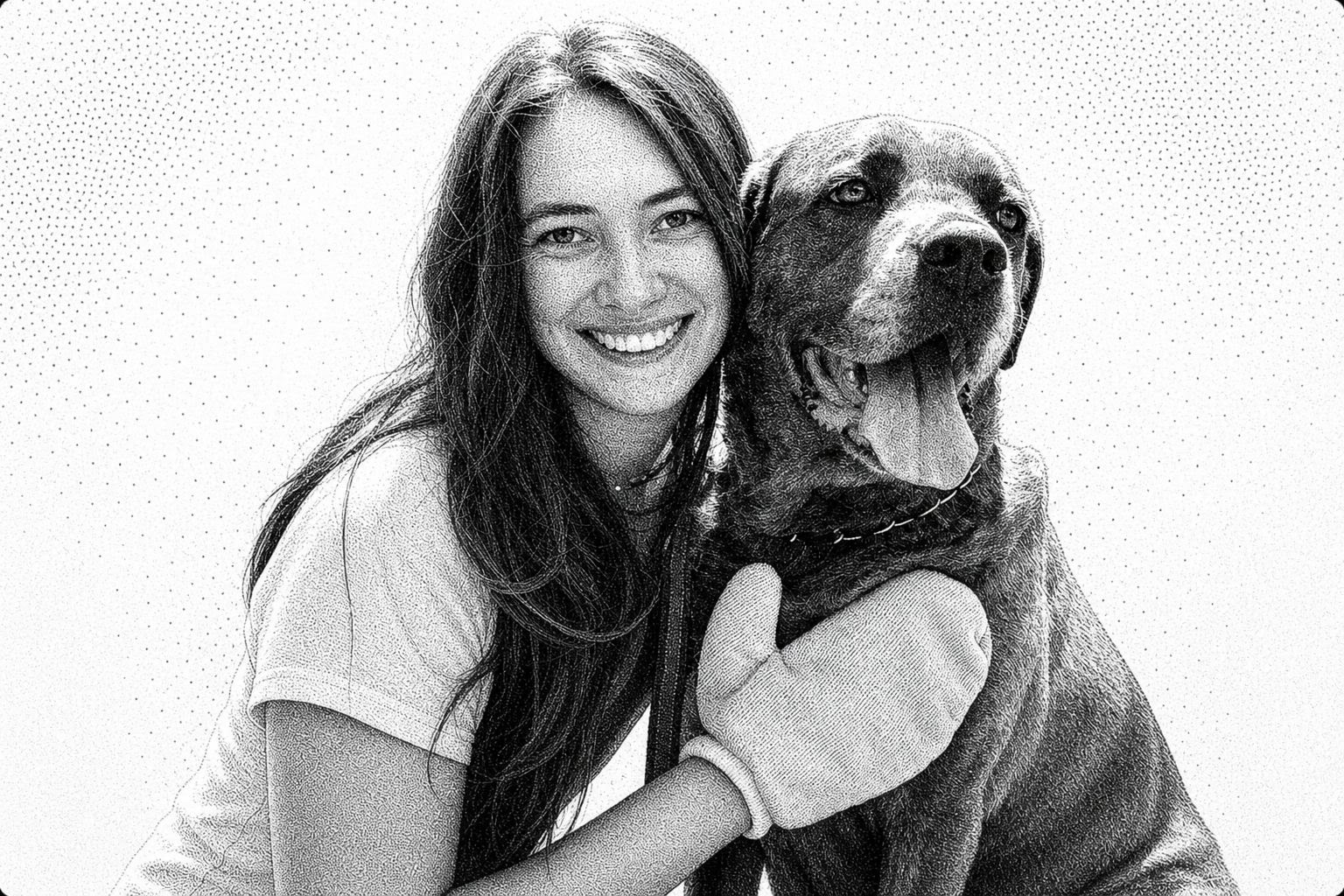
Olivia Abrams was seven years old when her knee swelled to the size of a balloon, and no one could explain why. After rounds of doctors, X-rays, and specialists, a single offhand comment from her father finally pointed to the culprit: Lyme disease.
That experience, of being sick, dismissed, and undiagnosed, never left her. Years later, as an entrepreneurship student trained to start with problems, she turned the most persistent one of her life into a company. TiCK MiTT is a chemical-free, fabric-based tick removal mitt engineered to protect people and pets before a bite ever happens.
What began as a college project became a brand now carried in over 900 Petco stores nationwide, seen on Shark Tank, and trusted by a growing community of families, pet parents, and medical advocates who understand exactly what's at stake.
The idea for TiCK MiTT came from a personal health scare in your family. Can you walk us through the moment when the problem went from frustrating… to something you felt compelled to solve?
I was seven years old when my knee swelled to the size of a balloon. I couldn't walk. I sat out of PE class. I hopped to the kitchen to get a snack on one leg. We went through rounds of doctor visits, X-rays, specialist appointments, blood tests — everything kept coming back normal. It wasn't until my dad casually mentioned to a doctor that we'd been spending time at our family home in upstate New York that Lyme disease was even considered. That offhand comment is the reason I got diagnosed.
That experience — being sick, not being believed, having to advocate for yourself in a system that wasn't connecting the dots — that never left me. My whole family has had Lyme. We grew up with big dogs that brought ticks into the house constantly. And when I got to college and studied entrepreneurship, I was taught to start with problems, not ideas. Ticks were the most persistent personal problem I had.
The product's origin was almost accidental — my family had always used towels to wipe our dogs down after they would drool, and kept finding weird things on them like burrs, ants, and leaves. That was the seed. I just asked: what if fabric could be engineered to specifically remove ticks? That question became TiCK MiTT.
Ticks are tied to serious health risks like Lyme disease and long-term complications, yet relatively little innovation has happened in prevention tools. Why do you think such a widespread problem went largely untouched for so long?
The entire pest control and tick prevention industry is almost entirely chemicals, clinical branding, and marketing aimed at the outdoor hunting demographic. Nobody was making this feel like a lifestyle product. Nobody was making it feel like something a young mom in New York City or a millennial pet parent in Austin would reach for.
When a category is associated with fear, pesticides, and "extermination" language, it attracts a certain type of company — and repels the kind of founders who build brands people are actually excited about. There's also a geographic and demographic blind spot. Lyme is massively underdiagnosed because doctors don't always think to ask about geography, because blood tests are unreliable, and because children — the number one group affected — often present with symptoms that look like a dozen other things.
When a problem is both unsexy and medically murky, it tends to get ignored by investors and innovators alike. I think that's exactly what happened here. And honestly, that's the opportunity.
Was there a specific moment early on when you realized this wasn't just a niche product — this could become a real company?
A couple months after launching, we appeared on The View's Deals & Steals and sold around 8,000 units in six hours. That was the moment.
But it wasn't just the volume — it was the customer data that followed. We expected our buyers to be concentrated in the Northeast, where Lyme disease awareness is highest, and the problem feels most immediate. Instead, orders were coming in from all over the country. That told us something important: this wasn't a regional problem with a niche audience. This was a massive, widespread problem that just hadn't had a product speak to it yet. Once you see that data, you can't unsee it.
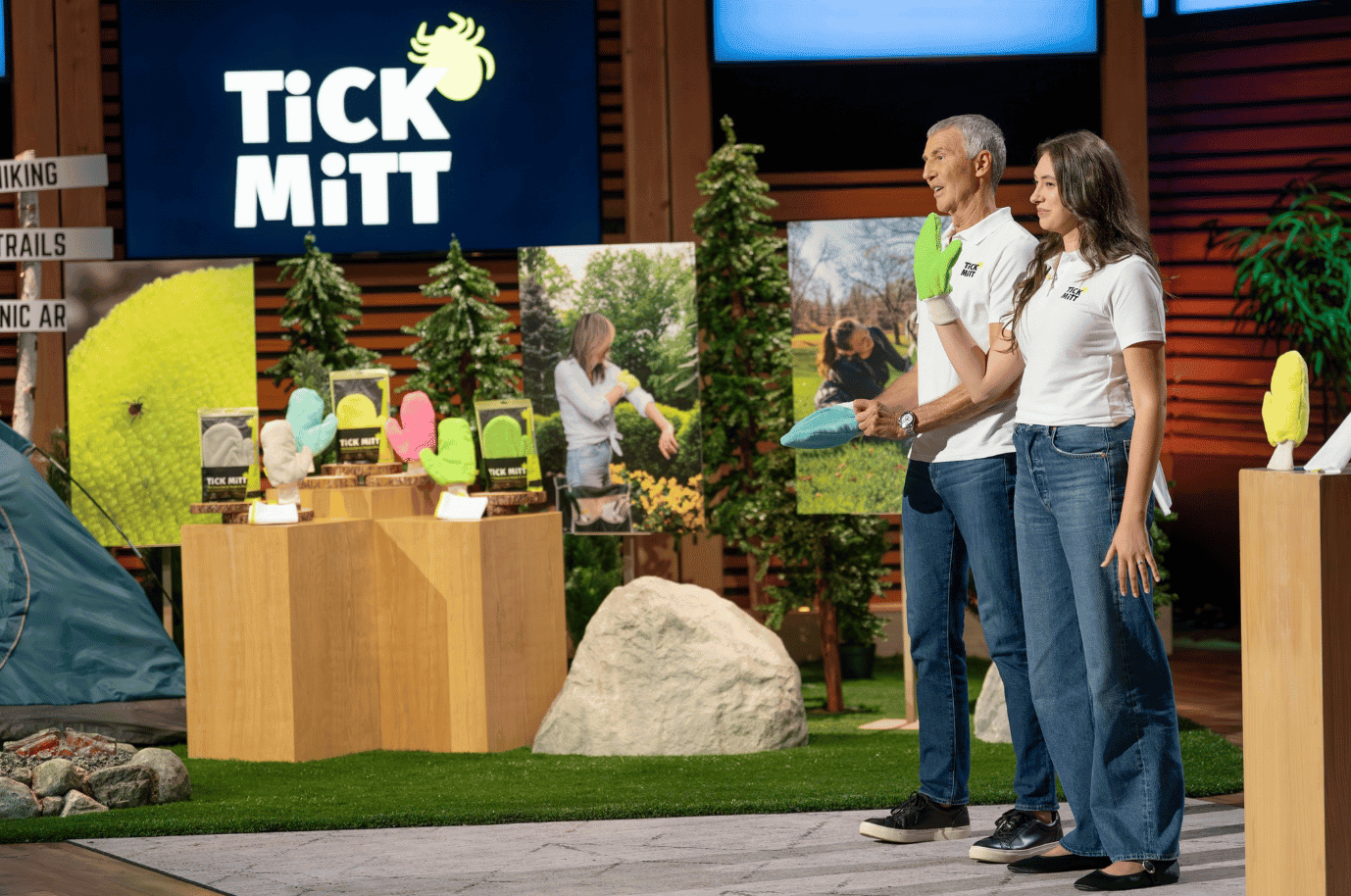
You appeared on Shark Tank but ultimately chose not to take the deal. What did that experience teach you about valuation, control, and knowing what kind of partner you actually want?
The biggest lesson was that finding the right investor is about timing as much as it is about terms. By the time we appeared on Shark Tank, we had grown enough that the valuations being offered in that room didn't reflect where we were headed — and more importantly, didn't reflect where we knew we could go. We had a much bigger view of what this company would become than what was being underwritten in that moment.
It's not about turning down a deal for the sake of it. It's about knowing your own trajectory well enough to recognize when an offer is priced for the company you are, not the company you're building. The right investor, at the right time, has to share that vision — not just write the check.
Would you recommend other pet founders go on Shark Tank? What type of founder benefits most from the exposure — and who probably shouldn't?
It depends entirely on where you are and what you actually need.
The exposure is real. We aired in 2025 and did more sales the month we aired than the entire year prior — that doesn't happen without the platform. If you have a product that needs awareness and you're at a stage where you can handle a surge in demand, Shark Tank can be a rocket ship.
But if you're pre-product-market fit, if your operations can't scale quickly, or if you're not prepared to negotiate in real time on national television, it can go sideways fast. The founders who benefit most are ones with a clear, demonstrable product, a compelling personal story, and the infrastructure to actually fulfill orders when the episode airs. The founders who probably shouldn't go are the ones who need the deal more than they need the attention — because the Sharks can smell that, and it puts you in a weak negotiating position before you've even started.
Go on when you're ready to walk away.
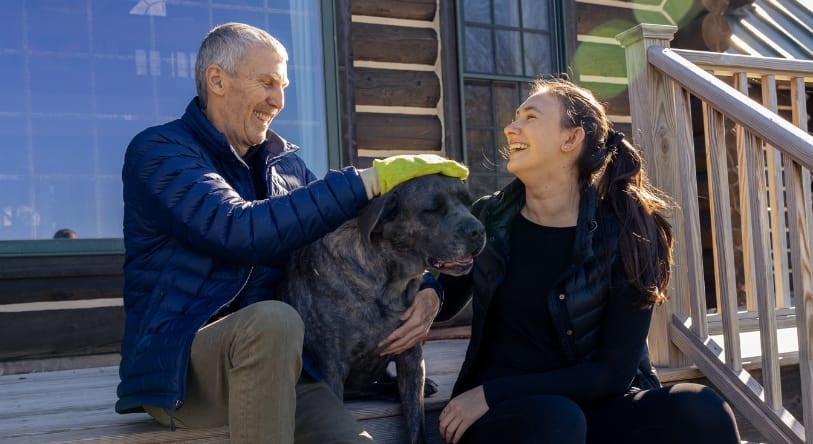
How did you initially approach manufacturing a product that didn't yet exist? What does the process actually look like when you need a factory to create something from scratch?
We really used our resources. We had a friend who owned a sock company and already had factory relationships in China. He connected us with a factory where we could prototype. That first relationship was everything. You can't just cold-email a factory and say "I have an idea for a fabric mitt that removes ticks" and expect anyone to take you seriously. Having a warm introduction to a manufacturer who was willing to work through early-stage product development with us was the foundation.
We prototyped through that factory, and we still work with them today. The honest answer to what the process looks like is: it's slow, it's iterative, and it requires a lot of trust on both sides. You're asking someone to build something that doesn't exist, which means there's no template, no reference product, and a lot of back-and-forth before you get it right. Working with a tick scientist and a product engineer from the beginning helped us speak the language of specs and requirements rather than just intentions.
Looking back, what decisions early on had an outsized impact on where the company is today — something that didn't feel huge at the time, but turned out to matter a lot?
Waiting to launch.
I developed TiCK MiTT as a college project and graduated in 2021, during COVID. The outdoor and pet industries were on the up, but I knew they would boom later. People were afraid to go outside. Retail was struggling. I could have launched then and probably gotten nowhere. Instead, I waited until March 2023 — intentionally, not out of fear. Strategic patience is not the same as being scared.
The other decision that compounded quietly was getting on the Project Lyme board. At the time, it felt like mission work — and it is — but it also built me a network of doctors, advocates, and researchers who genuinely believe in what we're doing and recommend our products. That's awareness that doesn't show up in a marketing budget. When your product is recommended by the medical community, the trust transfer is enormous. That flywheel — awareness leading to search leading to product discovery — started with a board seat.
You organize walks that bring together hundreds of pet parents around tick awareness. What motivated you to invest your efforts in something community-driven like that, and what did you learn from meeting customers face-to-face?
We've been hosting community walks around the country, and we recently posted about one that had a 500-person waiting list. That number stopped me in my tracks — because that's not just people who want the product, that's people who feel like this is their thing too.
We partner with brands like Brutus Bone Broth and Pride & Groom, and we work with animal shelters to bring the community together. It's not a TiCK MiTT sales event — it's a tick awareness event that TiCK MiTT happens to anchor. That distinction matters. What I've learned from being face-to-face with customers is that so many of them have a story. A kid who got Lyme. A dog that got sick. A diagnosis that took years. These people are not just buying a product — they're joining something. When you understand that, you stop thinking about marketing and start thinking about belonging. That's a different kind of brand.
TiCK MiTT recently expanded into major retail, including placement in more than 900 Petco stores nationwide. What changed operationally once you made the jump from direct-to-consumer into large brick-and-mortar distribution?
You're no longer optimizing for your ideal customer experience; you're optimizing for a retail ecosystem with its own rules. The learning curve is steep, and I won't pretend otherwise. But having that shelf presence changes how everyone — customers, investors, future retail partners — perceives the brand. It's a credibility signal that DTC alone can't give you.
You recently attended Global Pet Expo. How was your experience, and who are large industry conferences actually worth it for?
This was our third year exhibiting at Global Pet Expo, which already makes us something of a veteran in terms of knowing what we're walking into. This year we walked away with an award in Pet Tech for our upcoming at-home Lyme disease test, which was a meaningful moment — both for the product and for the credibility it signals to buyers and partners in the room.
Conferences like Global Pet Expo are worth it when you have something to show, someone specific you're trying to meet, or a milestone to anchor the trip around. If you're going just to "get a feel for the industry," you'll probably leave with a tote bag and a headache. But if you know your targets — the buyers, the press, the potential partners — and you have a product that can hold its own on a show floor, it's one of the few places where you can compress six months of relationship-building into three days.
As awareness around tick-borne illness continues to grow, where do you see the biggest opportunity to build a long-term brand — product expansion, education, partnerships, or something else entirely?
All of it, but in the right order.
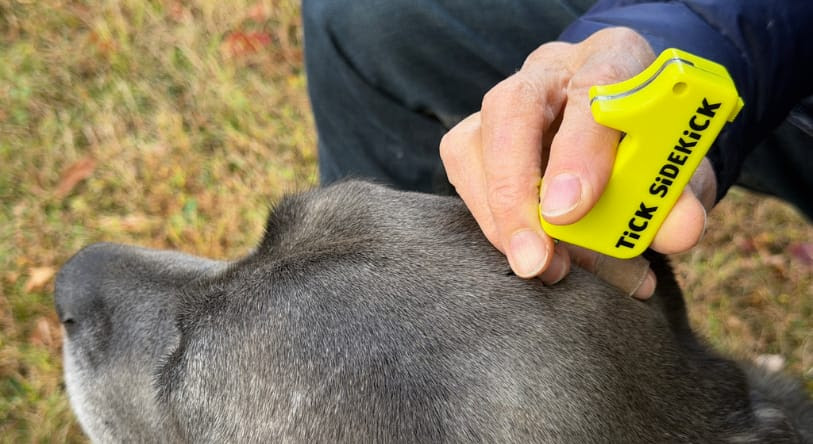
The product line is growing — we have TiCK MiTT, TiCK MiTT Kids, and TiCK SiDEKiCK already in market. The long-term vision is a 360 tick solutions company that eventually expands into mosquitoes, lice, and other bugs — a chemical-free, family-friendly lifestyle bug solutions company. Bug protection should be to this generation what sun protection became to the last one. That's the Supergoop model, and it's the frame I think about constantly.
But the deeper opportunity is education. Lyme is chronically underdiagnosed. Doctors don't always know enough. Blood tests are unreliable. Geography isn't always factored in.
My own diagnosis only happened because my dad mentioned upstate New York offhand to a doctor. That's the gap — and that's where a brand with real credibility in the tick-borne illness space can do something no pest control company ever could. When people trust you with the problem, they come to you for the solution. That's the long game.
Other Interviews
More conversations with founders, operators, and investors building the future of pet care.

Alexandru Bacita | Co-Founder & COO, The Cat Health Company
Cats are living longer, but the drugs for age-related disease have not kept pace. The Cat Health Company, a clinical-stage biotech, has three drugs in trials and 11 more preclinical candidates, and has out-licensed its first therapeutic. Co-founder and COO Alexandru Bacita explains why cats compress the drug-development loop, how the company targets muscle loss and kidney disease first, and why the route to longevity runs through veterinarians and pharma partners.
Elias Weiss Friedman | Founder, The Dogist Company
Elias Weiss Friedman spent a decade turning street photography into The Dogist, one of the largest dog-focused audiences online. Now he's testing whether that trust extends to physical products, starting with Vitality, a vet-formulated antioxidant chew built with Dr. Angela Rollins. He talks about the discipline of brand extension, the operational learning curve of a first physical product, and what a decade of stopping strangers on the street taught him about people, not just dogs.
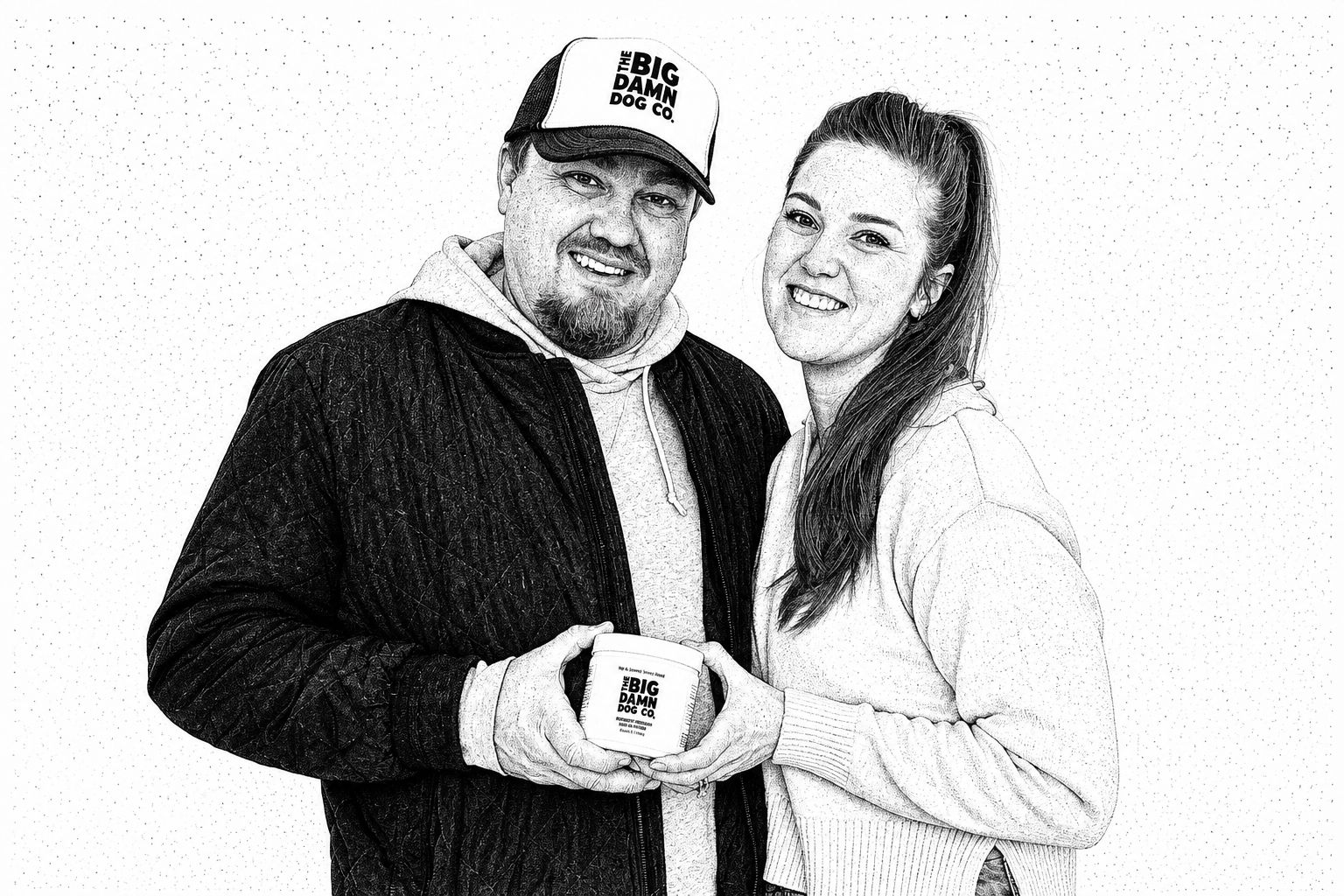
Sarah McLean | Co-Founder & CEO, Big Damn Dog Co.
A joint supplement label that stopped at 60 pounds sent Sarah McLean looking for a product that did not exist. Big Damn Dog Co. is the bootstrapped answer: giant-breed formulations, dosing built for 120-pound dogs, and a customer list the founders still call by phone. Six months after launch, its Gravy Blend already accounts for roughly 40% of joint supplement sales.