Lauren Ephrat | Founder, DOGISTRY
After 20+ years in wine and spirits, Lauren Ephrat built DOGISTRY into a design-forward dog accessories brand placed in Nordstrom and Chewy. She discusses surviving a painful rebrand from Doodle Couture, scaling roughly 5x in a year without outside capital, and why today's pet consumer shops through a lifestyle lens rather than a traditional pet retail one.
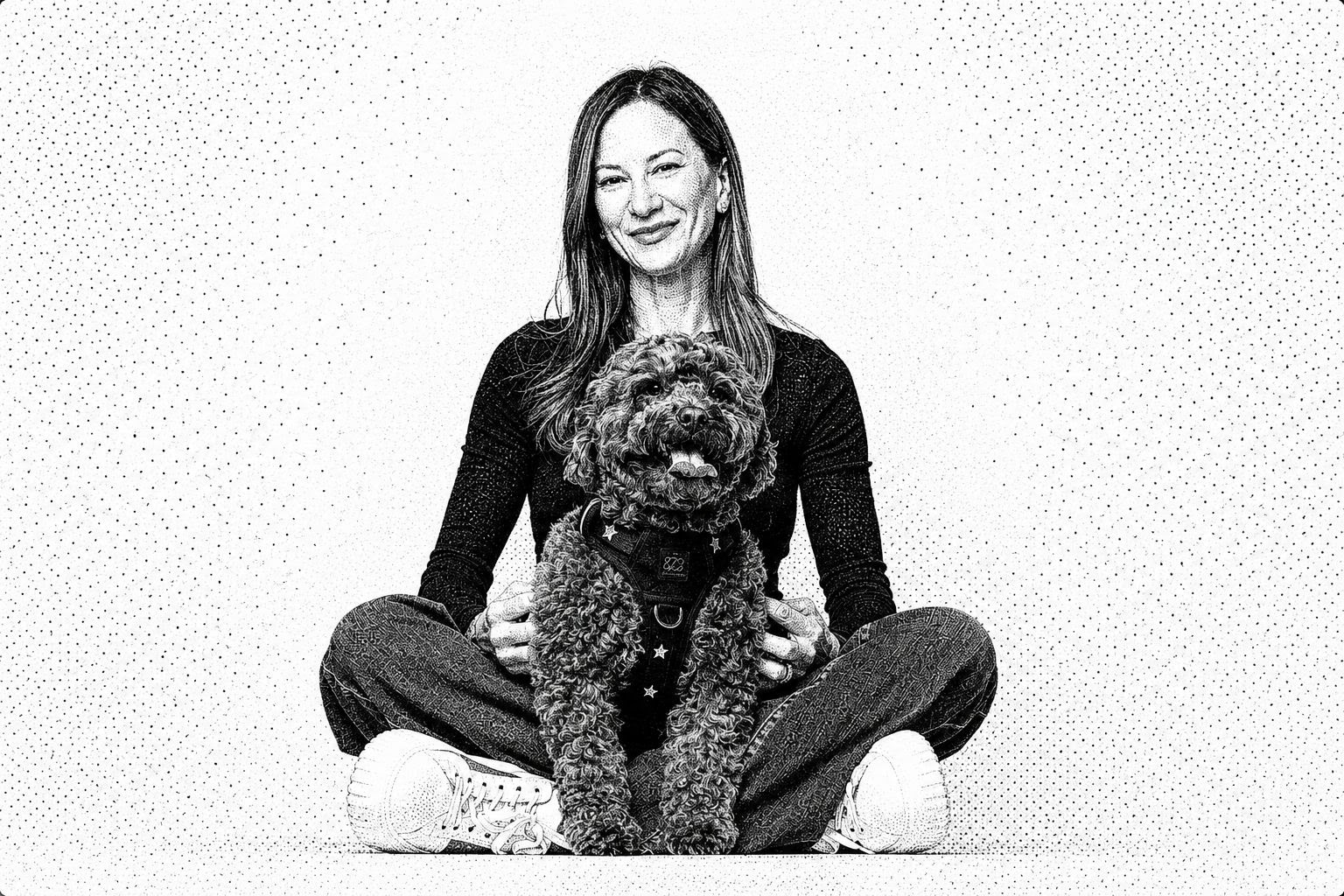
After spending more than 20 years in the wine and spirits industry, Lauren Ephrat entered the pet space during COVID with a simple observation: most dog accessories felt outdated, overdesigned, or disconnected from how modern consumers actually live. What started as Doodle Couture eventually evolved into DOGISTRY — a design-forward accessories brand built around the idea that products for dogs should feel as thoughtfully designed as the products people buy for themselves.
In this exciting new interview, she discusses surviving a painful rebrand, landing placements in Chewy and Nordstrom, scaling the business roughly 5x over the past year without outside capital, and why today's pet consumer increasingly shops through a lifestyle lens rather than a traditional pet retail one.
When you started shopping for your dog (Cooper), you felt that most of the accessories on the market looked disconnected from modern style. What did you think the pet industry misunderstood about the modern pet owner at the time?
I don't think the pet industry misunderstood consumers. I think many categories were built around assumptions that made sense for a different time, and many companies built incredible businesses serving those needs.
What was changing was the consumer. COVID accelerated pet ownership in a major way and deepened the emotional bond people have with their pets. For many people, pets became even more central to their families. As life opened back up, people were bringing their dogs everywhere with them, from hotels and restaurants to offices and travel. Suddenly, what those products looked like and how they showed up in daily life mattered a lot more.
At the same time, consumers were becoming far more design-conscious across every category they spent money in, whether it was fashion, beauty, home, travel, or wellness. Social media accelerated that shift by exposing people to highly curated lifestyles, and brands responded by investing far more heavily in design, branding, and overall customer experience. The pet industry was slower to evolve alongside that shift.
Those two shifts created a customer who expected more. They wanted better style, better quality, and more thoughtful functionality, especially in products they were using every single day.
You spent more than 20 years in the wine and spirits industry before starting Dogistry during COVID. What surprised you about the pet industry once you entered it?
Honestly, the biggest surprise was how kind and supportive the industry was. I came from the wine industry, which is also relationship-driven, but the pet industry felt uniquely warm. There's a shared love of animals that creates a very different kind of culture. Many of the people I met early on were incredibly generous with their time, advice, and introductions, even when I was completely new to the space. I'll never forget that.
I also gained a lot of respect very quickly for how operationally complex this industry is. On the surface, people may think it's just cute products and marketing, but there are real challenges around product safety, sourcing, retail distribution, and building products that pets actually use every single day. Consumers trust you with something they consider family, and that's a huge responsibility.
What surprised me most was that those two things exist at the same time. It's a very kind industry, but it's also far more sophisticated and competitive than many outsiders realize.
For the first four years, the company operated under the name Doodle Couture before it received a trademark cease-and-desist from another brand in New York. What was going through your mind when that happened? How difficult was the rebrand process emotionally and operationally, and why do you now describe it as one of the best things that ever happened to the business?
I have a pretty core belief that things tend to happen for a reason, even when they feel painful in the moment. At the time, it was incredibly difficult. Rebranding is expensive, distracting, and exhausting when you're a small business.
But if I'm being honest, I also knew the name had limitations. It was named after my dog, Cooper, who's a doodle, and "couture" was meant to reflect style and fashion. Over time, I realized it unintentionally boxed us in. "Doodle" was narrow and "couture" made the brand feel more niche and precious than what I ultimately wanted to build.
DOGISTRY gave us a name that better reflected what the business had already become. It stands for DOG + ARTISTRY and captures our belief that the products people buy for their dogs should feel as thoughtfully designed as the products they buy for themselves. It felt far more aligned with the long-term brand I wanted to build: thoughtfully designed products that fit naturally into people's lives. In hindsight, it was one of the best things that ever happened to the business because it forced me to build a brand that felt far more authentic to our long-term vision.
Who exactly is the Dogistry customer today? What does the real demographic and profile look like beyond just "dog moms"?
Our customer is much broader than a 'dog mom'.
Demographically, our core customer today tends to fall between 28 and 68, which is honestly a much wider range than I ever expected when I started the business. We see a lot of young families, professionals, empty nesters, and even many senior customers whose dogs are truly the center of their lives.
What connects them isn't age. It's how deeply integrated their dog is in their daily life, and the belief that nothing is too good for them.
A large portion of our customer base also lives in urban and suburban environments where dogs are part of everyday life, and you're constantly on the move. You're walking busy streets, traveling, going to outdoor meals, visiting friends, staying in hotels, and navigating environments where functionality really matters.
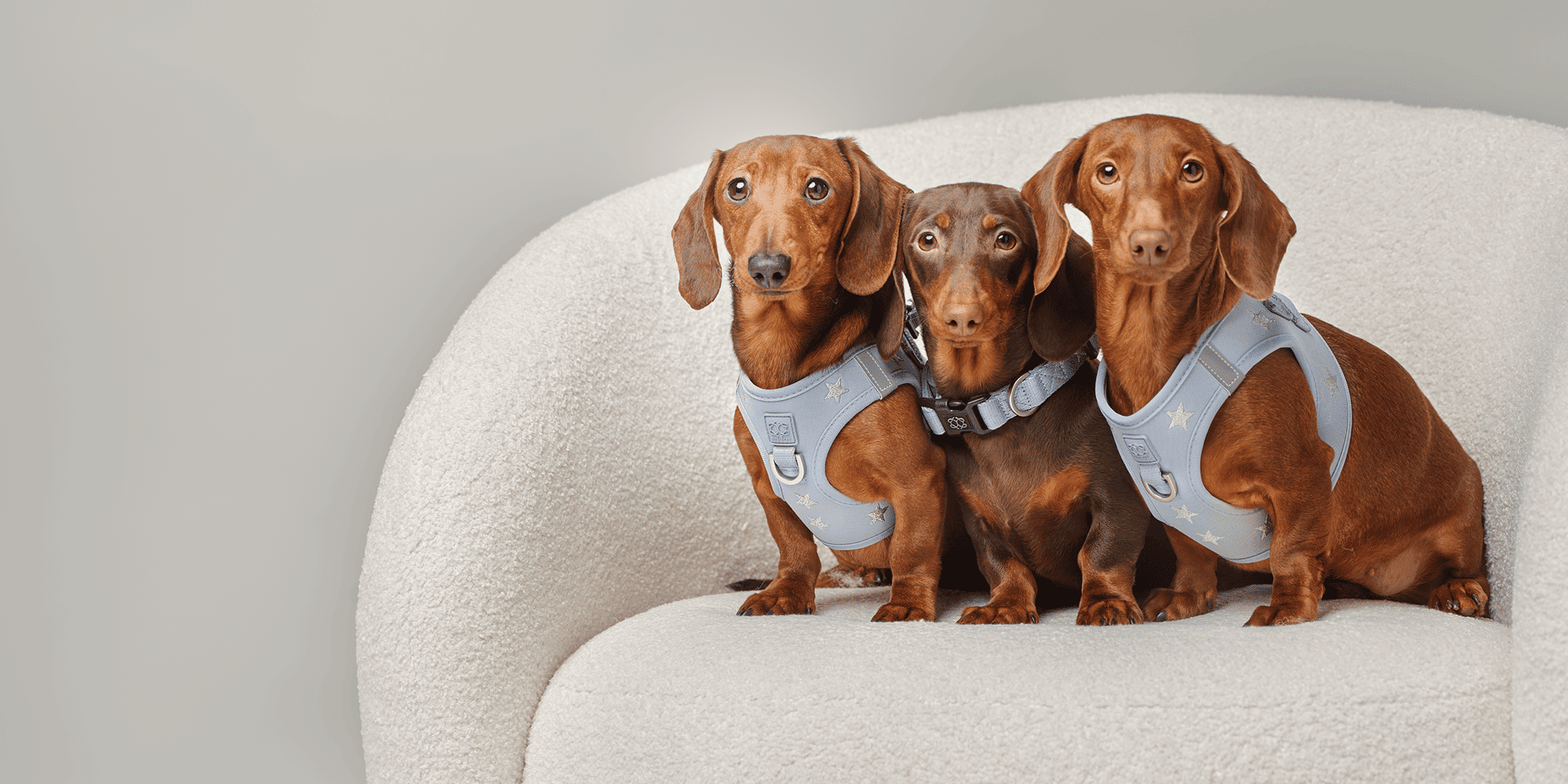
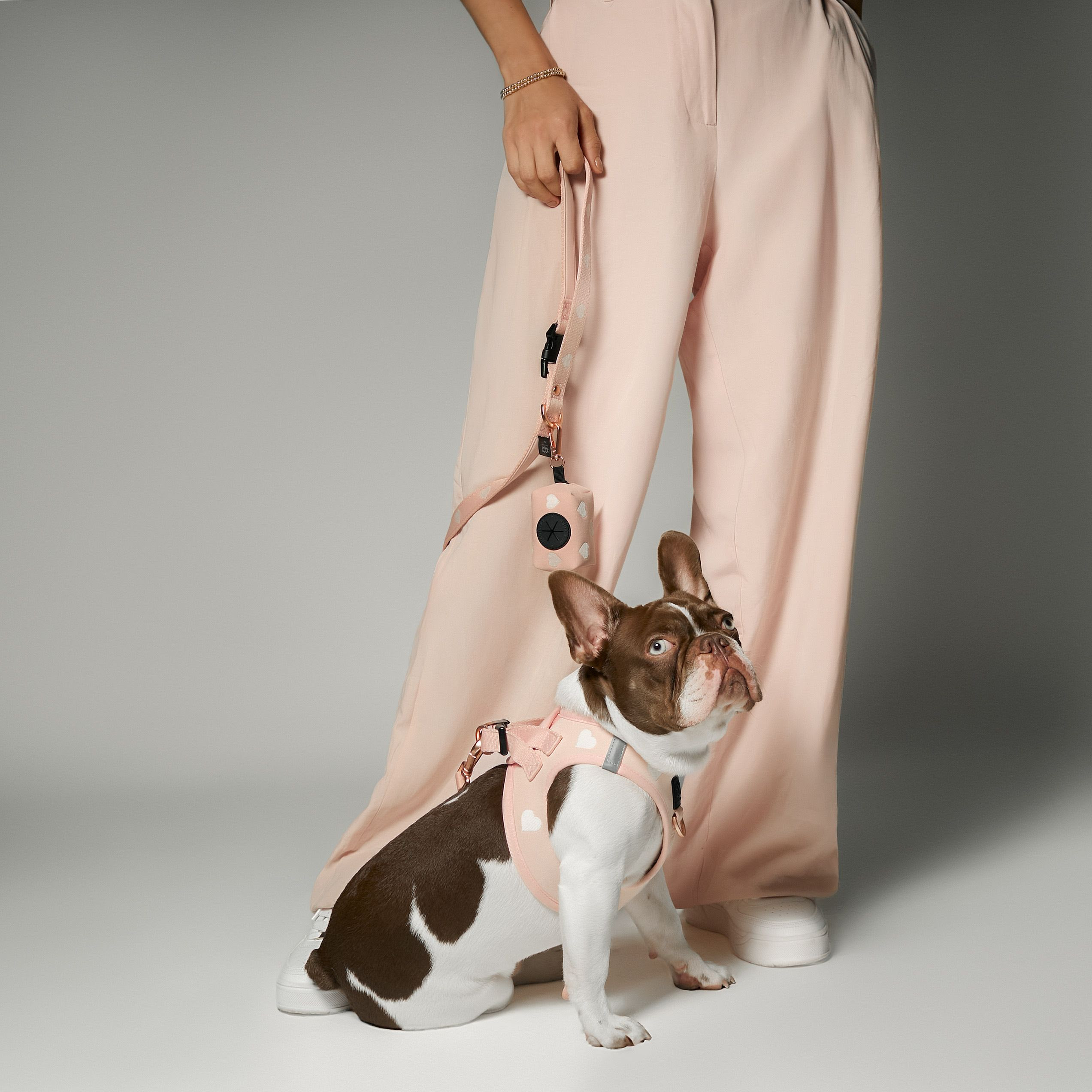
That's where our products resonate. We build thoughtful features people often don't realize they need until they use them, whether that's adjustable leash lengths, tethering clips on our leash handles, a touch of bungee, or details that simply make life with a dog easier. Once customers experience that convenience, they tend to stay with us.
We currently have a 29% repeat customer rate, which I'm very proud of, and we see customers come back to collect different colors and styles, almost like they would with accessories for themselves. At the end of the day, our customer is someone who sees their dog as part of their lifestyle, not separate from it.
You made a very intentional decision early on that you did not want Dogistry merchandised inside traditional pet retail because it didn't fit the brand experience you envisioned. Why was landing somewhere like Nordstrom so important strategically for the brand?
Early on, I was very intentional about where our target customer was already shopping and how they would first discover the brand. That wasn't because we didn't respect traditional pet retail. Quite honestly, I would have been thrilled by the opportunity to be chosen by any of the legacy retailers. But as a young brand, we had to be strategic about how we introduced ourselves to the market and where we told our story first.
The reality is that context matters. The way a product is merchandised influences how consumers perceive it. Being available on Nordstrom online is meaningful because it places us alongside fashion, beauty, and home brands our customer already shops, immediately positioning DOGISTRY through a broader lifestyle lens.
As we've grown, my perspective has expanded even more. There are incredible partners across pet retail, including platforms like Chewy that are changing how consumers shop for pet products. Our goal has never been to fit neatly into one channel. It's to build a brand that can meet customers where they already shop while staying very intentional about how we grow.
You mentioned the business has grown roughly 5x over the last year and that the SKU accelerator program helped clarify your vision and positioning. What specifically changed after that program — operationally, mentally, or strategically — that unlocked the next phase of growth?
The biggest shift was exposure. Before SKU, I was building in a bit of a vacuum and making a lot of decisions very instinctively. The program surrounded me with mentors and operators who had built far bigger businesses than I had, and they helped me see a much bigger opportunity than I had originally imagined for DOGISTRY.
One of the biggest strategic changes was getting much clearer on our brand voice, our story, and what we wanted to own in the market. We narrowed our product offerings and doubled down on what we do best instead of trying to be everything to everyone too early. That focus made a huge difference.
Operationally, it was also incredibly valuable because operations has never been my natural strength. I love product design, brand building, and marketing. The program exposed me to a level of operational discipline and structure that the business needed as we scaled, and it helped me build a stronger team around those areas.
We still haven't raised outside capital, which I'm very proud of, but we've built real structure, a stronger team, and products that customers genuinely love and come back for. That combination helped unlock our next phase of growth.
What are some important lessons you have learned about building and maintaining strong manufacturing relationships overseas over the last 6 years?
One of the biggest lessons I've learned is to move much slower than you think you need to. Early on, I was so excited and anxious to launch that I skipped parts of the sampling process because I wanted to move faster. It turned out to be one of the most expensive mistakes I've made to date.
Now I'm obsessive about samples. Get samples, then get more samples. Check everything. Never assume a factory fully understands your standards from a drawing or tech pack because a lot can get lost in translation, and small details become very expensive problems at scale.
I also strongly believe founders should have as much visibility into their supply chain as possible. We learned the hard way that relying too heavily on freight forwarders aligned with the factories for logistics can create unnecessary risk. Having your own trusted partner matters.
And if you find a manufacturing partner that truly values your business, supports your growth, and believes in what you're building, that relationship can become one of the biggest drivers of your success.
You mentioned upcoming partnerships with Chewy and described it as a major opportunity for distribution and brand exposure. What made Chewy the right fit for Dogistry?
For us, Chewy is a massive opportunity around scale, discovery, and accessibility. They've built enormous consumer trust, and their reach is hard to ignore. It creates meaningful exposure for DOGISTRY and introduces the brand to customers who may not have discovered us otherwise.
Chewy felt like a natural fit because they've built an incredible platform, and I think our products complement their assortment in the accessories space by offering customers another option that blends thoughtful design with real functionality. It feels like a strong partnership at the right time for both of us.
Dogistry has generated impressive PR placements and visibility, including Oprah and Vogue. How did you manage to break into that world early on?
A lot of it came down to relationships and being willing to put yourself out there. Early on, I built meaningful relationships through the rescue community and met some incredible people who helped put DOGISTRY on the radar of the right editors and media contacts.
With Oprah Daily's Pet O List, we shipped products for review just like many other brands do, and we were fortunate enough to be selected.
Our Vogue placements happened a bit differently. Their team began noticing that pet was increasingly becoming part of broader fashion and lifestyle conversations and reached out about featuring our products in that context. And honestly, seeing DOGISTRY in Vogue for the first time felt completely surreal, even though it was a small image tucked into an advertorial page. I remember looking at it and thinking, 'This is crazy.' It didn't feel real. I actually have the covers from those issues hanging above my desk as a reminder of what's possible.
At the end of the day, PR can open doors, but you still need products people genuinely love once they discover you.
One thing that all founders experience is the emotional volatility of entrepreneurship — customs issues, inventory problems, partnerships, setbacks, wins, losses — all happening at once. What has building this company taught you about resilience and handling uncertainty as a founder?
It's probably the biggest lesson I've learned, and honestly, it's something I try to teach my daughter all the time. It's not what happens to you, it's how you respond to it.
The hardest moment I've faced as a founder was rebranding the business from Doodle Couture to DOGISTRY. People often think a rebrand is just changing a logo or a website name, but it touches everything. Packaging, labels, inventory, photography, admin, creative assets, your website, customer communication. It was a massive operational and financial undertaking for a small business.
I had borrowed money to reproduce inventory with new labels and packaging, and there was significant financial pressure at the time. We had also spent years building strong organic traffic and domain authority under our original URL, so there were real concerns about disrupting that momentum. Despite all of that, our customers showed up for us in a huge way. The business is significantly stronger today than it was before the rebrand, and that's because of incredibly loyal customers, an amazing team, and people who believed in us when things felt very uncertain.
That experience reinforced something I've always believed. Everything really does happen for a reason. I could have let that moment defeat me, but I didn't give up, and in hindsight, it became one of the best things that ever happened to the company.
Other Interviews
More conversations with founders, operators, and investors building the future of pet care.
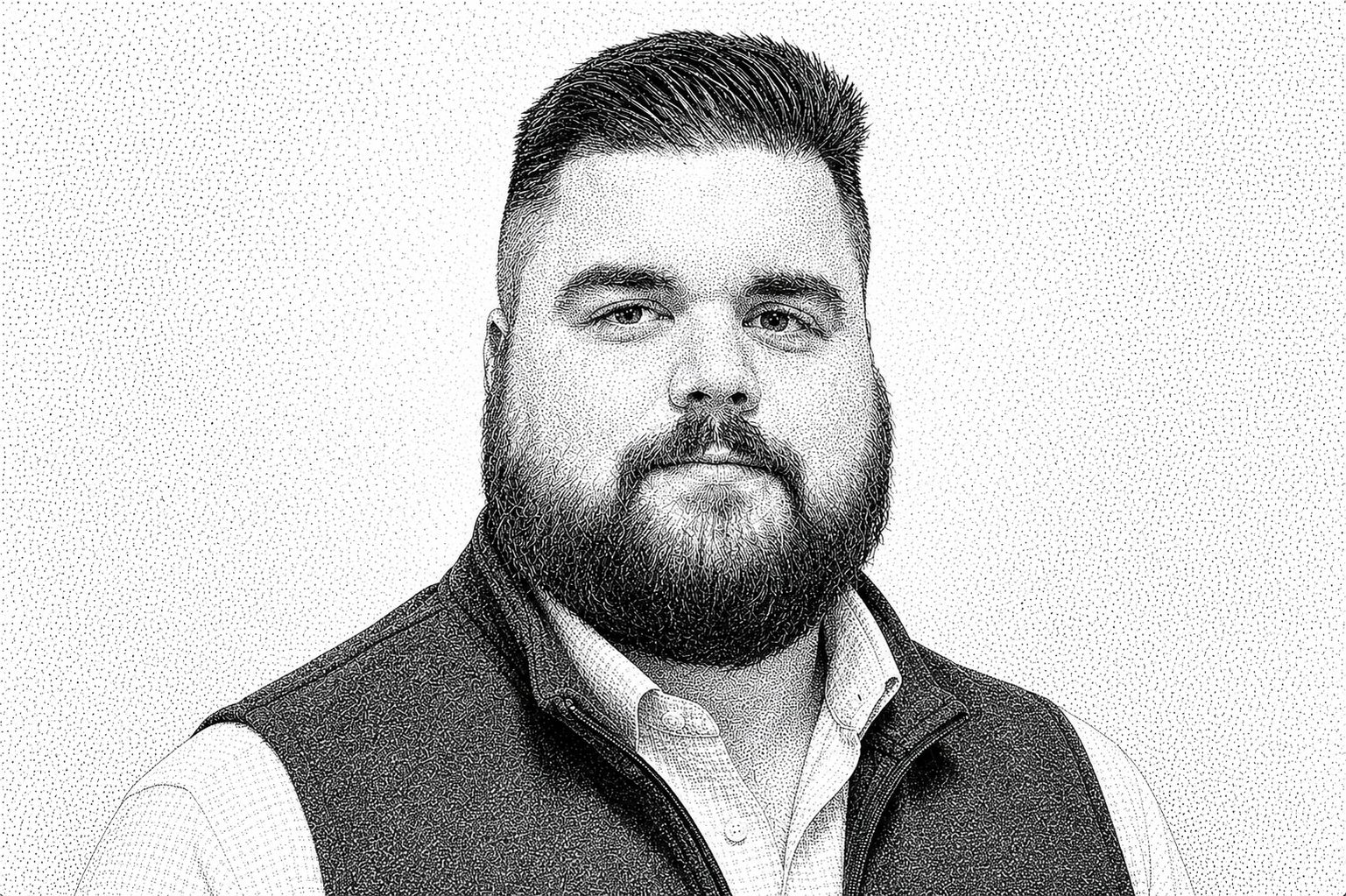
Joshua Fitzgerald | CEO, Zoomin Groomin
Joshua Fitzgerald lived Zoomin Groomin as a franchisee before running it. Now, past 300 mobile grooming vans, the CEO argues operational discipline beats flashy growth, walks through the metrics every franchisee should obsess over, and explains how the Loyalty Brands umbrella turns buying power and franchising experience into a competitive edge.
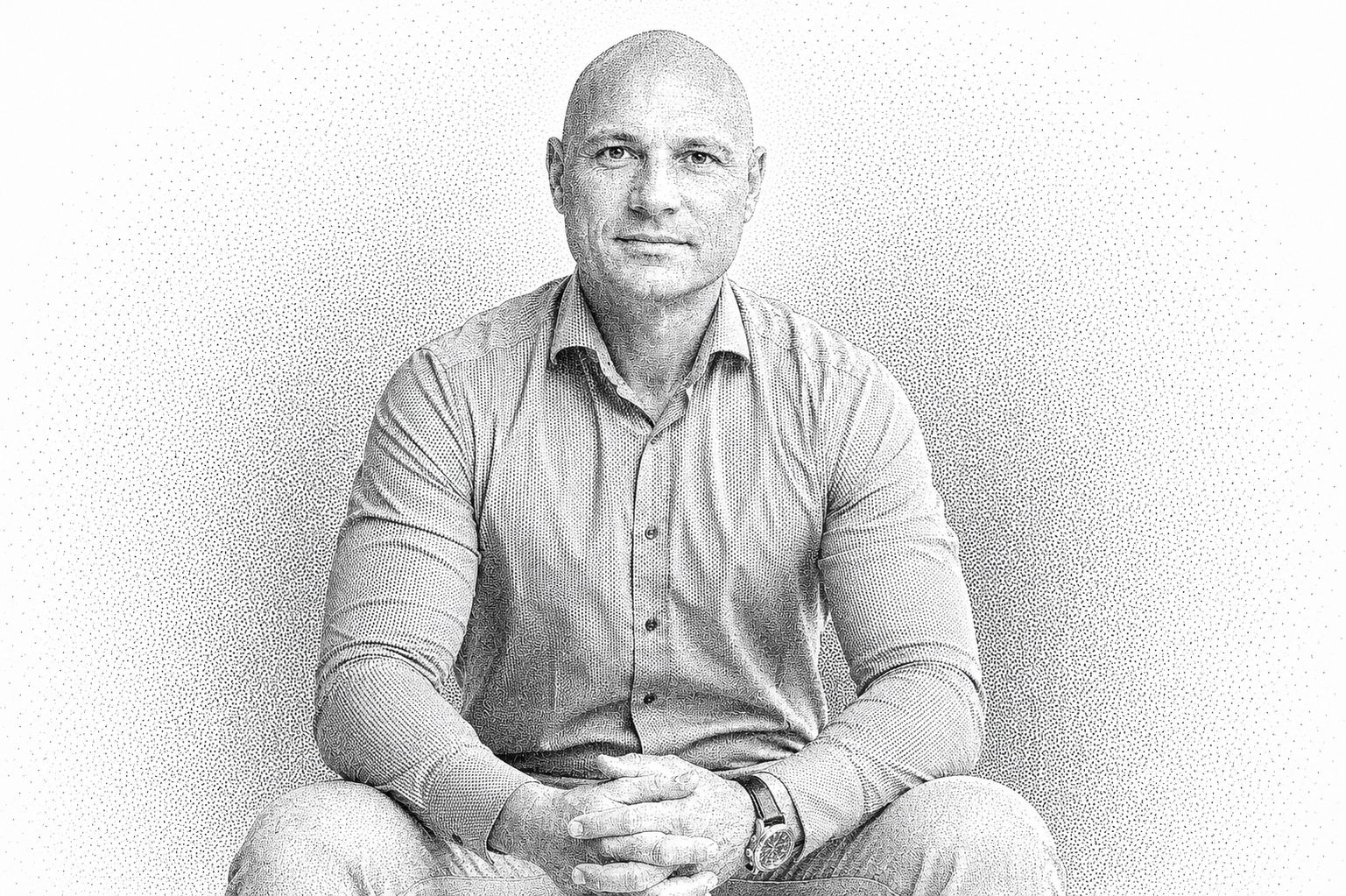
Ivan Zak | Co-Founder, Serenity Vet
After surviving burnout severe enough to nearly end his life, veterinarian Ivan Zak set out to fix the systems behind it. He bootstrapped SmartFlow and sold it to IDEXX, built the employee-owned group Galaxy Vets, and now co-leads Serenity Vet to tackle veterinary medicine's least-managed cost: labor. A candid conversation on burnout, ownership, private equity, and operational discipline.
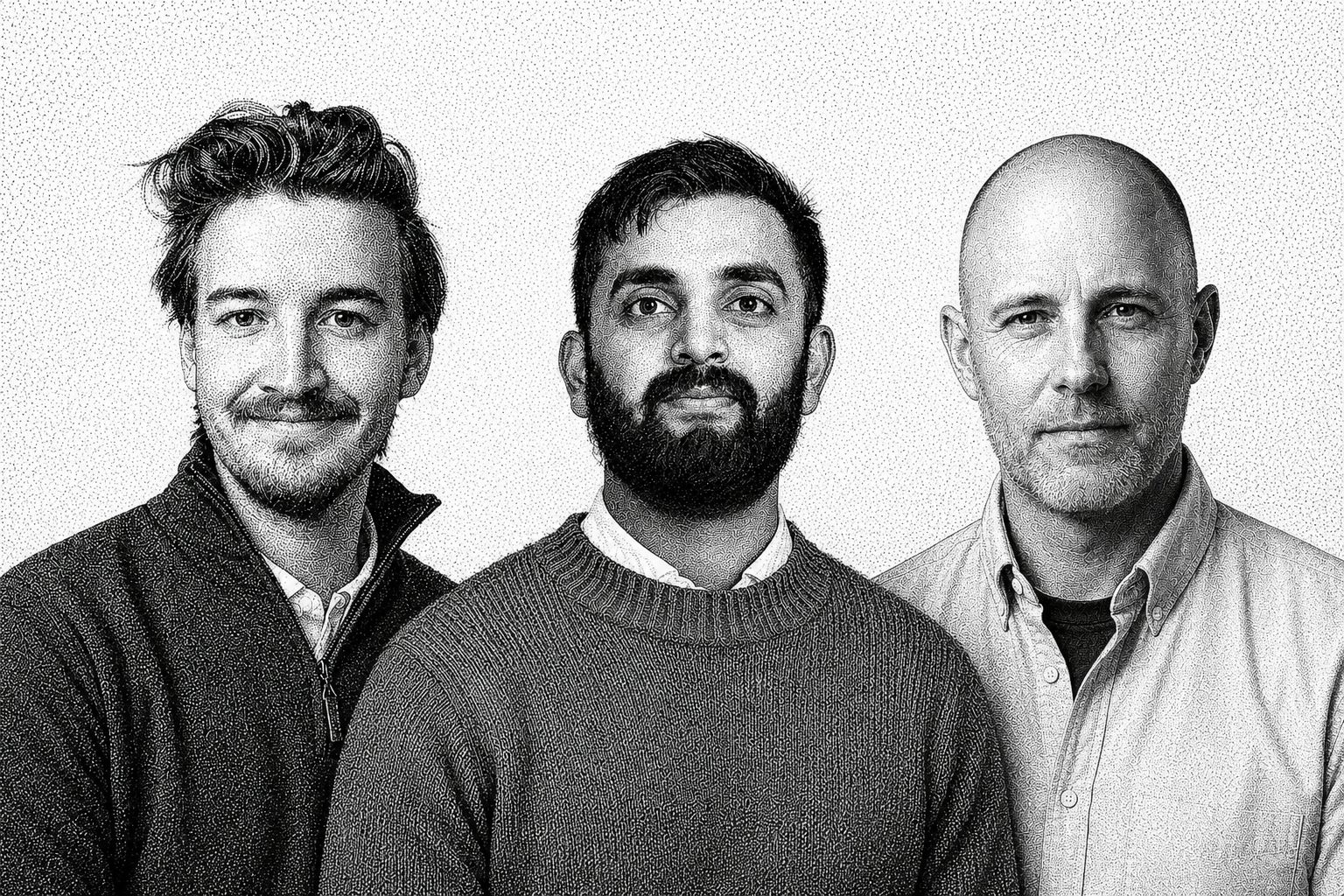
The New Frontier of Preventive Pet Care
Three founders building the early-detection layer of pet health sit down with The Underbite: Rhett Rumery of Tether (wearable pain monitoring for dogs), William von der Pahlem of DeepScan Diagnostics (cell-free DNA cancer screening), and Fayzan Chaudry of Everfur (metabolomics fur testing plus a pet health app). They explain why veterinary medicine stays reactive, how long disease hides before symptoms appear, and why continuous longitudinal monitoring could move pet-care spend earlier over the next decade.