
Will Lisman | CEO, The Honest Kitchen
Honest Kitchen CEO Will Lisman on scaling the original human-grade pet food brand, why Clusters is the first real trade-up from kibble, the cost reality of premium pet nutrition, manufacturing as a moat, and why he's building for 50 years — not for an exit.
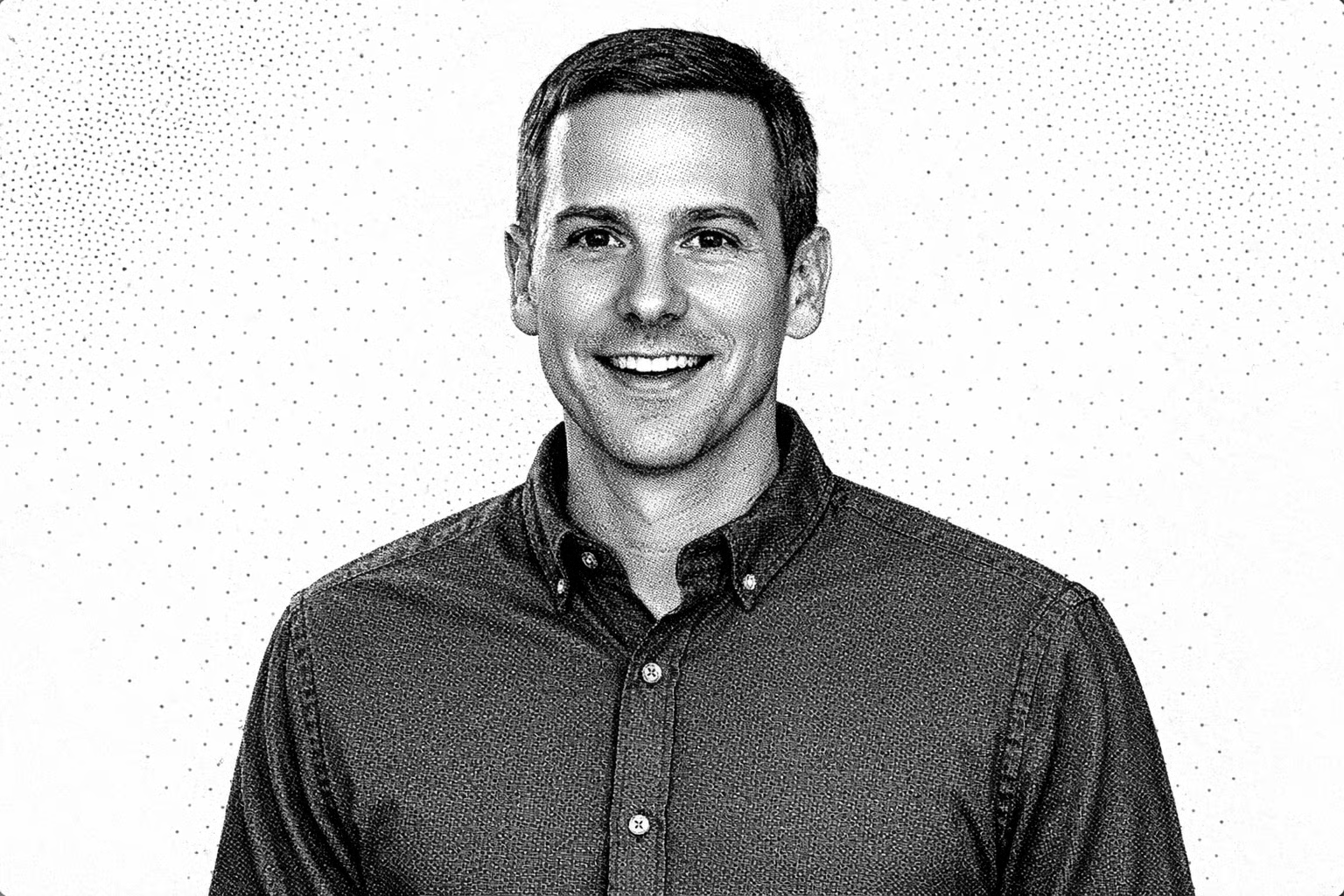
Will Lisman joined The Honest Kitchen as CEO in the fall of 2023 after nearly two decades in consumer products. Today, he is focused on scaling one of the original human-grade pet food brands amid an increasingly competitive category.
You joined The Honest Kitchen in 2023. What drew you to the company?
I've spent my entire career in consumer products, going on two decades now. Earlier in my career, I had exposure to the pet category as a management consultant working with private equity firms investing in high-growth pet food businesses like Wellness and Nature's Variety. After that, I spent about 15 years on the human side of food and beverage, including nearly a decade at Hershey and then HumanCo, a health and wellness platform company.
The Honest Kitchen was really compelling because it was already a strong business with a tremendous track record and a pioneering position in the category, but it was also at an inflection point. There was still a lot of untapped potential, and the business needed to professionalize in order to scale. That combination made it a very exciting opportunity.
How do you think about the evolution of the pet food category?
The category was originally built on conventional pet food — kibble and cans — with a focus on affordability and convenience.
Wave two was the rise of natural pet food. Think kibble and cans, but with cleaner, more natural ingredients.
We view human-grade as wave three. The premise is simple: we should be feeding our pets the same quality of food that we eat. That means sourcing human-grade ingredients and producing the food in human-grade facilities with much higher standards around safety, quality, and manufacturing protocols.
The human-grade category is gradually getting more crowded. How do you differentiate today?
When you peel back the onion in this category, a lot of products are actually very similar — different packaging, different branding, but similar formulations.
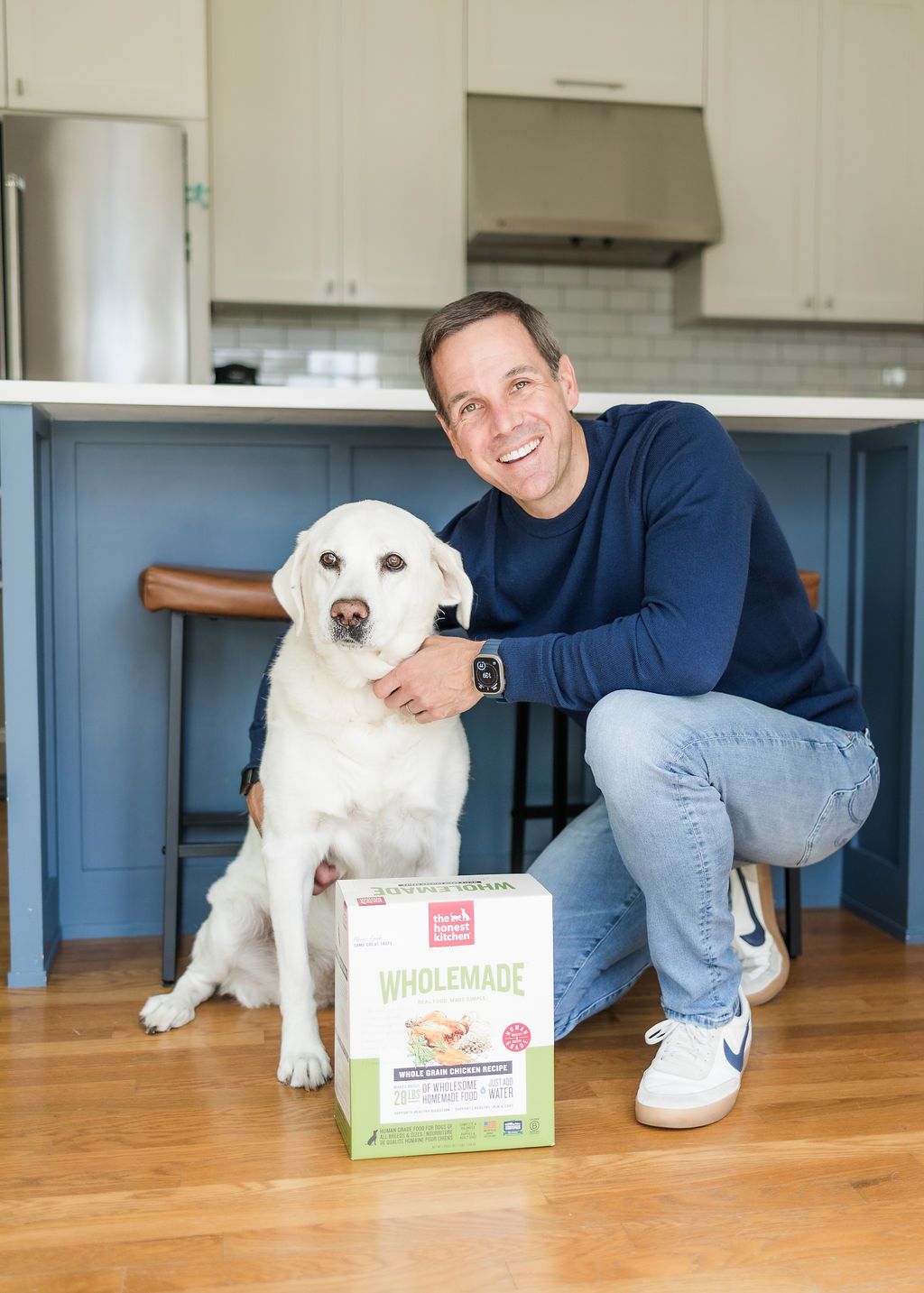
What we do is truly unique and different. Our legacy dehydrated product, which we recently rebranded as “homemade,” offers the same health benefits as fresh food but at a significantly lower cost and in a shelf-stable format that's more convenient for consumers.
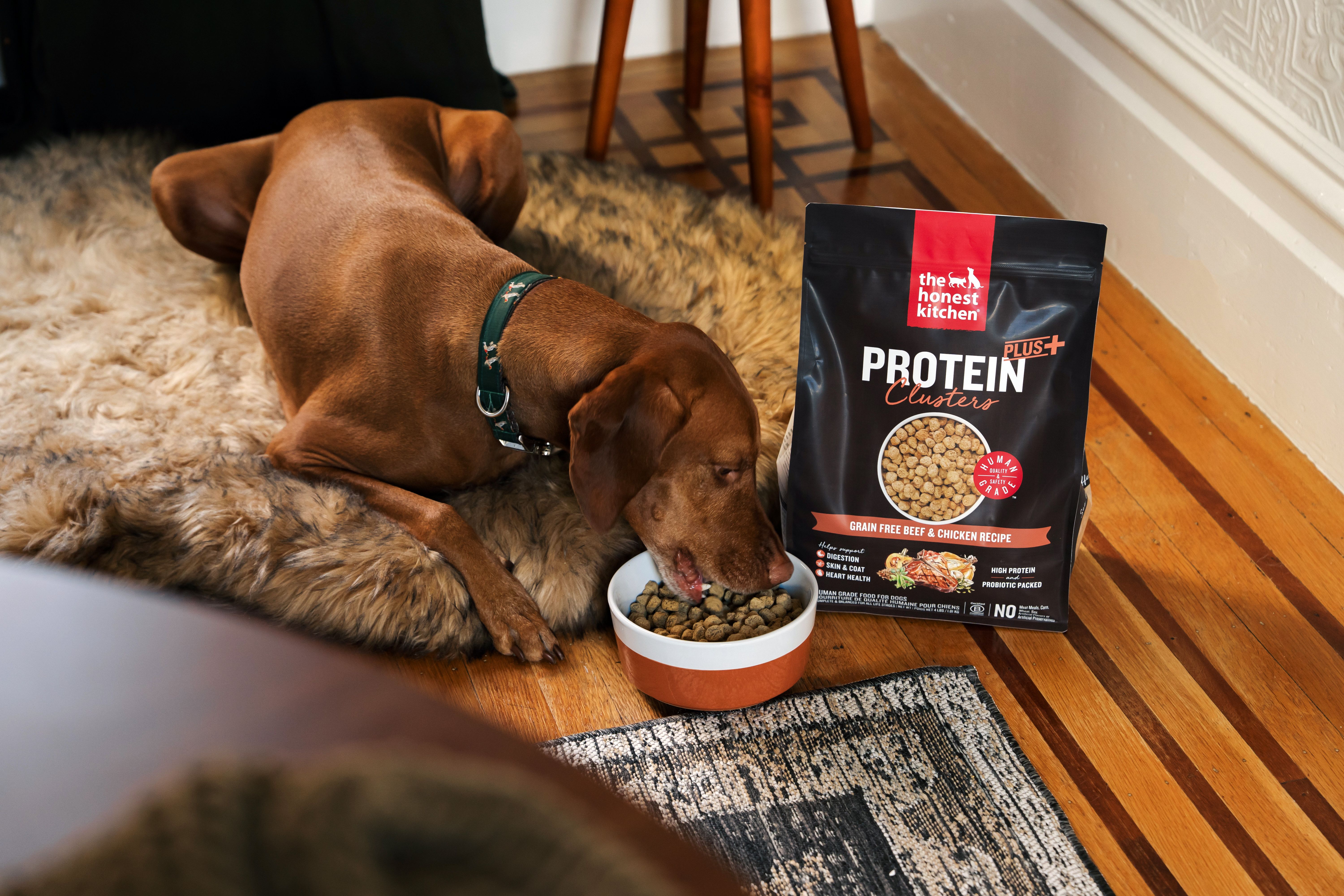
The other core pillar is our Clusters line, which is the first human-grade dry food. It's made with whole muscle meat, fresh fruits and vegetables, and produced using a very different process than traditional kibble. Instead of high-heat extrusion, we cold press, gently roast, and then gently dehydrate the food to preserve nutritional integrity.
Those two product lines represent roughly 80% of our business today.
With most pet parents still feeding dry food, where do you see the biggest opportunity to improve the format?
About 90% of pet parents still buy kibble today, so there is a large opportunity to offer better options within that format.
Clusters is really designed as a trade-up option for consumers who want to stay in dry food but want higher-quality ingredients and better nutrition.
We don't typically use the word kibble internally, but in the context of this conversation, it's a better-for-you kibble.
The ingredients are fundamentally different — real chicken breast, real fruits and vegetables — and the process is designed to protect the integrity of the nutrition rather than degrade it through high heat.
Price remains a major barrier for many consumers. Will human-grade ever reach cost parity with kibble?
You get what you pay for. It's not realistic to expect human-grade products to cost the same as traditional kibble, given the cost of ingredients and manufacturing scale.
That said, the cost difference is often smaller than people assume. Feeding our dehydrated recipes can cost roughly $3 per day for a medium-sized dog.
Fresh frozen products can cost anywhere from $10 to $15 per day, depending on the brand and formulation.
We provide many of the same nutritional benefits in a shelf-stable format at roughly a quarter to a third of the cost of fresh frozen.
How important is manufacturing innovation to your long-term strategy?
Manufacturing is a core part of what differentiates us.
For our Clusters product, we ultimately had to build a plant because nobody else was producing the product the way we wanted. It's a vertically integrated facility designed specifically around our process.
We also work with a network of manufacturing partners, many of which are human food manufacturers rather than traditional pet manufacturers. We like to say we are making human food that just happens to be for pets.
Cats are becoming increasingly more popular. How are you thinking about the cat category long term?
We do have a cat line today, and while it's still a relatively small part of the business, it's growing double digits even without significant investment behind it.
Cat, as a category, has outperformed dog in certain areas, and from a health and wellness perspective, it's relatively underdeveloped compared to dog.
We see an opportunity to help drive the same transformation in cat nutrition that we've seen in dog.
Everyone is experimenting with AI, but few are using it meaningfully. Where is it making a real difference for your team?
AI is a major focus for us. We've created an internal AI task force with representation across finance, accounting, marketing, sales, and supply chain.
On the commercial side, we're using AI for media targeting, creative development, and understanding how consumers search and evaluate products as search behavior becomes more AI-driven.
Operationally, we're using AI to optimize supply chain decisions, manufacturing performance, logistics, and demand planning.
We're still early in the journey, but we see AI as a foundational capability that will be critical to staying competitive.
As you invest more in marketing, how are you thinking about building awareness in a crowded category?
Awareness is still relatively low despite the strength of the brand.
We've more than doubled our marketing investment over the past year and a half, but we're still spending a fraction of what larger competitors spend.
That forces us to think creatively about how we break through the clutter.
The recent Westminster activation in New York was a good example. The campaign leaned into the idea that our dehydrated food may not look the prettiest, but the nutrition is incredibly strong. The premise was that the best isn't always the prettiest.
There's a lot of M&A activity in the category — Are you building with an exit in mind, or something more long-term?
My mandate is to build the best version of The Honest Kitchen possible.
We want to build a legacy business that is still here 20, 30, 40, 50 years from now.
We are focused on executing our strategy, expanding distribution, and continuing to innovate in ways that improve pet health.
We are always open to conversations if the right opportunity comes along, but right now our focus is on building a strong, sustainable business for the long term.
Other Interviews
More conversations with founders, operators, and investors building the future of pet care.

Sean Felty | Founder, Labor Lens
Sean Felty runs six pet care facilities and built Labor Lens, the labor management system he wished existed. He breaks down why labor is uniquely hard in pet care, how one facility cut payroll from 52% to 39.6% and saved $182,000, and why visibility — not micromanagement — is what changes manager behavior.
Olivia Abrams | Co-Founder & CEO, TiCK MiTT
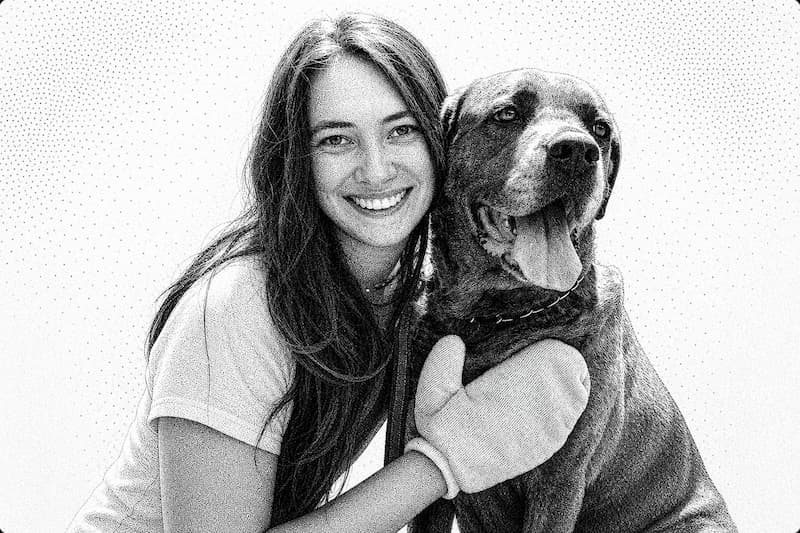
Olivia Abrams was seven when Lyme disease left her unable to walk and undiagnosed for months. Years later, the entrepreneurship student turned that lifelong problem into TiCK MiTT, a chemical-free fabric mitt now in 900+ Petco stores. She shares why she waited to launch, why she turned down a Shark Tank deal, and the long-term vision to make bug protection what sun protection became to the last generation.
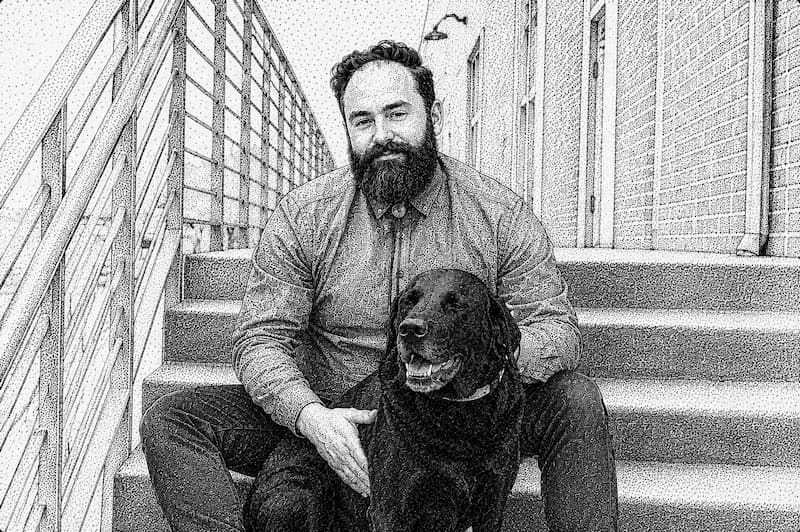
Ryan Erickson | Founder, Fetch Photo Truck
Ryan Erickson spent 15 years shooting weddings before launching Fetch Photo Truck, a mobile pet portrait studio that eliminates traditional studio overhead, captures dogs in the comfort of their own homes, and closes same-day artwork sales. The business grew 50% last year — and the unit economics explain why.