Central Garden & Pet Raises Guidance Despite an 8% Sales Drop
Central Garden & Pet's fiscal Q3 sales fell 8% as it exited a low-margin pet-distribution business, but organic sales grew and margins expanded across the board. The company raised its full-year profit guidance for the second time this fiscal year.

An 8% drop in quarterly sales usually reads as a warning sign.
For Central Garden & Pet, it arrived bundled with a raised full-year profit guide — the pet and garden conglomerate's second guidance increase this fiscal year, driven by margin gains that outran a shrinking top line.
Central Garden posts an 8% sales drop and raises guidance
Central Garden & Pet reported fiscal third-quarter net sales of $882 million, down 8% from a year earlier, in results released August 5th. Organic net sales, which strip out the pet-distribution business Central exited earlier this year through a Phillips-led joint venture, rose 2% to $862 million.
The Pet segment carried the headline decline. Reported Pet net sales fell 19% to $400 million, while organic Pet sales climbed 2% to $380 million — the gap is almost entirely the distribution business Central no longer owns. The Garden segment grew 3% to $482 million.
Profitability improved even as reported revenue fell. Gross margin expanded 130 basis points to 35.9%. Non-GAAP operating margin rose 90 basis points to 15.4%, and adjusted EBITDA margin reached 18.3%. GAAP diluted earnings per share came in at $1.45, down from $1.52 a year earlier; non-GAAP diluted EPS was $1.54, down from $1.56.
Nine-month net sales total $2.41 billion, down 1.8%, while nine-month organic sales are up 3.3% to $2.17 billion. CEO Niko Lahanas called it "continued strength with improvements in organic sales and margins," attributing the results to "sharp execution and favorable margins due to the pet distribution business exit."
The organic-growth math operators should watch instead
The headline number here is close to a decoy. An 8% sales decline sounds like Central Garden & Pet is losing ground, but the company sold off a low-margin, capital-intensive distribution business earlier this year, and that decision is doing exactly what it was designed to do: shed bulky, low-margin revenue while protecting the branded business underneath it.
Strip out the distribution exit and the picture flips. Organic sales — what Central actually still owns and sells — grew 2% in the Pet segment and 3.3% over nine months. Margins expanded across every measure the company reports. That combination, shrinking reported revenue paired with growing organic revenue and expanding margins, is the signature of a portfolio-pruning strategy working as designed, not a business in distress.
Back it out from Central's own disclosed growth rates and the scale of what got shed becomes visible. Pet segment sales reported $400 million this quarter, down 19% from an implied $494 million a year ago; the organic comparison implies a like-for-like base closer to $373 million. The roughly $121 million gap between those two prior-year figures approximates what the divested distribution business was generating in this segment alone a year ago — a number Central hasn't broken out directly.
For operators watching the vet-distribution consolidation wave, Central's move offers a data point on the other side of the trade. Owning distribution used to be table stakes for a pet conglomerate; Central just showed you can shed it and come out with better margins and a raised guide. The TRIXIE acquisition, reconfirmed in this release as a definitive agreement for an 80% stake at €340 million plus up to €60 million in earn-outs, cuts the opposite direction — Central is exiting low-margin US distribution while buying into European distribution at the same time, a bet that geography, not the distribution model itself, determines whether the business is worth owning.
The market reaction to watch is whether investors keep rewarding margin discipline over top-line growth. Central's own guidance suggests it's betting yes: raising full-year non-GAAP EPS guidance from $2.70-or-better to $2.85-or-better is the company telling Wall Street the trade is working.
What the TRIXIE close will test in 2027
The TRIXIE deal is expected to close in the first half of fiscal 2027, giving Central roughly nine months to prove that European distribution behaves differently than the US pet-distribution business it just exited. If the same margin pressure that pushed Central out of US pet distribution shows up in TRIXIE's numbers, the guidance raise investors are rewarding today gets harder to defend a year from now.
Nearer-term, watch fiscal fourth-quarter results for whether the organic-growth pattern holds. Nine-month organic sales are running at 3.3%, faster than the third quarter's 2% pace — if that decelerates further, the margin-over-revenue story loses some of its shine.
The comparison worth running is against the premium end of the same aisle. Freshpet grew net sales 15.5% over roughly the same three months, close to eight times the 2% organic growth Central's Pet segment managed. Central's branded pet portfolio sits in the mainstream middle of the category, and that gap is the clearest available measure of how much of the pet aisle's growth has concentrated at the fresh and premium end.
And with the stock now priced on a raised EPS guide, any sign that pet-category demand is softening broadly would test whether Central's margin gains can keep outrunning a shrinking top line, or whether they're a one-time function of the distribution sale.
Other News
More stories shaping the pet industry this week. From funding rounds and product launches to regulatory shifts and retail strategy, stay ahead of what's driving the market.
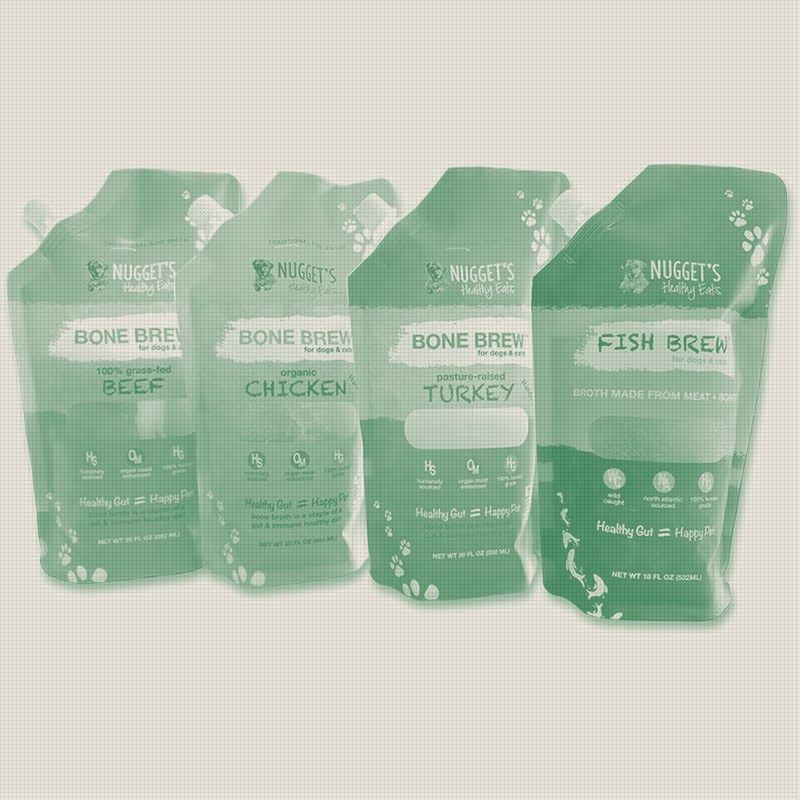
Tucker's Buys Nugget's Healthy Eats, Its Second Brand Absorption This Year
Tucker's Raw Frozen Food acquired bone-broth brand Nugget's Healthy Eats in April, retiring the name and folding its formulas into Tucker's own lineup. It's the second time this year Tucker's has absorbed rather than kept an acquired brand, and the rebranded line debuts this week at SuperZoo.
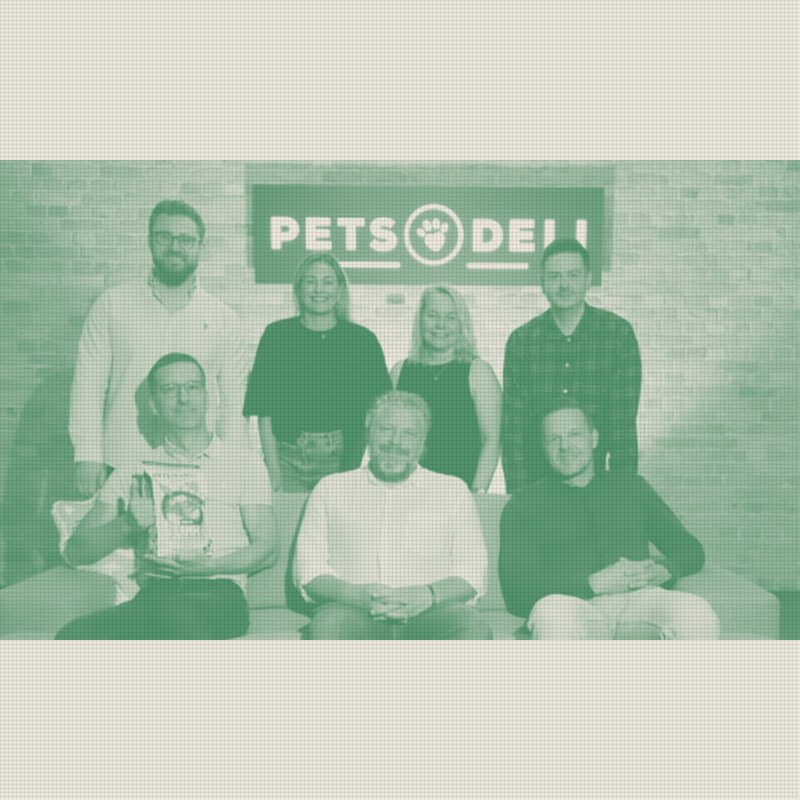
VAFO Acquires Pets Deli as Its Founder Returns to the CEO Seat
VAFO Group has acquired Berlin-based D2C pet food brand Pets Deli on undisclosed terms, with founder Tania Moser returning as CEO after more than a year as chairwoman. The deal is the second involving a German pet food company The Underbite has tracked in two weeks, and it fits a pattern of manufacturers buying direct customer relationships rather than building them.
Nine Pet Companies that Made the 2026 Inc. 5000
At least nine pet-industry companies, led by veterinary network Petfolk's 2,016% three-year growth, placed on the 2026 Inc. 5000 list of America's fastest-growing private companies. Their range, from consolidated veterinary care to doodle-breed grooming, maps where pet industry money is actually moving.