Central Garden & Pet's TRIXIE Deal Buys Its Way Into a Fragmented European Pet Market
Central Garden & Pet is taking majority ownership of TRIXIE Heimtierbedarf, the German manufacturer that calls itself Europe's leading pet supplies and snacks company. The deal, expected to close in the first half of Central's fiscal 2027, gives the $3.1 billion US pet care company a manufacturing and retail foothold in a fragmented European market it has largely watched from the sidelines.

Central Garden & Pet is acquiring a majority interest in TRIXIE Heimtierbedarf, the German manufacturer that calls itself Europe's leading pet supplies and pet snacks company. The deal hands a $3.1 billion US consumer goods player a direct foothold in a European specialty market it has mostly watched from outside, and it does so by buying control rather than building from scratch.
Central is taking majority control of a 600-employee German manufacturer while its founder keeps a minority stake
Central Garden & Pet, listed on Nasdaq as CENT and CENTA and based in Walnut Creek, California, will hold majority ownership of TRIXIE once the transaction closes. Founder Bonnik Hansen and fellow shareholders Dirk Jessen and Volker Haak retain minority stakes rather than exiting entirely. Neither company disclosed the purchase price, the size of the majority stake, or any revenue multiple attached to the deal.
TRIXIE was founded in 1974 in Tarp, Germany, and has grown into a supplier with roughly 600 employees serving more than 30,000 retailers internationally. The company sells over 6,000 products spanning most pet categories, with close to 90 percent of sales under its own brand rather than private label or licensed lines, and it launches around 500 new products a year. Central's fiscal 2025 net sales were $3.1 billion, and the company employs more than 6,000 people across North America.
Hansen framed the deal as a capstone rather than a sale, calling it "an important milestone in TRIXIE's 50-year history." Central Garden & Pet CEO Niko Lahanas said the addition "strengthens Central's position across key European markets." The companies expect the transaction to close in the first half of Central's fiscal 2027, pending regulatory approval, which puts the timeline somewhere between roughly October 2026 and March 2027.
The deal is a bet that scale beats fragmentation in European pet supplies before a private equity buyer or rival consolidator gets there first
Central's own materials peg the addressable European market TRIXIE gives it access to at roughly 10 billion euros, and the company frames the region's specialty pet channel as fragmented, which is another way of saying no single player has locked up distribution the way Chewy and the mass retailers have in the US. That fragmentation is exactly the condition private equity has been hunting in veterinary services and pet retail domestically for several years now, and it is starting to show up on the supplies and manufacturing side of the business in Europe too.
For Central, the logic is straightforward: TRIXIE already has relationships with more than 30,000 retailers, an in-house product development engine turning out 500 new SKUs a year, and 90 percent own-brand penetration, which means Central isn't just buying distribution, it's buying a manufacturing and innovation base it doesn't have to build. That's a materially different acquisition thesis than a pure roll-up, where the buyer mostly consolidates locations and cuts overlapping costs. Here, Central is paying for TRIXIE's product pipeline and retailer trust as much as its footprint.
The structure also matters. Letting Hansen and his co-shareholders retain a minority stake is a retention play as much as a financing one: family-founded manufacturers with five-decade histories tend to carry institutional knowledge in the founder's relationships with retail buyers, and an outright buyout risks losing exactly the goodwill that makes the company worth acquiring in the first place. It's the same logic that shows up in US veterinary roll-ups when a selling doctor stays on with equity rather than walking away at close.
The timing lines up with a broader pattern: US pet companies with strong balance sheets are increasingly looking abroad for growth as the domestic market matures and price competition intensifies at retail. A European deal of this size from a company Central's scale signals that management sees more room to run overseas than in a US pet aisle that has gotten more promotional and more competitive over the past two years.
Regulatory approval, integration execution, and how rivals respond are what determine whether this bet pays off
The deal isn't closed. Regulatory approval across whatever European jurisdictions TRIXIE operates in stands between announcement and completion, and a first-half-fiscal-2027 timeline gives both companies six to nine months to get there. Deals of this size involving a German manufacturer with pan-European retail relationships typically draw at least routine competition-authority review, even without an obvious antitrust flashpoint.
Once closed, integration will be the real test. Central has a track record of bolt-on acquisitions in North America, but folding a foreign manufacturer with its own product development culture, retailer relationships, and workforce into a US-headquartered public company's reporting and operating structure is a different exercise than domestic tuck-ins. How much operational autonomy TRIXIE keeps, and whether Hansen's continued involvement is enough to preserve the retailer relationships Central is paying for, will show up in future earnings commentary rather than in this announcement.
Watch for two things in the months ahead: whether other US pet suppliers or private equity firms respond with their own European acquisitions now that Central has signaled the region is investable at this scale, and how Central talks about TRIXIE's contribution when it reports fiscal 2027 results. A quiet integration with rising European revenue would validate the thesis. Any disclosed departure of Hansen or the retained shareholders, or delayed regulatory clearance, would be the early warning signs that the retention structure isn't holding.
Update, August 10: Central Garden & Pet reported fiscal third-quarter results on August 6, its first earnings call since the TRIXIE announcement. The company raised full-year guidance despite an 8% sales drop tied to exiting a separate, unrelated distribution business, a reminder that portfolio moves elsewhere in the company are reshaping the numbers before the TRIXIE deal has even closed.
Other News
More stories shaping the pet industry this week. From funding rounds and product launches to regulatory shifts and retail strategy, stay ahead of what's driving the market.
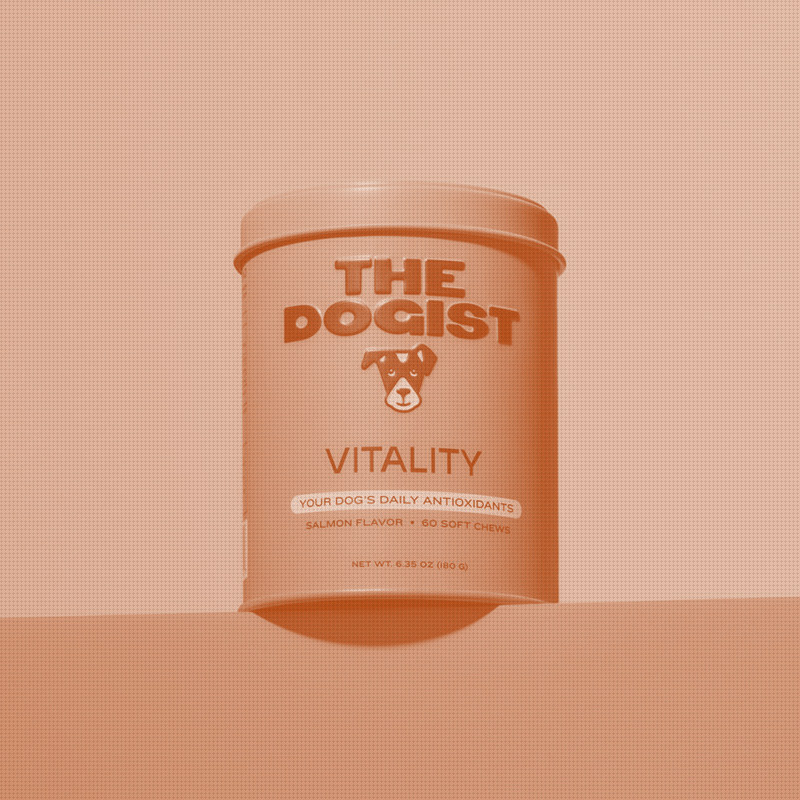
After 13 Years Photographing Dogs, The Dogist Launches Its First Product
Elias Weiss Friedman's picky-eater dog, Elsa, inspired his first product: Vitality, a $35 antioxidant chew developed with a board-certified veterinary nutritionist. Preorders open now ahead of a September 22nd release on The Dogist Company's site and TikTok Shop.
$250M Duffield Pledge Raises the Stakes on Vet Care Access
The Dave & Cheryl Duffield Foundation is committing $250 million over five years to expand nonprofit veterinary care, an initiative it calls the Duffield Big Bet for Pets. The pledge follows PetSmart Charities' $100 million commitment in 2023, pushing dedicated access-to-care philanthropy past $350 million in three years. For operators, the money increasingly funds nonprofit clinic capacity, not just family subsidies.
Loyal's Third Longevity Drug Clears the FDA's First Efficacy Bar
Loyal's LOY-003, a large-breed longevity drug targeting the growth hormone/IGF-1 pathway, has cleared the FDA's Reasonable Expectation of Effectiveness bar, the company's third such acceptance. The milestone de-risks Loyal's broader platform even as its furthest-along drug, LOY-002, still awaits a manufacturing review before conditional approval.